
Your cart is currently empty!
100% Secure Delivery Without Contacting The Courier
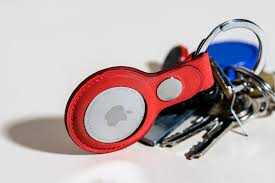
Apple’s second-generation AirTag (2026) doesn’t try to reinvent the wheel, and that’s precisely why it works. At a glance, it looks nearly identical to the original AirTag launched almost five years ago. The same coin-like shape, stainless steel back, and minimalist aesthetic remain intact. But beneath that unchanged exterior, Apple has quietly delivered meaningful upgrades that make its Bluetooth tracker significantly more useful in everyday life.
Best of all, Apple has kept the price unchanged at $29, making this a rare case of improved hardware without a cost increase.
What’s New Under the Hood
The headline upgrade is the inclusion of a second-generation ultra-wideband (UWB) chip, which dramatically improves Precise Finding. Apple claims up to a 50 percent increase in tracking range, and real-world testing suggests that estimate may actually be conservative. With an iPhone 15 or newer, the new AirTag reliably guides users from around 80 feet away, compared to just 30–40 feet on the original model.
This improvement makes Precision Finding genuinely practical, even in busy indoor environments. The tracker also connects faster and responds more smoothly to movement and sudden direction changes, thanks to the upgraded UWB hardware. Louder, Clearer Alerts
Apple has also reworked the AirTag’s internal speaker. The company says it’s now 50 percent louder, but more importantly, it uses a higher-pitched chime that cuts through background noise far more effectively. In testing, the new AirTag was clearly audible from across a gym locker room, even while inside a locker and with music playing nearby, something the original struggled to do unless you were standing right next to it.
This makes a big difference when you’re urgently trying to locate misplaced keys, a bag, or a wallet.
Same Design, Same Frustrations
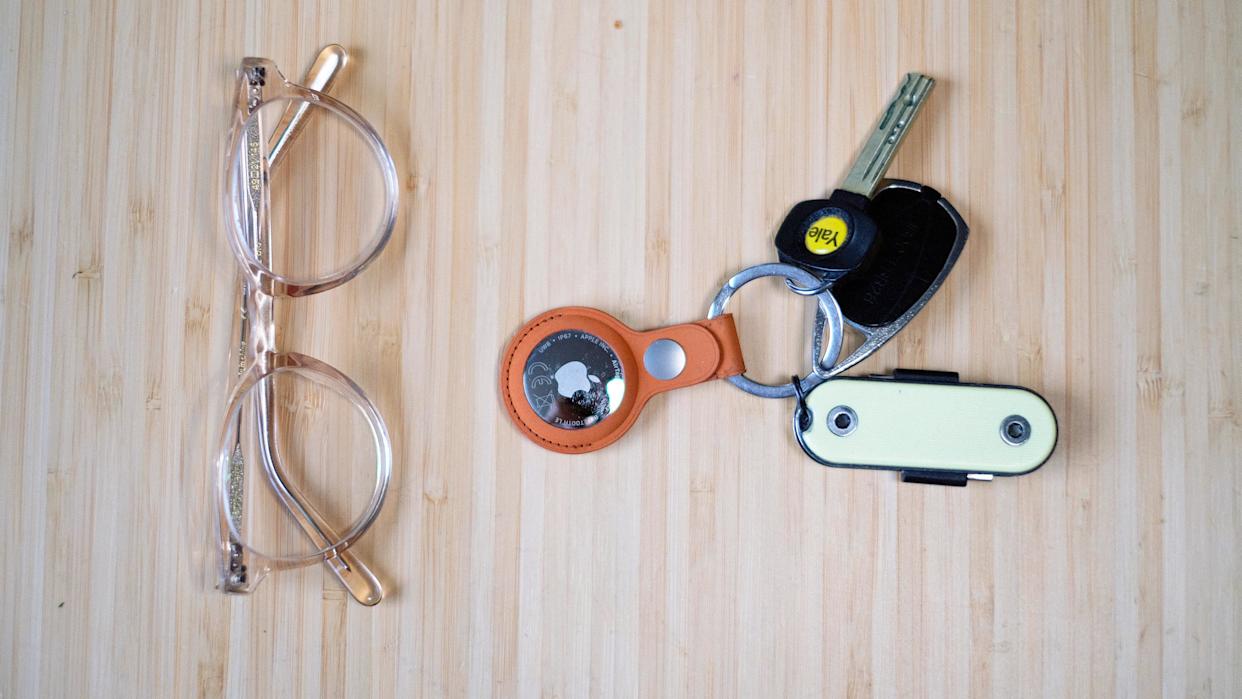
Physically, the AirTag hasn’t changed much. And that includes its shortcomings. There’s still no built-in keyring hole, meaning you’ll need an accessory to attach it to your belongings. Apple’s own accessories remain expensive, often costing more than the AirTag itself. That said, third-party options from brands like Belkin and Mophie are now widely available and far more reasonably priced, typically around $15.
The casing is now made with 85 percent recycled plastic, and the replaceable battery design remains secure and easy to access.
Expanded Find My and Apple Watch Support
The AirTag continues to shine thanks to Apple’s vast Find My network, which now spans well over a billion devices worldwide. This massive ecosystem delivers more reliable tracking than Bluetooth or GPS alone.
Newer Apple Watch models, including the Series 9, Ultra 2, and newer, now support Precision Finding for AirTags. Once enabled through the Control Center, the experience closely mirrors what you get on an iPhone.
Apple has also added useful software upgrades over time. Features like Family Sharing (iOS 17) and Share Item Location (iOS 18.2) allow users to share AirTag locations with trusted contacts or even third parties like airlines.
Improved Safety and Smarter Alerts
Safety has also improved. Unknown tracker alerts now work on Android devices without requiring an app, and AirTags separated from their owners will emit sounds sooner. Now, randomly between 8 and 24 hours, instead of the original three-day delay.
Should You Upgrade?
If you already use an AirTag daily, the second-generation model is a worthwhile upgrade. The improved range, louder speaker, and faster responsiveness make it far more dependable. Repurposing an older AirTag for luggage or less critical items also makes sense.
Apple hasn’t changed what makes the AirTag great. But it’s simply made it better. And at the same price, that’s an easy recommendation.
Categories: Gadgets
Related Posts :-
-
Facebook Introduces AI Writing Tools and Animated Profile Photos to Refresh the Social Experience
Facebook is rolling out a fresh set of features powered…
-
LG Boosts Dolby Vision Brightness on Flagship OLED TVs With Free Firmware Upgrade
LG has rolled out a free firmware update for its…
-
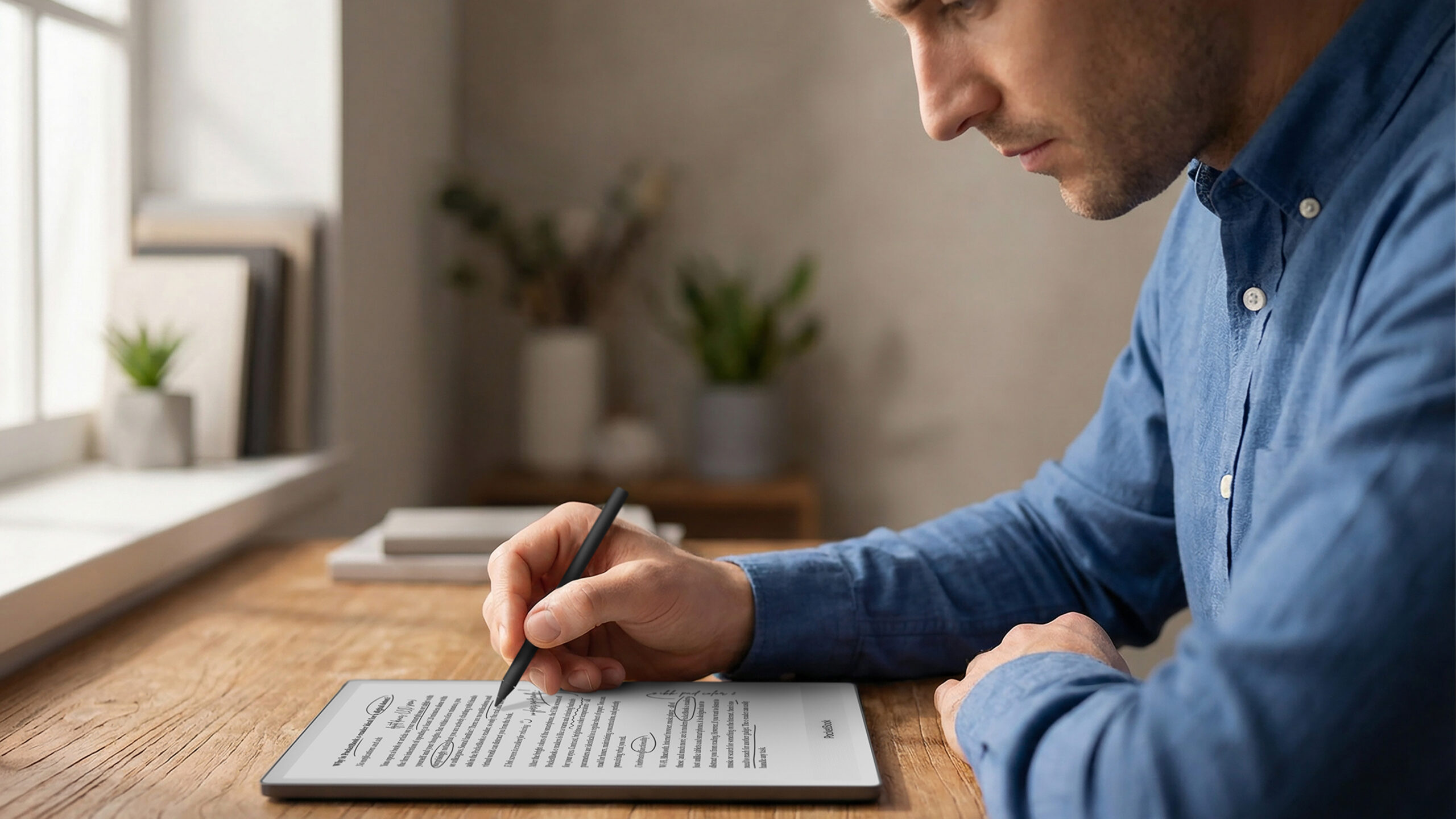
PocketBook’s InkPad One Challenges Kindle Scribe With Open Linux Platform and Note-Taking Power
PocketBook has unveiled the InkPad One, a new Linux-powered e-reader…
Leave a Reply