
Your cart is currently empty!
100% Secure Delivery Without Contacting The Courier

PocketBook has unveiled the InkPad One, a new Linux-powered e-reader designed to compete directly with Amazon’s Kindle Scribe in the growing large-screen e-ink market. With a focus on openness, note-taking capabilities, and broad file compatibility, the InkPad One positions itself as an appealing alternative for users who want flexibility beyond Amazon’s tightly controlled ecosystem.
As demand rises for distraction-free reading and digital handwriting devices, the InkPad One enters the scene, aiming to blend productivity and portability in a single device.
A Large E-Ink Display Built for Reading and Writing
At the heart of the InkPad One is a spacious 10-inch E Ink display, offering a paper-like reading experience with reduced eye strain. The screen is designed to support both extended reading sessions and handwritten notes, placing it in direct competition with the Kindle Scribe’s large-format display.
The device includes adjustable front lighting for comfortable use in varying environments, from bright daylight to dim indoor settings. With its glare-free surface and sharp text rendering, the InkPad One caters to readers who prefer a more traditional book-like experience.
Unlike smaller e-readers that focus purely on reading, the InkPad One’s size makes it well-suited for annotating PDFs, reviewing documents, and taking margin notes, a growing use case among students and professionals.
Linux-Powered Flexibility
One of the InkPad One’s standout features is its Linux-based operating system, which offers greater flexibility compared to Amazon’s proprietary Kindle software. While Kindle devices are deeply integrated with Amazon’s ecosystem, the InkPad One supports a wide variety of open file formats without requiring conversion.
Supported formats include:
- EPUB
- MOBI
- TXT
- DOC and DOCX
This broad compatibility allows users to sideload content easily and manage their digital libraries without being locked into a single marketplace.
The Linux Foundation may also appeal to tech-savvy users who value transparency and potential customization, even if most consumers will simply benefit from the smoother file handling.
Note-Taking and Productivity Tools
Like the Kindle Scribe, the InkPad One includes stylus support for handwriting and annotation. Users can mark up PDFs, jot down ideas, and create standalone notebooks directly on the device.
The note-taking experience is designed to feel responsive, with low-latency ink simulation that mimics writing on paper. For professionals reviewing contracts or students annotating lecture notes, this functionality transforms the device from a simple reader into a productivity tool.
Cloud synchronization options allow users to transfer notes and documents between devices, expanding usability beyond the e-reader itself.
Design and Battery Performance
The InkPad One features a slim, minimalist design consistent with modern e-readers. Its lightweight construction makes it easy to hold during long reading sessions, despite the larger display size.
Battery life remains one of the core strengths of e-ink technology. Like its competitors, the InkPad One is expected to last weeks on a single charge, depending on usage patterns such as lighting and Wi-Fi connectivity.
A Growing Market for Large E-Readers
Amazon’s Kindle Scribe helped push large-screen e-readers into the mainstream, but competition is intensifying. Devices like the InkPad One signal a shift toward more open platforms that combine reading, note-taking, and document management.
For users who want the functionality of the Kindle Scribe without committing to Amazon’s ecosystem, the InkPad One offers a compelling alternative. Its Linux foundation, broad format support, and productivity features make it a serious contender in the expanding digital paper category.
Categories: Gadgets
Related Posts :-
-

Facebook Introduces AI Writing Tools and Animated Profile Photos to Refresh the Social Experience
Facebook is rolling out a fresh set of features powered…
-
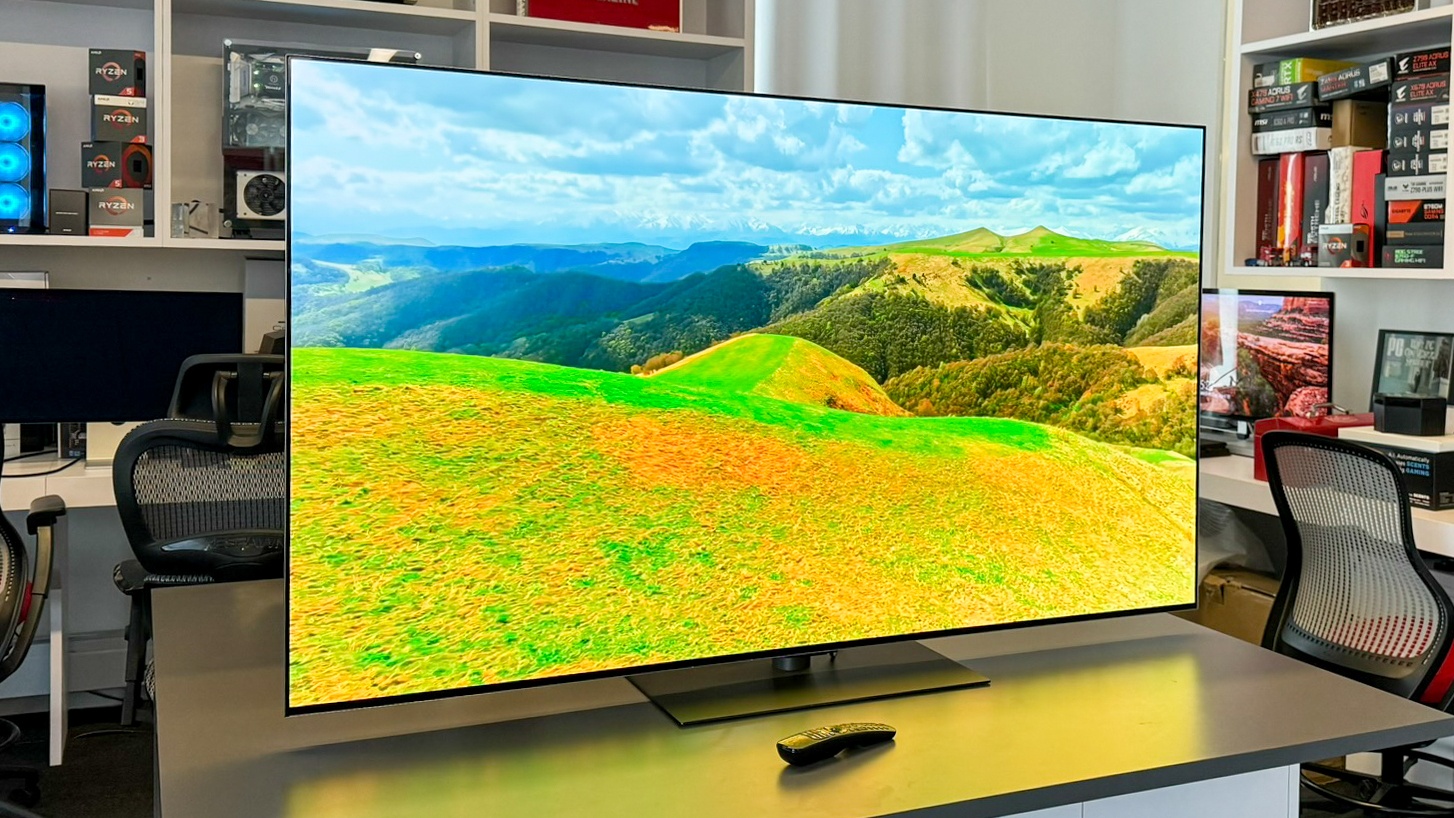
LG Boosts Dolby Vision Brightness on Flagship OLED TVs With Free Firmware Upgrade
LG has rolled out a free firmware update for its…
-
PocketBook’s InkPad One Challenges Kindle Scribe With Open Linux Platform and Note-Taking Power
PocketBook has unveiled the InkPad One, a new Linux-powered e-reader…
Leave a Reply