
Your cart is currently empty!
100% Secure Delivery Without Contacting The Courier
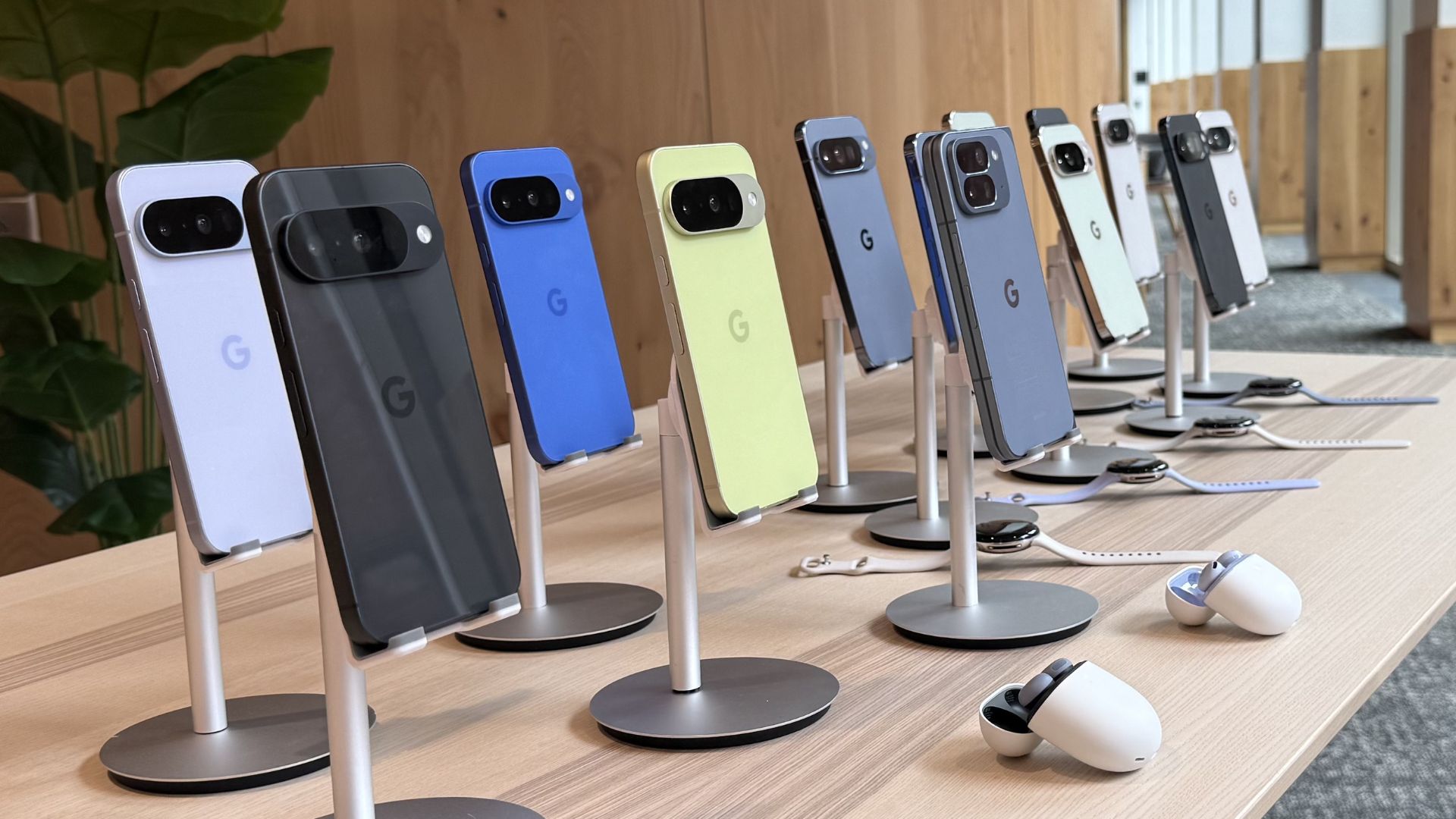
Google’s third-generation foldable refines the hardware, hinge, and performance – but still stumbles on software and “Pro” camera ambitions.
Foldables were once the crown jewels of smartphone innovation — the pinnacle of tech design and engineering. Yet in 2025, the segment feels like it’s waiting for a spark. Apple’s long-rumored foldable still hasn’t arrived, and while Huawei’s futuristic tri-fold devices have made global waves, mainstream adoption remains tepid.
Into this uncertain market strides Google’s Pixel 10 Pro Fold, the third iteration of its foldable lineup. At first glance, it mirrors last year’s Pixel 9 Pro Fold, but under the hood, Google has made meaningful engineering upgrades. A gearless hinge, magnetic wireless charging called Pixel Snap, and improved durability all point to a device that’s more refined than revolutionary.
So, is the Pixel 10 Pro Fold the foldable breakthrough Google has been promising, or another incremental step forward? Let’s find out.
Design & Build: Familiar Looks, Smarter Engineering
Dimensions:
- Folded: 155.2 x 76.3 x 10.8mm
- Unfolded: 155.2 x 150.4 x 5.2mm
- Weight: 258g
- Durability: IP68
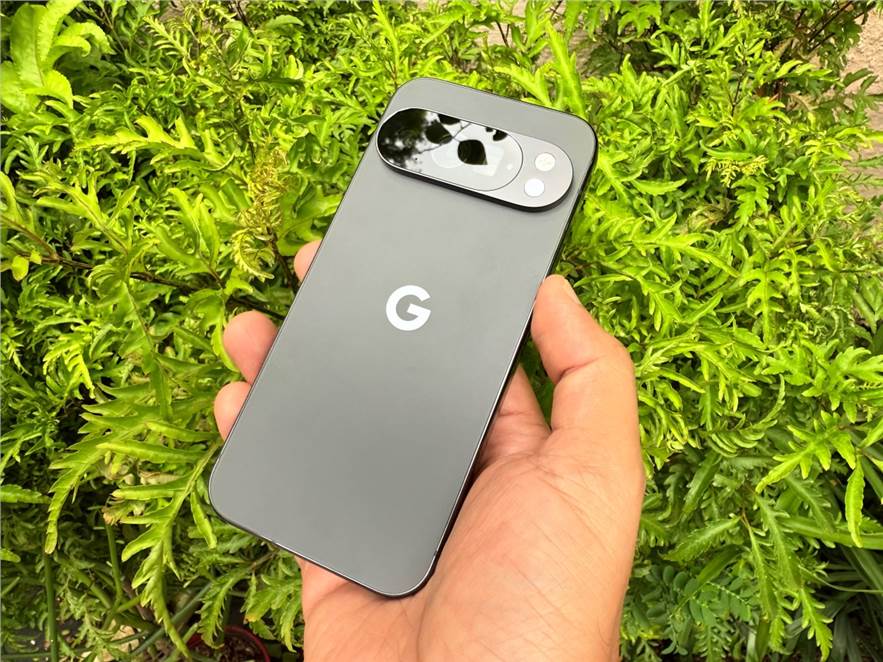
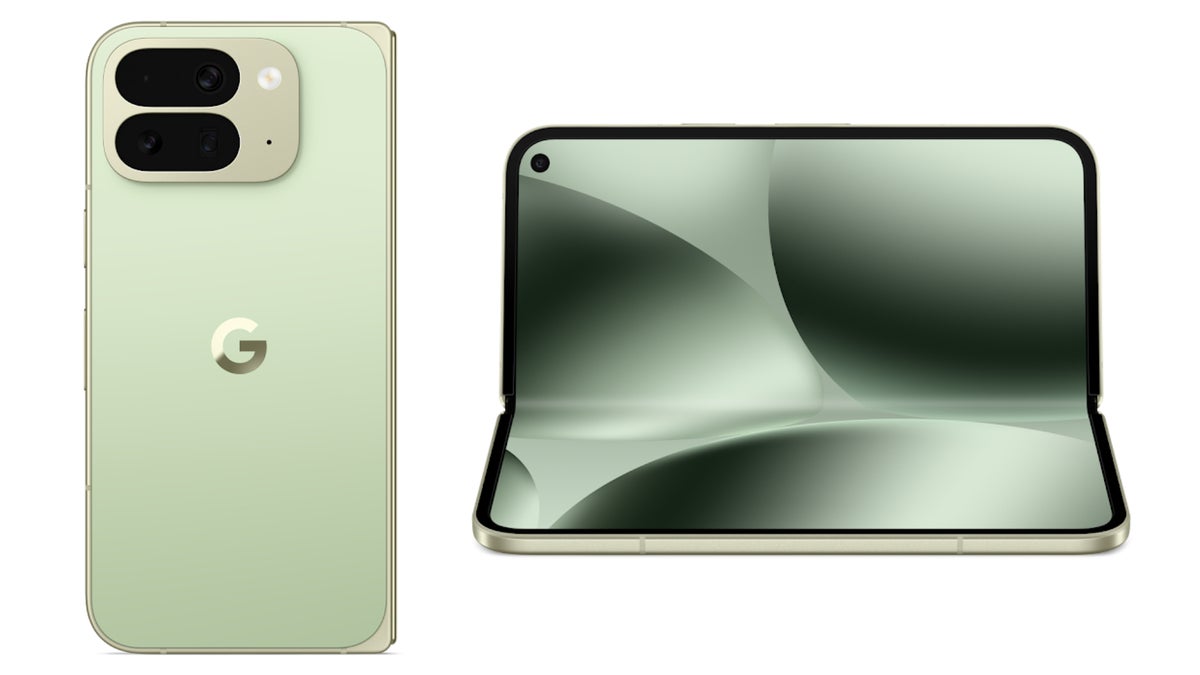
Google hasn’t reinvented the aesthetic — the Pixel 10 Pro Fold looks nearly identical to its predecessor, save for a one-gram weight increase. The minimalist design, flat edges, and signature camera bar return, maintaining the recognizable Pixel identity.
But the big story is internal. Within the same footprint, Google has squeezed in a larger battery, Pixel Snap magnetic wireless charging, and a completely new hinge. This gearless mechanism promises better dust resistance, smoother operation, and greater structural integrity, making it the first foldable hinge in the industry rated for dust protection.
The new hinge also allows for a slightly wider cover display, improving usability when folded. However, at 258 grams, it remains the heaviest foldable in its class — a fact you’ll notice during extended one-handed use.
Display: Bigger, Brighter, and Better Balanced
Cover Display: 6.4″ OLED (1080 x 2364, 60–120Hz)
Main Display: 8.0″ LTPO OLED (2076 x 2152, 1–120Hz)
Protection: Gorilla Glass Victus 2 (cover), Ultra-Thin Glass (main)
The hinge redesign grants the cover screen a slight size bump, and it’s immediately noticeable in day-to-day use. The Natural color mode delivers accurate tones, while the Adaptive mode adds vibrancy for those who prefer extra punch.
Brightness and clarity have improved, though thick bezels persist compared to Samsung’s Z Fold lineup and Vivo’s slim alternatives. The main display offers excellent color accuracy and responsiveness, with a crease that’s tactile but mostly invisible during use. Despite extensive testing, the panel showed no scratches or burn-in — a reassuring sign of durability.
Software & AI: A Beautiful, Bumpy Experience
Android Version: 16
UI: Pixel UI (Material You Expressive Design)
Support: 7 years OS + Security Updates
The Pixel 10 Pro Fold ships with Android 16, featuring a more dynamic and expressive interface under Google’s Material 3 design philosophy. The transitions are smoother, animations livelier, and typography bolder — though at times, it can feel visually excessive.
The headline feature this year is Magic Cue, a new AI assistant designed to surface relevant data across Google apps like Gmail, Calendar, Keep, and Messages. In theory, it acts like an intelligent layer that predicts what you need before you search.
In practice, however, Magic Cue feels half-baked. It works best with Google’s native apps, leaving users of WhatsApp or other third-party platforms behind. Processing takes time, and suggestions often appear inconsistently. Still, it shows promise — especially if Google expands support to Gboard and third-party apps in future updates.
Performance: Tensor G5 is Capable, But Not a Game-Changer
Processor: Tensor G5 (3nm, 3.78GHz)
RAM: 16GB LPDDR5X
Storage: 256GB (no higher variant available)
Despite being powered by TSMC’s efficient 3nm process, the Tensor G5 chip delivers mixed results. Benchmarks like GFXBench showed modest frame rates compared to last year’s Tensor G4, though real-world performance told a different story.
Everyday usage, multitasking, and gaming on titles like Call of Duty: Mobile ran smoothly at Very High settings without heating issues. The chip’s real strength lies in AI processing, enabling features like on-device language translation, photo editing, and Magic Cue responsiveness.
The only real disappointment is Google’s continued 256GB storage limitation, especially when competitors offer up to 1TB options in the same price range.
Cameras: Still Not “Pro” Enough
Main: 48MP (OIS, f/1.7)
Telephoto: 10.8MP (OIS, 5x optical, f/3.1)
Ultra-Wide: 10.5MP (0.5x, f/2.2)
Selfie: 10MP (front & inner displays)
Camera performance has long been a Pixel hallmark — but in the 10 Pro Fold, results are solid rather than stellar. The main sensor captures crisp, color-accurate photos in daylight, but struggles slightly with dynamic range in challenging lighting.
The telephoto lens performs decently at 5x zoom, though low-light sharpness could use improvement. The ultra-wide sensor delivers balanced shots but lacks the dramatic perspective seen in Samsung’s latest Fold models.
For a device carrying the “Pro” moniker, the camera system feels like a half-step behind Google’s own Pixel 10 Pro slab phone.
Verdict: A Foldable Refined, But Not Redefined
The Google Pixel 10 Pro Fold is a confident, well-built device that cements Google’s place in the premium foldable market. Its gearless hinge, Pixel Snap charging, and improved displays are meaningful advances. However, AI software inconsistencies, limited storage options, and underwhelming camera performance keep it from achieving true flagship dominance.
If you value Google’s clean Android experience, cutting-edge hinge design, and robust durability, this is the best Pixel Fold yet. But if you’re looking for an all-out performance powerhouse or next-level photography, you may want to wait for the Pixel 11 Fold — or Samsung’s rumored tri-fold future.
Categories: Gadgets
Related Posts :-
-

Facebook Introduces AI Writing Tools and Animated Profile Photos to Refresh the Social Experience
Facebook is rolling out a fresh set of features powered…
-
LG Boosts Dolby Vision Brightness on Flagship OLED TVs With Free Firmware Upgrade
LG has rolled out a free firmware update for its…
-

PocketBook’s InkPad One Challenges Kindle Scribe With Open Linux Platform and Note-Taking Power
PocketBook has unveiled the InkPad One, a new Linux-powered e-reader…
Leave a Reply