
Your cart is currently empty!
100% Secure Delivery Without Contacting The Courier
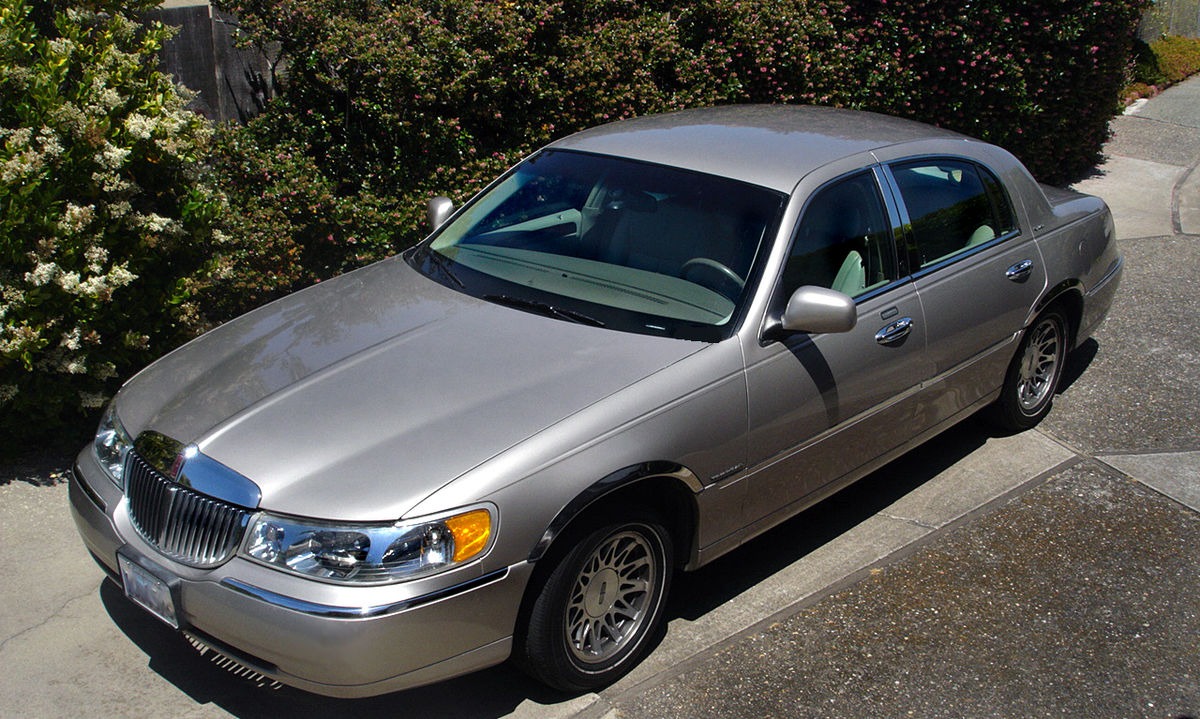
Luxury vehicles typically lose around 18% of their value each year, with prestige models depreciating even faster, at a rate of 19.2% annually. That pristine BMW or Mercedes you’re considering? Expect it to lose 40-50% of its value over five years, regardless of how carefully it’s maintained. The shift from mechanical marvels to software-driven vehicles has upended traditional notions of car care, leaving used luxury buyers navigating a far more complex market.
Digital Lockouts Can Slash Resale Value
Many luxury cars now operate like rolling computers, with features controlled by subscriptions rather than hardware. Adaptive cruise control, heated seats, or customizable driving modes may require ongoing fees that don’t transfer to new owners. Imagine buying a “fully loaded” Mercedes, only to discover the massage seats or advanced infotainment require a monthly subscription. These software restrictions frustrate buyers and undermine the resale value, as the previous owner may remove features marketed as permanent.
EV Batteries Accelerate Depreciation
Electric luxury vehicles face even steeper depreciation. Battery degradation can reach 20% over a five-year period, and replacements cost between $10,000 and $20,000. Rapid advancements in EV technology also make last year’s high-tech infotainment feel outdated, reducing demand for older models. Buyers are wary of inheriting expensive battery maintenance and compatibility issues associated with evolving charging standards, which further drives down resale prices.
Personalized Luxury Limits Buyer Appeal
Custom interiors and bespoke options—think purple leather seats or walnut trim packages—may showcase your style, but they often shrink the resale buyer pool. Most luxury buyers prefer standard, mainstream configurations, characterized by neutral interiors, proven tech packages, and popular colors. Over-customization can transform your dream car into a niche vehicle that few buyers want, limiting your options when it comes time to sell.
Smart Strategies for Used Luxury Buyers
Practical buyers in the luxury market often focus on mainstream specs and lightly depreciated vehicles. Research suggests that purchasing a 1-3 3-year-old luxury car allows you to enjoy most of the luxury experience while avoiding the steepest depreciation hit. Avoid over-customized features and expensive tech add-ons that don’t retain value, and prioritize models with maintenance-friendly specifications that appeal to a broad audience.
Treat Luxury Cars Like Gadgets, Not Investments
In 2024, luxury car ownership requires a new mindset. Vehicles are now complex tech products with rapidly depreciating value. Buyers who navigate depreciation, subscription lockouts, EV battery issues, and customization pitfalls can still enjoy a luxury experience—but only if they approach these cars as high-end gadgets, rather than appreciating them as assets.
Categories: Car
Related Posts :-
-

Facebook Introduces AI Writing Tools and Animated Profile Photos to Refresh the Social Experience
Facebook is rolling out a fresh set of features powered…
-
LG Boosts Dolby Vision Brightness on Flagship OLED TVs With Free Firmware Upgrade
LG has rolled out a free firmware update for its…
-

PocketBook’s InkPad One Challenges Kindle Scribe With Open Linux Platform and Note-Taking Power
PocketBook has unveiled the InkPad One, a new Linux-powered e-reader…
Leave a Reply