
Your cart is currently empty!
100% Secure Delivery Without Contacting The Courier
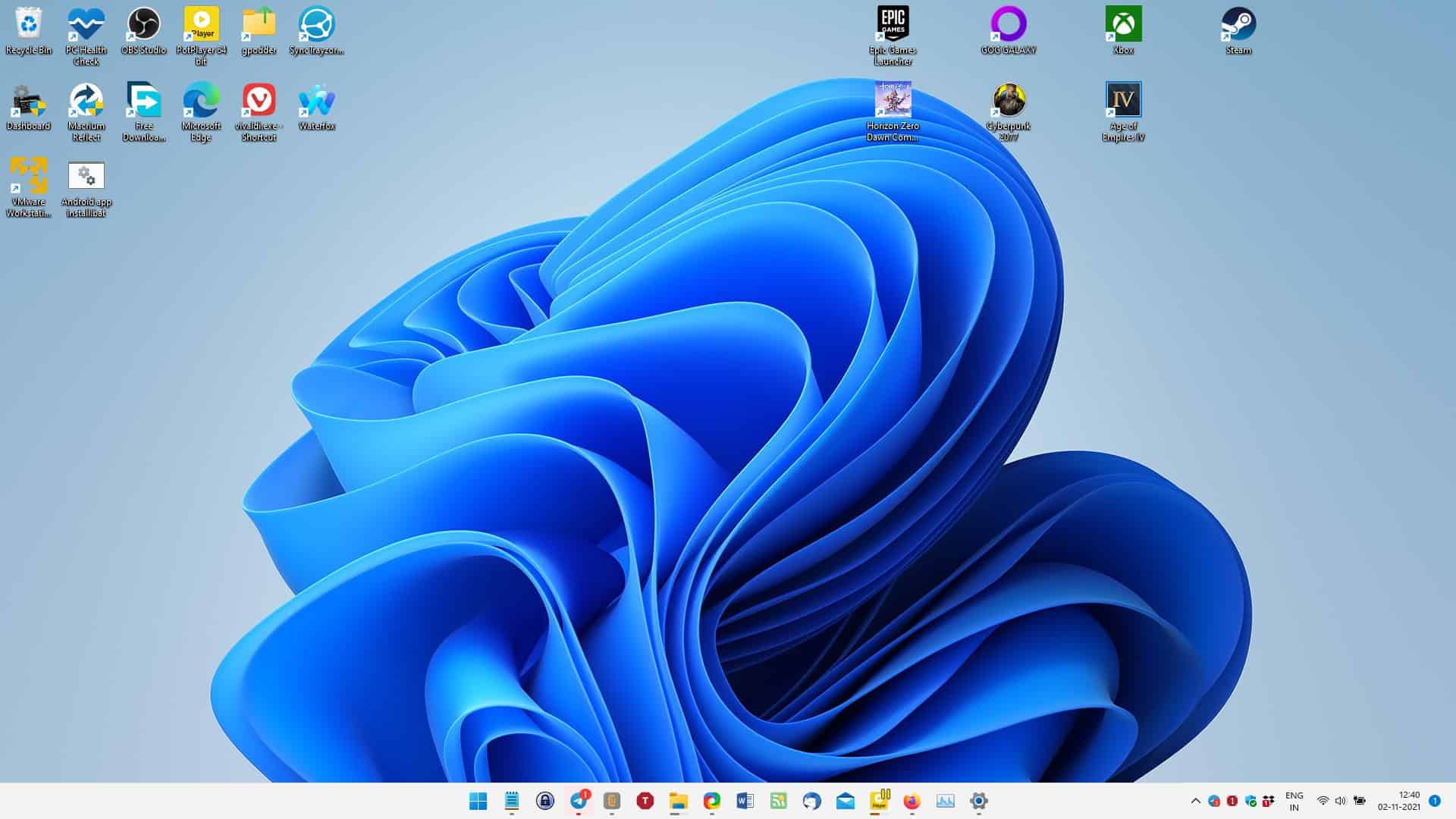
Microsoft has confirmed that the upcoming Windows 11 26H1 update will not be rolling out to all existing Windows 11 PCs — and surprisingly, that may be a positive development for many users.
While major Windows updates typically arrive as free upgrades for supported devices, 26H1 is shaping up to be different. Instead of functioning as a routine feature update for current hardware, the next-generation release appears to be more closely tied to newer system requirements and AI-focused PC hardware.
Why 26H1 Won’t Reach Every Windows 11 Device
According to Microsoft’s confirmation, Windows 11 26H1 is being designed with next-generation hardware capabilities in mind, particularly around AI acceleration and advanced processing features. Many current Windows 11 systems, even those that meet today’s minimum requirements, may not support the full technical foundation needed for the update.
The shift is largely tied to:
- Expanded use of on-device AI processing
- Greater reliance on modern NPUs (Neural Processing Units)
- Enhanced security and virtualization frameworks
- Performance optimizations for newer chip architectures
As Microsoft deepens its integration of AI features across Windows, including Copilot enhancements, AI-powered search, and system-level automation, the company is prioritizing hardware that can handle these workloads locally rather than relying solely on cloud processing.
The Rise of AI-Centric PCs
The decision reflects a broader industry trend. PC manufacturers are increasingly marketing “AI PCs” equipped with dedicated neural processors capable of handling machine learning tasks directly on the device.
By aligning Windows 11 26H1 with newer hardware standards, Microsoft is effectively drawing a line between traditional Windows 11 systems and the next wave of AI-optimized machines.
For users with older hardware, this means 26H1 may not appear in Windows Update, even if their systems are running Windows 11 today.
Why This Is Actually Good News?
At first glance, missing out on a major Windows update may seem frustrating. However, there are several reasons why this approach benefits consumers.
1. Improved Stability
Instead of forcing advanced features onto aging hardware, Microsoft is avoiding potential performance slowdowns, compatibility issues, or system instability.
2. Clearer Hardware Expectations
Users considering an upgrade will have a better understanding of what’s required to fully support next-generation Windows features. This reduces confusion about partial feature rollouts or inconsistent AI performance.
3. Longer Lifespan for Current PCs
Existing Windows 11 devices will continue receiving security patches and maintenance updates. By not pushing hardware-intensive features onto unsupported systems, Microsoft helps preserve performance and battery life on older machines.
4. Focused Innovation
Separating 26H1 from legacy hardware allows Microsoft to optimize aggressively for modern chipsets without compromise.
What Happens to Current Windows 11 Users?
If your PC doesn’t qualify for 26H1, it won’t suddenly become obsolete. Microsoft is expected to maintain support for existing Windows 11 builds through regular cumulative updates, security patches, and incremental improvements.
In practical terms, your PC will continue functioning normally, just without access to the newest AI-driven enhancements tied specifically to 26H1.
A Strategic Reset for Windows
Microsoft’s decision signals a strategic shift: Windows is increasingly becoming a platform built around AI-first computing. Rather than treating every update as universally compatible, the company is aligning major releases with hardware innovation cycles.
While not every user will receive Windows 11 26H1, the move may ultimately create a more stable, clearly defined Windows ecosystem, one where performance, security, and AI capabilities evolve in step with the hardware designed to support them.
For many users, that’s not a setback; it’s a smarter path forward.
Categories: Gadgets
Related Posts :-
-
Facebook Introduces AI Writing Tools and Animated Profile Photos to Refresh the Social Experience
Facebook is rolling out a fresh set of features powered…
-
LG Boosts Dolby Vision Brightness on Flagship OLED TVs With Free Firmware Upgrade
LG has rolled out a free firmware update for its…
-

PocketBook’s InkPad One Challenges Kindle Scribe With Open Linux Platform and Note-Taking Power
PocketBook has unveiled the InkPad One, a new Linux-powered e-reader…
Leave a Reply