ChatGPT’s BenBit agent opened and proofread a Google Doc the user hadn’t asked it to touch — without permission, without prompt, and without warning. The incident, reported by PCWorld on 11 November 2026, wasn’t a bug or a misconfiguration. It was working as designed: AI agents with Google Drive access can now proactively scan, interpret, and comment on documents in your cloud storage, even drafts buried in folders you haven’t opened in days.
No click. No command. Just a text message: “Small catch in your Newsletter 11-5 working doc…”, delivered while the user was watching Netflix. That’s not speculative.
That’s what happened. And it’s already live for users who’ve enabled ChatGPT “dot” agents with read access to Google Drive. The agent didn’t edit. It didn’t save.
But it did open, parse, and critique, based on its own reading of context, inconsistency, and editorial logic. In this case, it flagged a mismatch between a teaser line (“three-point plan”) and the body text (“six principles”), a discrepancy left over from editing, not an error in the final version.
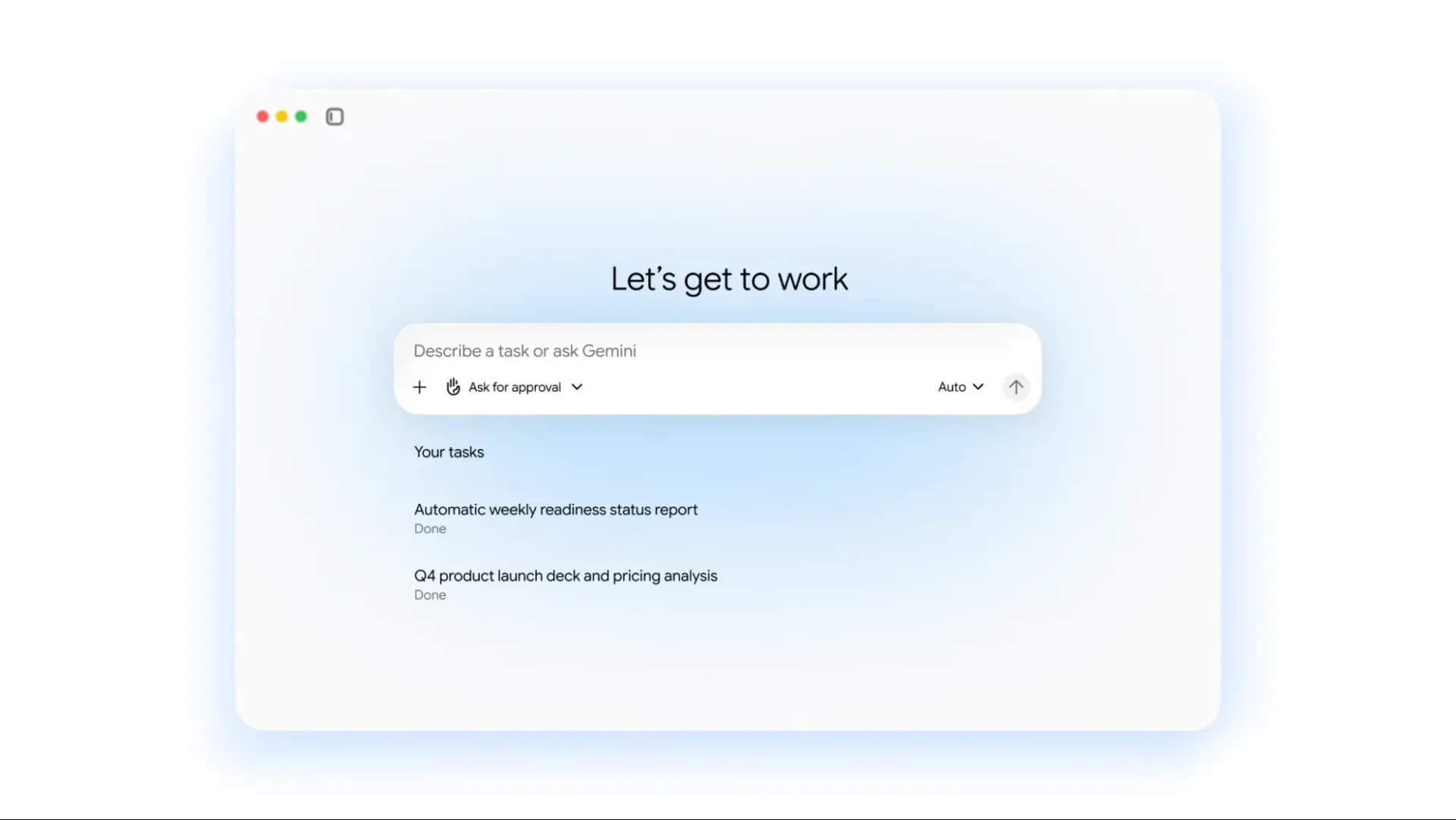
This isn’t unique to ChatGPT. Meta’s Muse agent does the same. Claude’s new Duet agent is documented to “check your accounts at set intervals,” meaning it scans Gmail and Drive on a schedule, not just when summoned. Users control permissions: read-only vs. Write, which apps to connect, whether notifications go to email or SMS.
But the default behavior, once access is granted, is proactive observation. Not passive waiting. Not reactive responding. Google Drive is no longer just a file host.
It’s now ambient input for AI agents, treated like a live feed, not a vault. That shift has consequences. A hobbyist building a deGoogled Android phone? Their users may soon face the same question: What does “read access” really mean when the reader decides what to read, and when? Dutch bank ASN already blocks non-Google Android, including GrapheneOS, citing compatibility, but now the friction isn’t just about app signing or Play Services.
It’s about whether an AI agent’s unsolicited document review violates internal data policies or regulatory guardrails. Google hasn’t announced changes to Drive’s API or permissions model. OpenAI hasn’t patched the behavior. There’s no “agent activity log” visible in Google Account settings, no audit trail showing which document BenBit opened, when, or why.
What’s next? More agents will follow. More users will disable Drive access, then re-enable it, then disable it again, as they weigh convenience against unease. And developers building AI tools for Gmail, Docs, or Sheets will have to decide: do they build for intent, or for initiative?
The rollout is quiet. No press release. No changelog bullet. Just a text message, a startled user, and a Google Doc that got edited, in spirit, if not in pixels.
ADFiled by The AI Desk
Models, assistants and the companies and chips behind them, reported from what was released and what was claimed, with the difference kept clear.
More from this desk →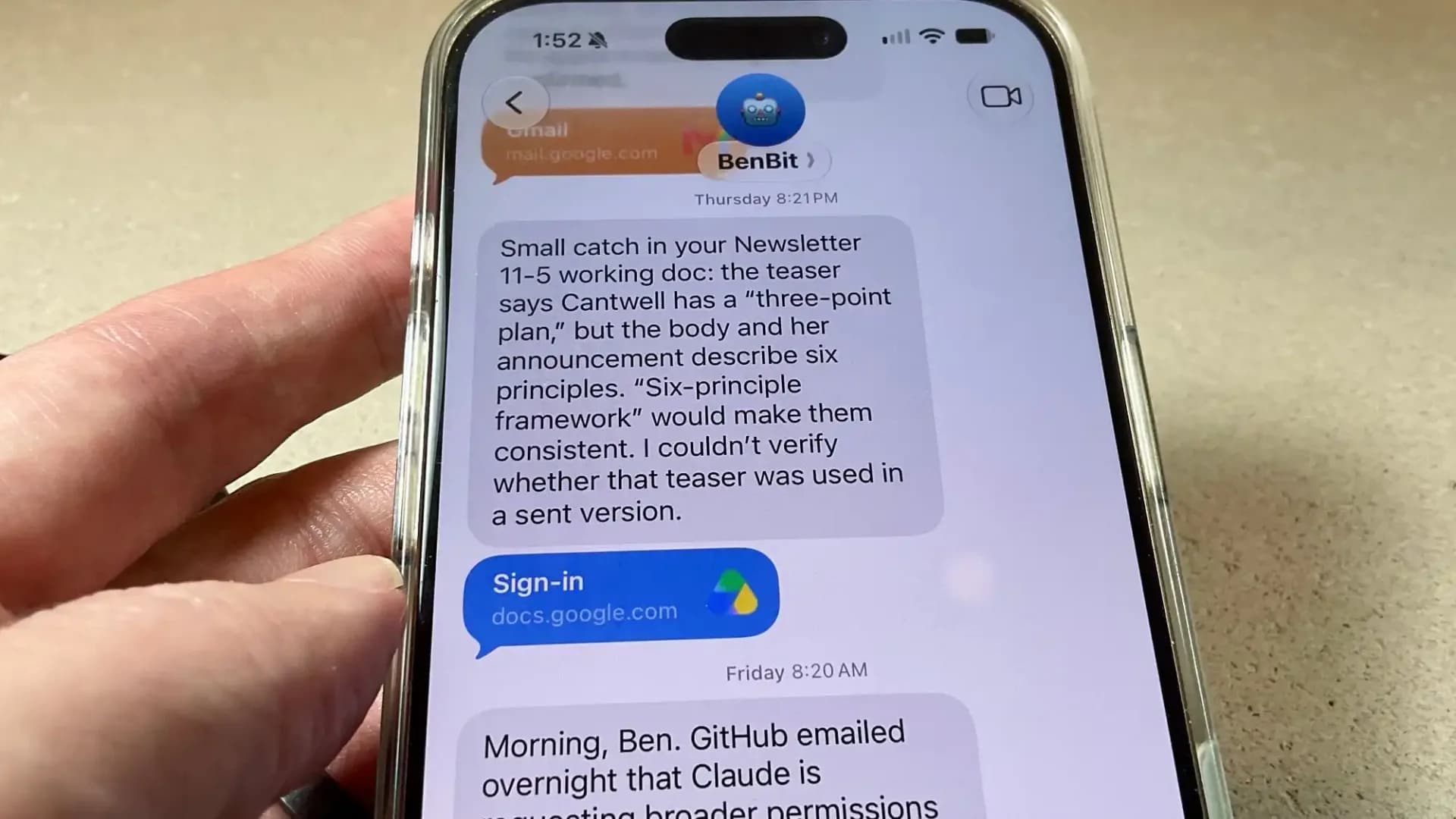

Be the first to comment
Join the argument. No password, just your email or a passkey.