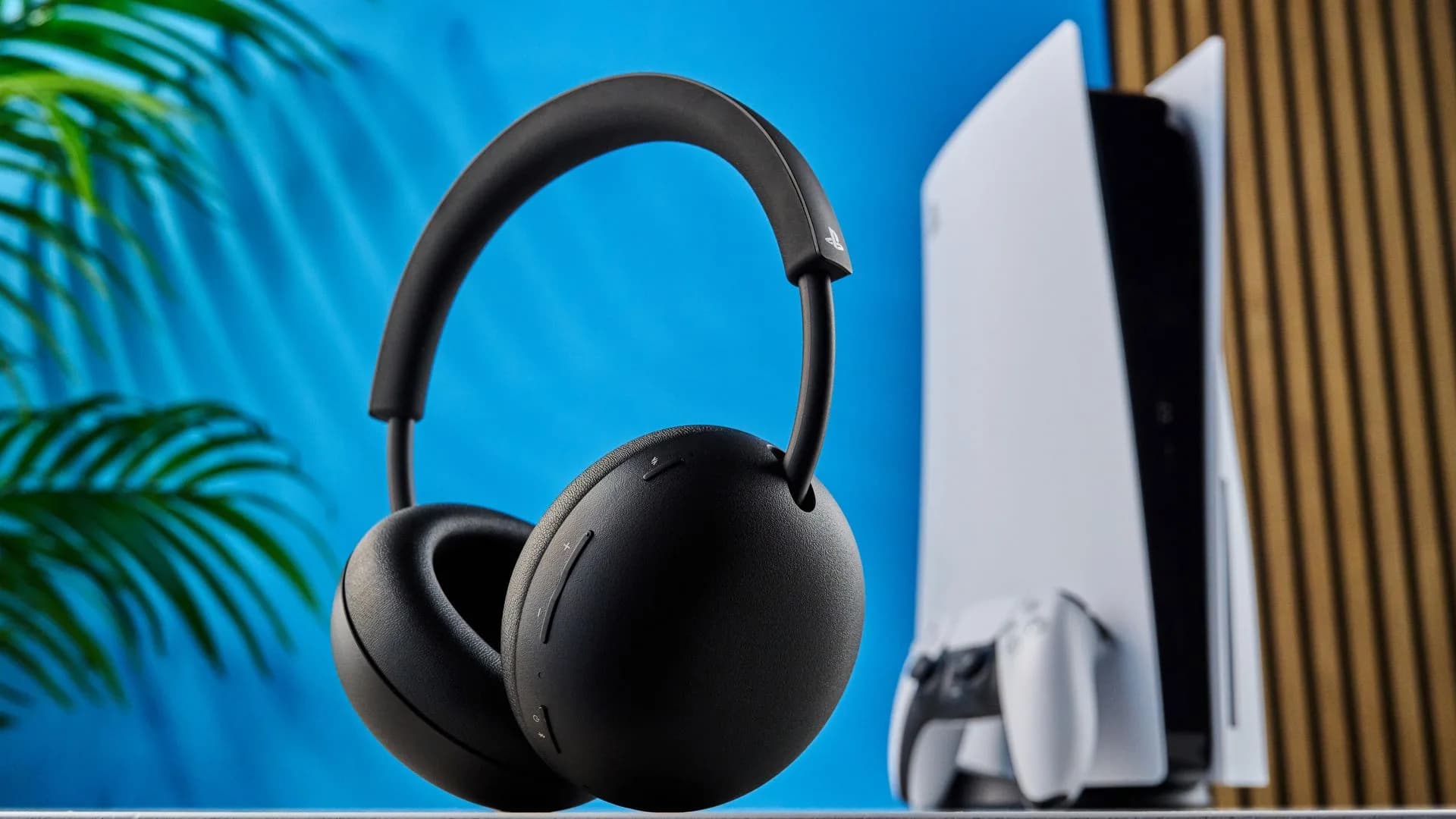
Sony's PlayStation Pulse Wireless Headset Reviewed for PS5 at $99
Tom's Guide tested Sony's planar-driver follow-up to the Pulse 3D and found sound quality that beats far pricier rivals, with one notable gap in the low end.
Section
What the reviews are saying: verdicts on new devices from the outlets that tested them, summarised and credited.
These are review roundups. We do not test hardware ourselves: each piece summarises what the outlets that did test a device found, and links to them.

Tom's Guide tested Sony's planar-driver follow-up to the Pulse 3D and found sound quality that beats far pricier rivals, with one notable gap in the low end.

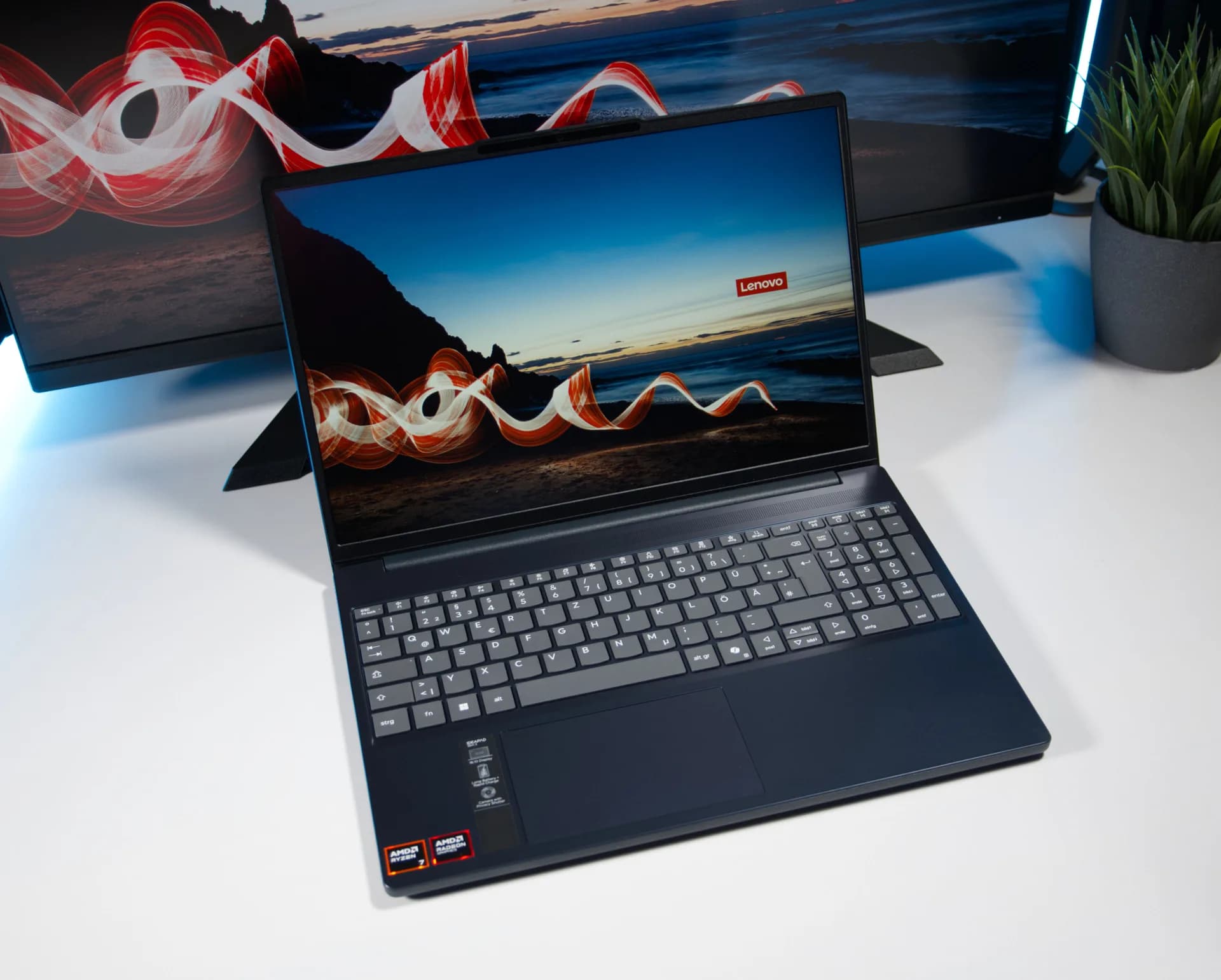
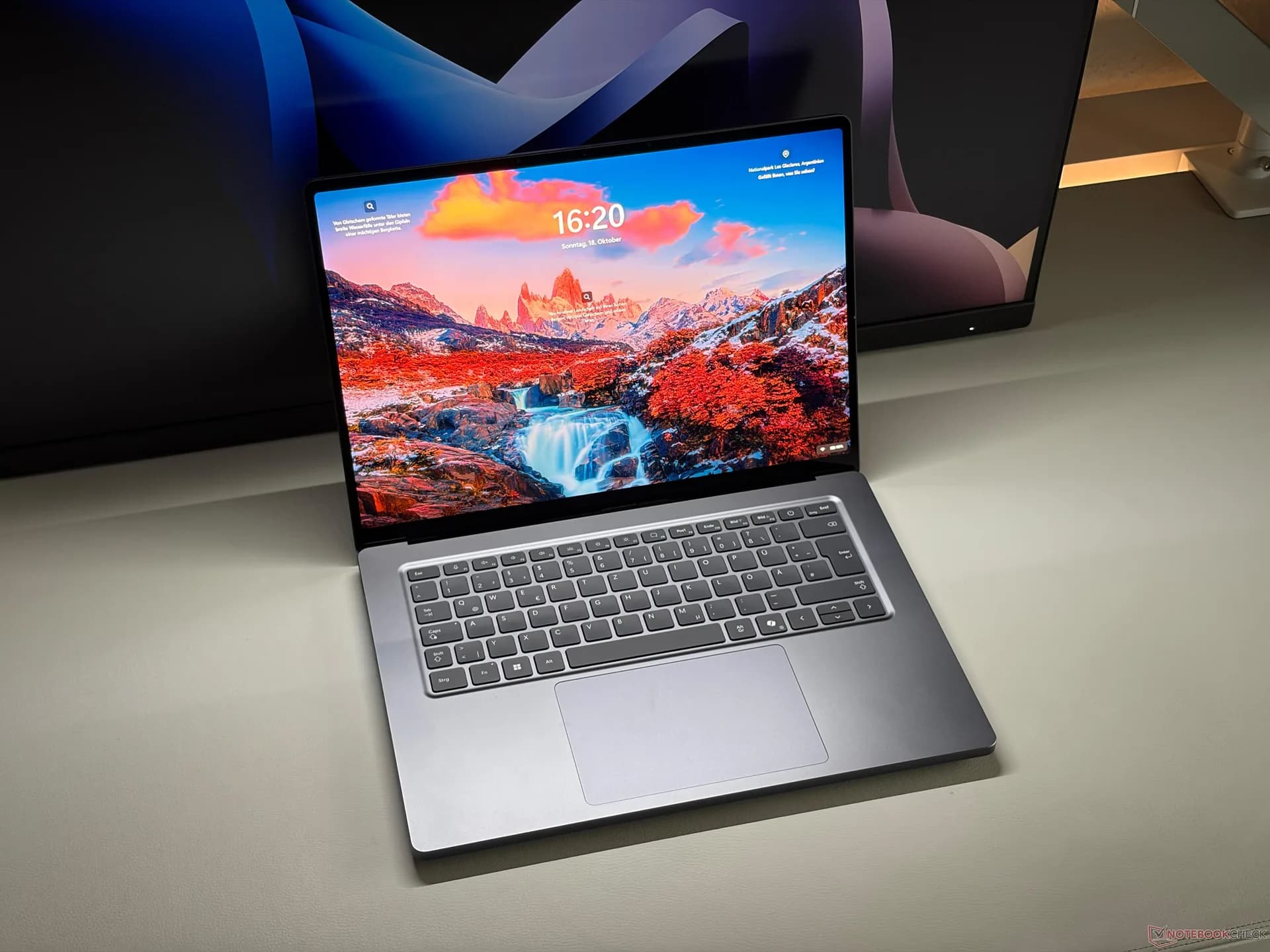
Notebookcheck's review of the Lenovo IdeaPad Slim 3 15ARP10 found an AMD Ryzen 7 170 chip that handles office work well, a comfortable keyboard, and a dim, muted display that rules out photo editing.

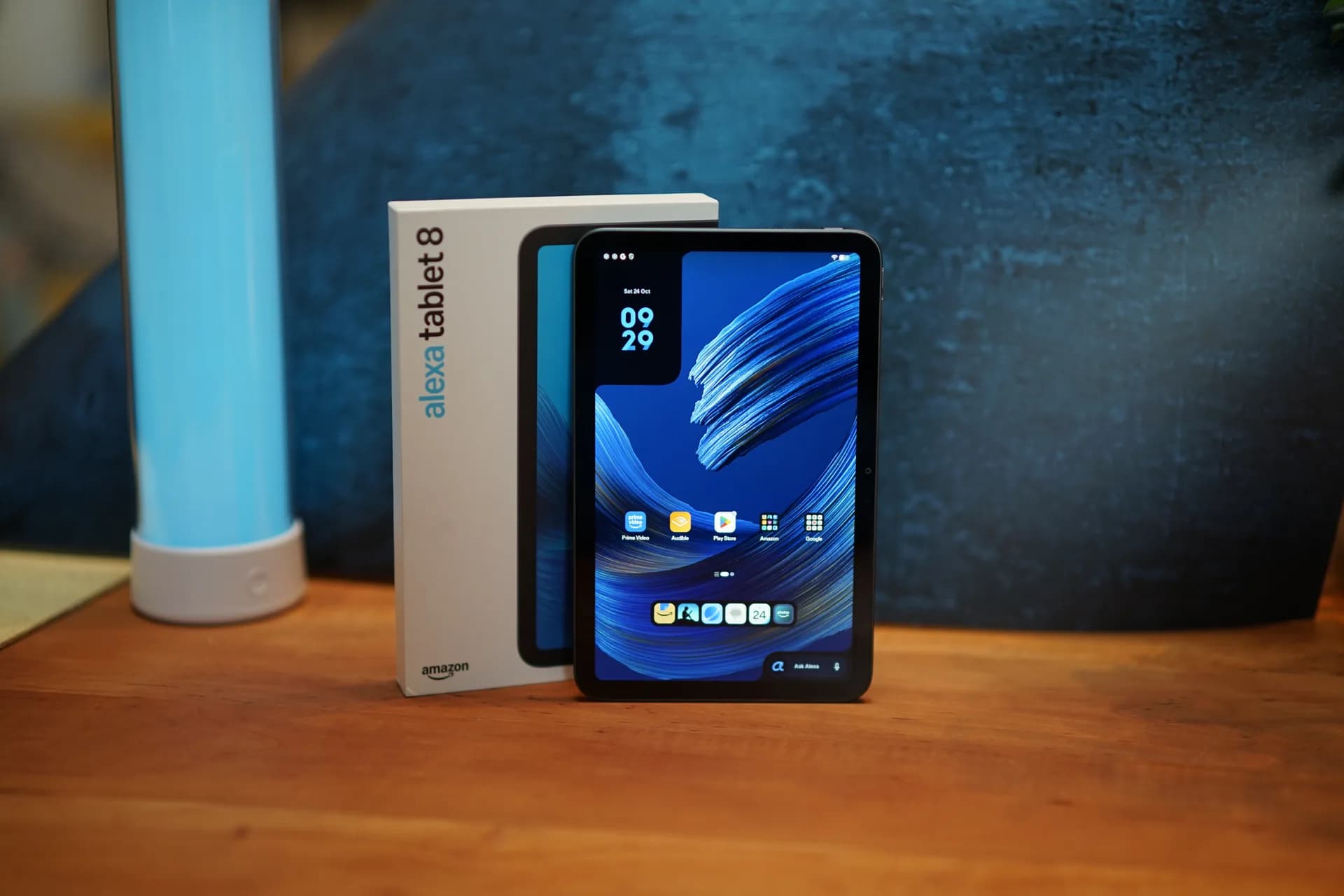
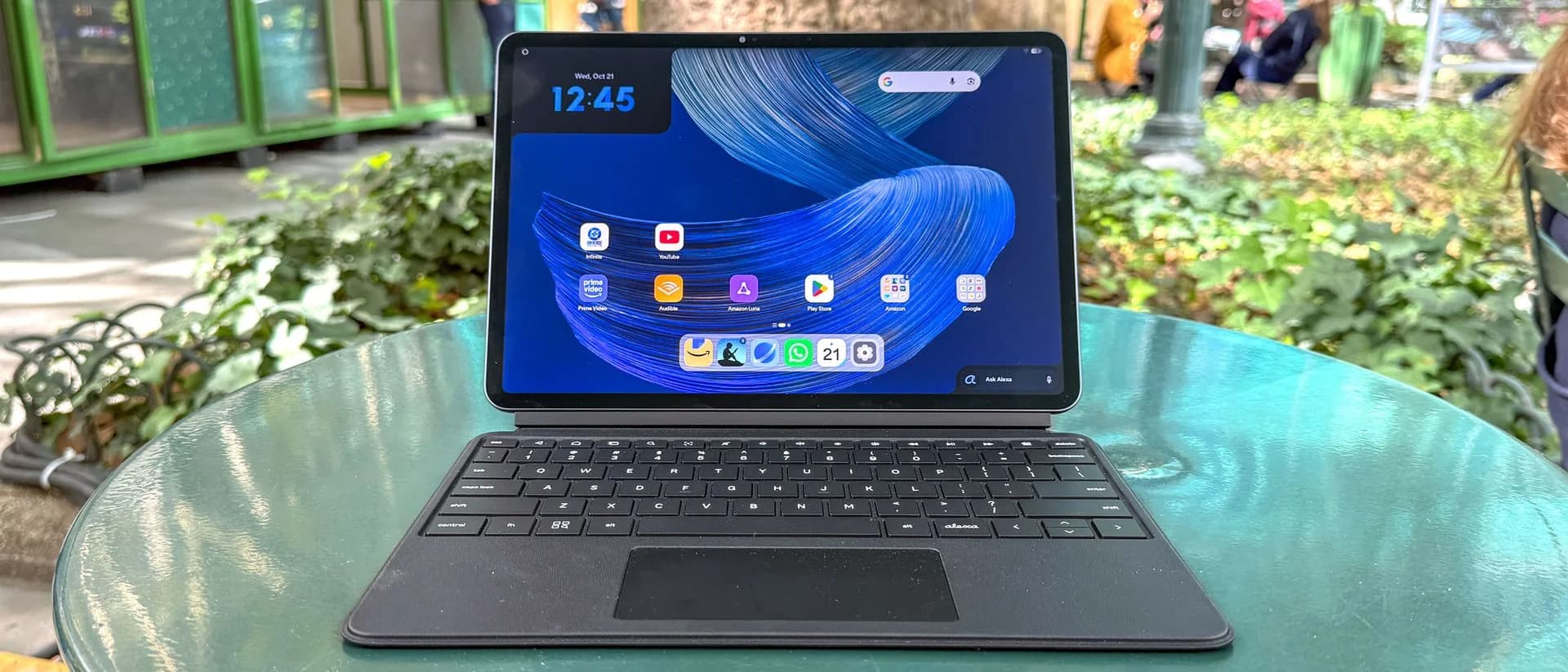
Notebookcheck's hands-on review of Amazon's Alexa Tablet 8 found a metal-bodied, $229 Android tablet with genuine Google Play access, a MediaTek Kompanio 540 chip, 17-plus hours of battery life and weak cameras.

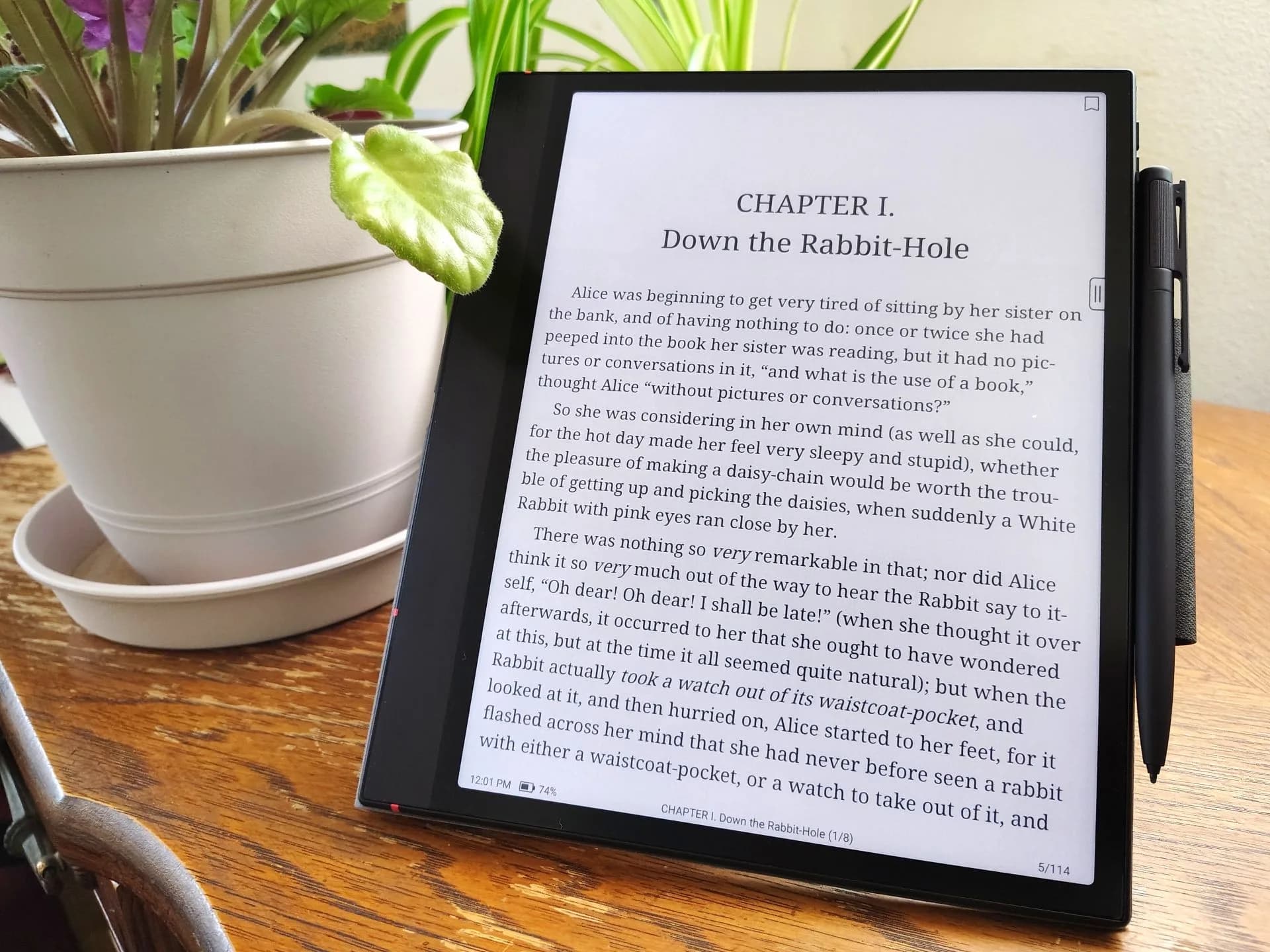
Boox Note Air6 C review: A color ePaper tablet that trades screen pop for eye comfort — and ships with Android 16 multitasking at $579.99 globally.

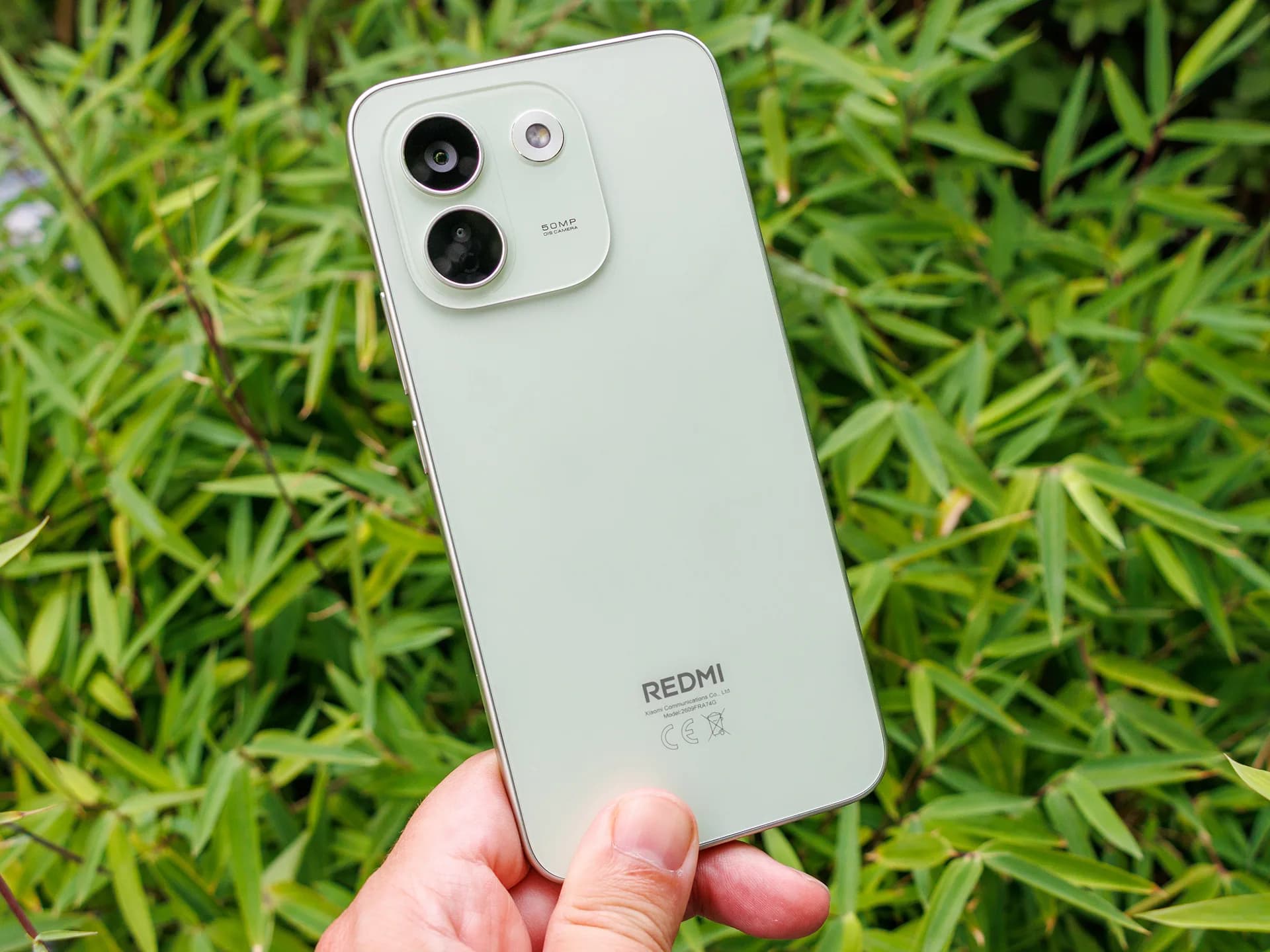
Xiaomi Redmi Note 17 Pro Max 5G is live in the UK at £399 for 8GB/256GB — and it’s built around one thing: battery life.

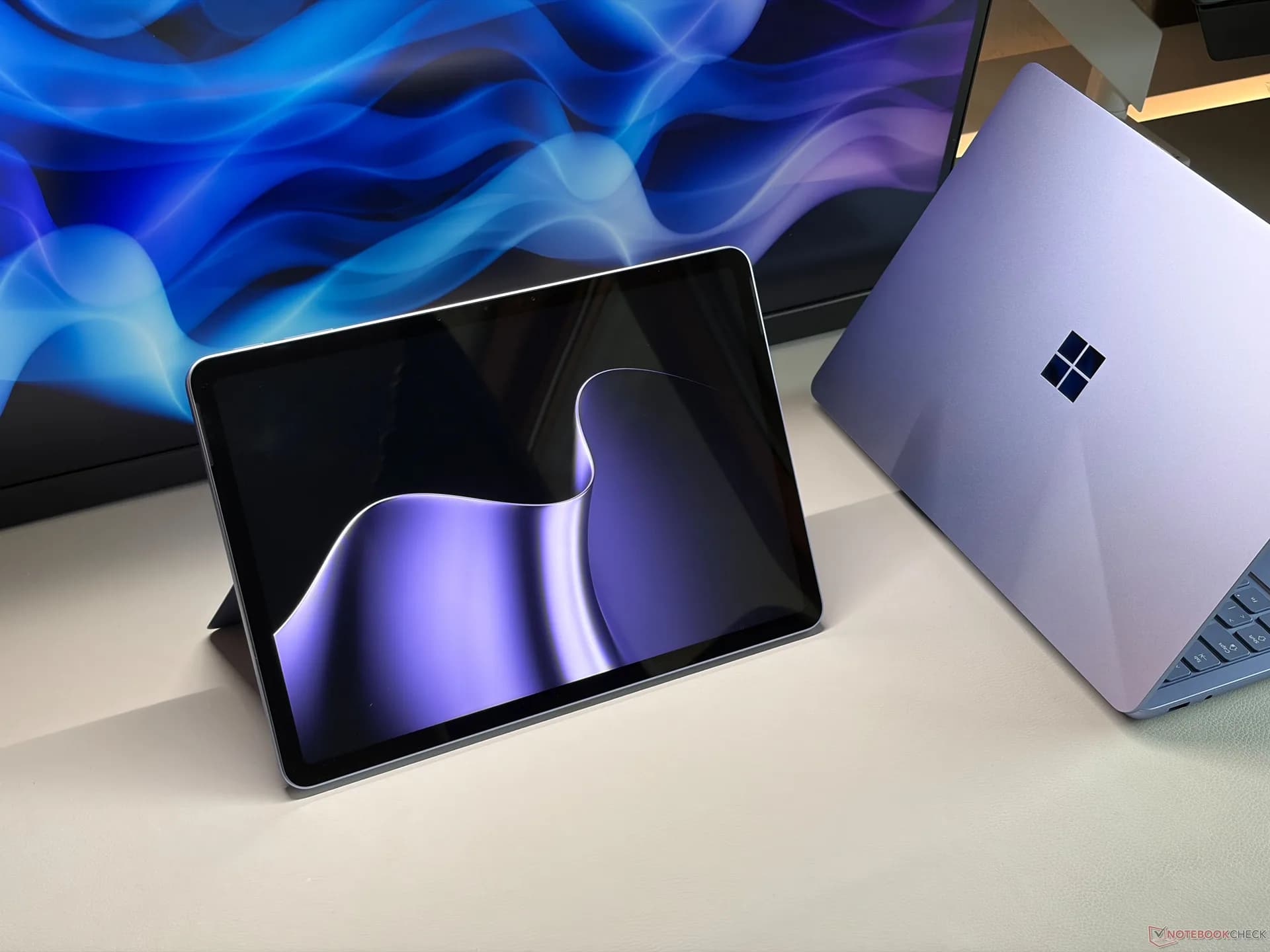
Surface Pro 12 (2026) launches at $1,149. Fanless. 12-inch. 90 Hz DisplayPort-capable USB-C. But the Sharp panel cuts contrast and adds ghosting — and the Snapdragon X2 Plus is slower in multi-core than last year’s chip.

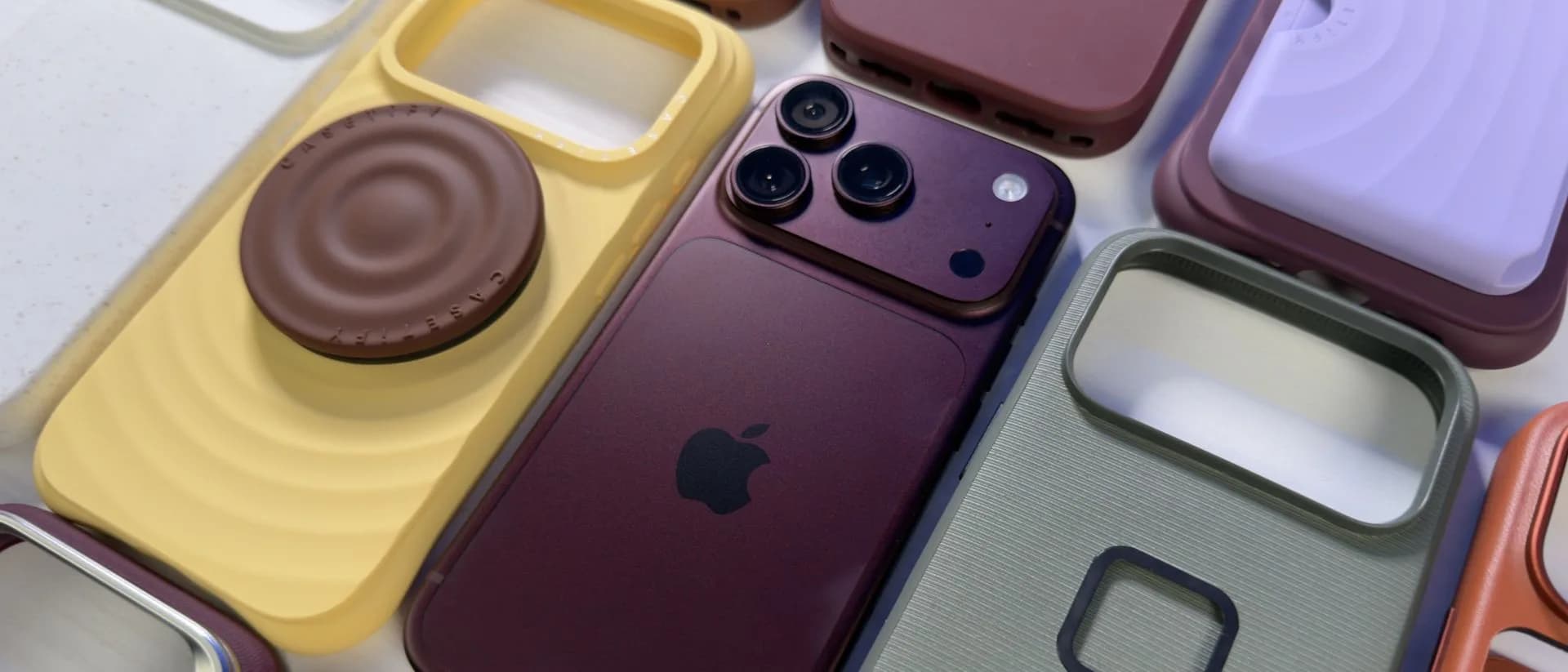
TechRadar's case roundup for the iPhone 18 Pro and iPhone 18 Pro Max covers options from Apple, ESR, Troubadour, CASETiFY, Wave and Peak Design, each tested for grip, drop resistance and MagSafe compatibility.

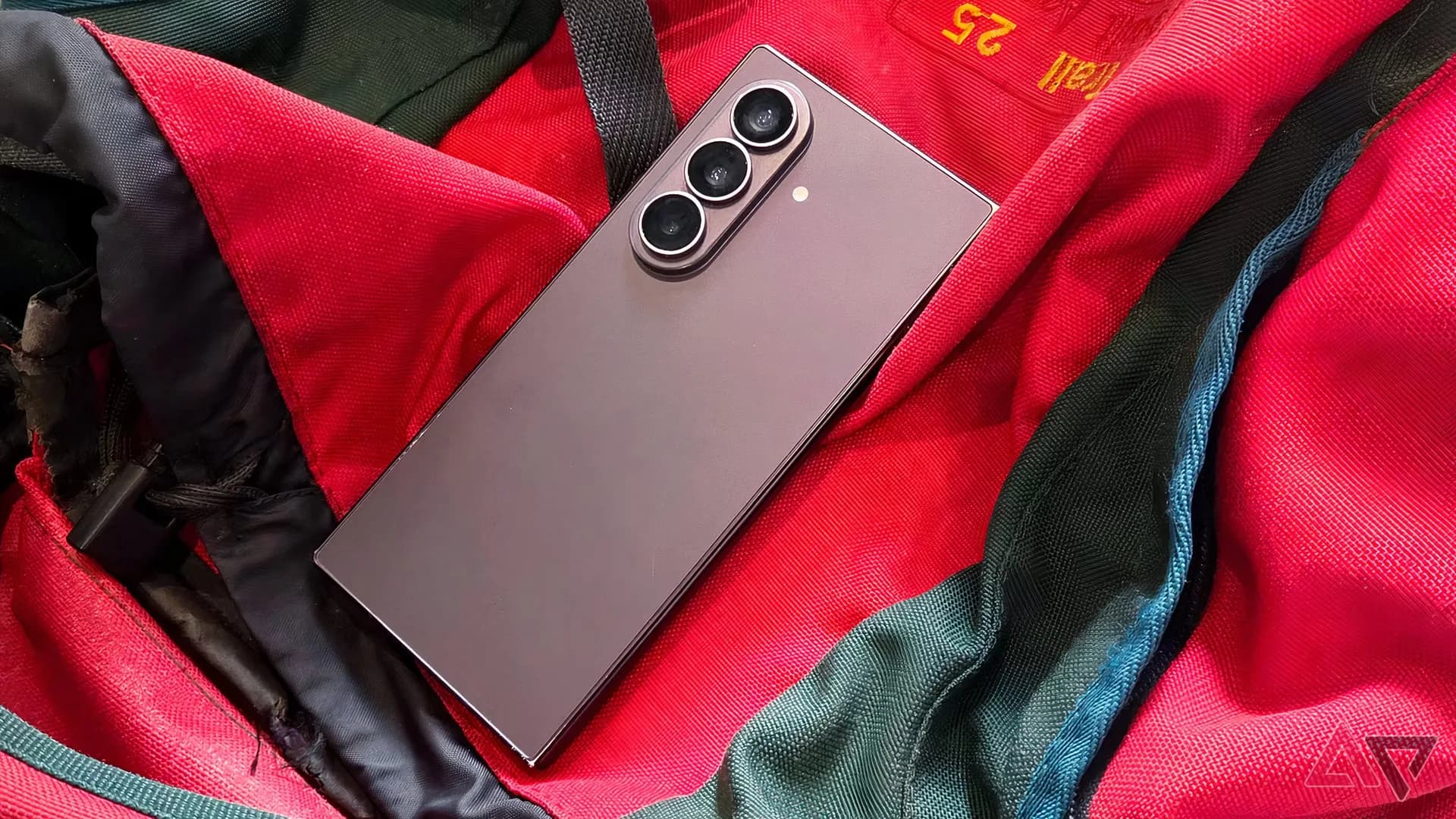
A two-week travel review of the Samsung Galaxy Z Fold 8 Ultra from Android Police praises its cameras, charging speed and inner display for gaming, while flagging battery drain as the main weak spot for travelers.

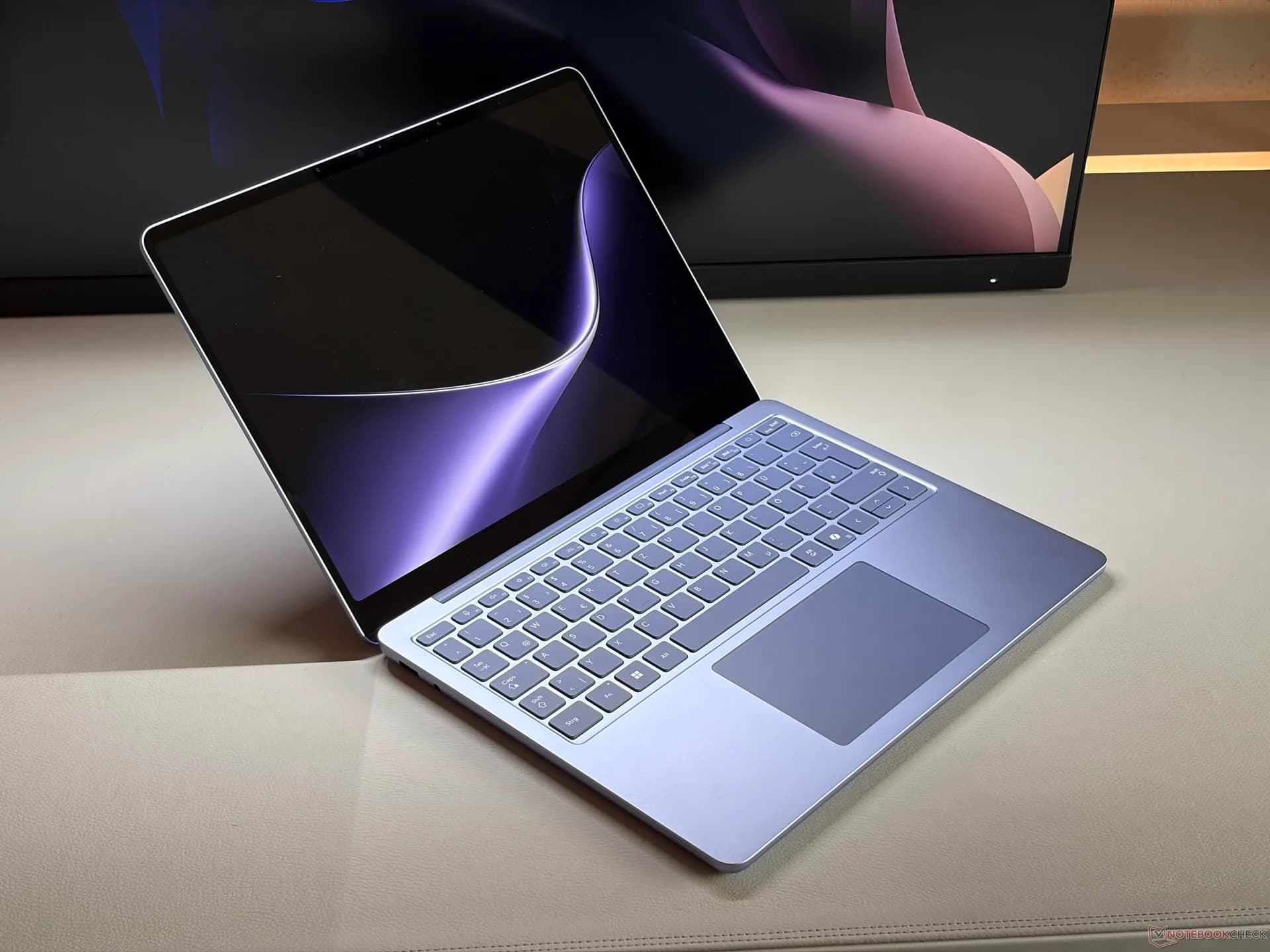
Notebookcheck's review unit — a Violet 512 GB configuration — shows the new Snapdragon X2 Plus running cool and quiet. The trade-offs: soldered RAM, no USB4, and a panel that hasn't moved past 60 Hz.

Amazon's 2026 Kindle Paperwhite and Colorsoft are out, with the Signature Edition swapping wireless charging for pogo pins and a new $80 Page Turn Cover. Engadget and Wired tested both and came away with mixed verdicts.

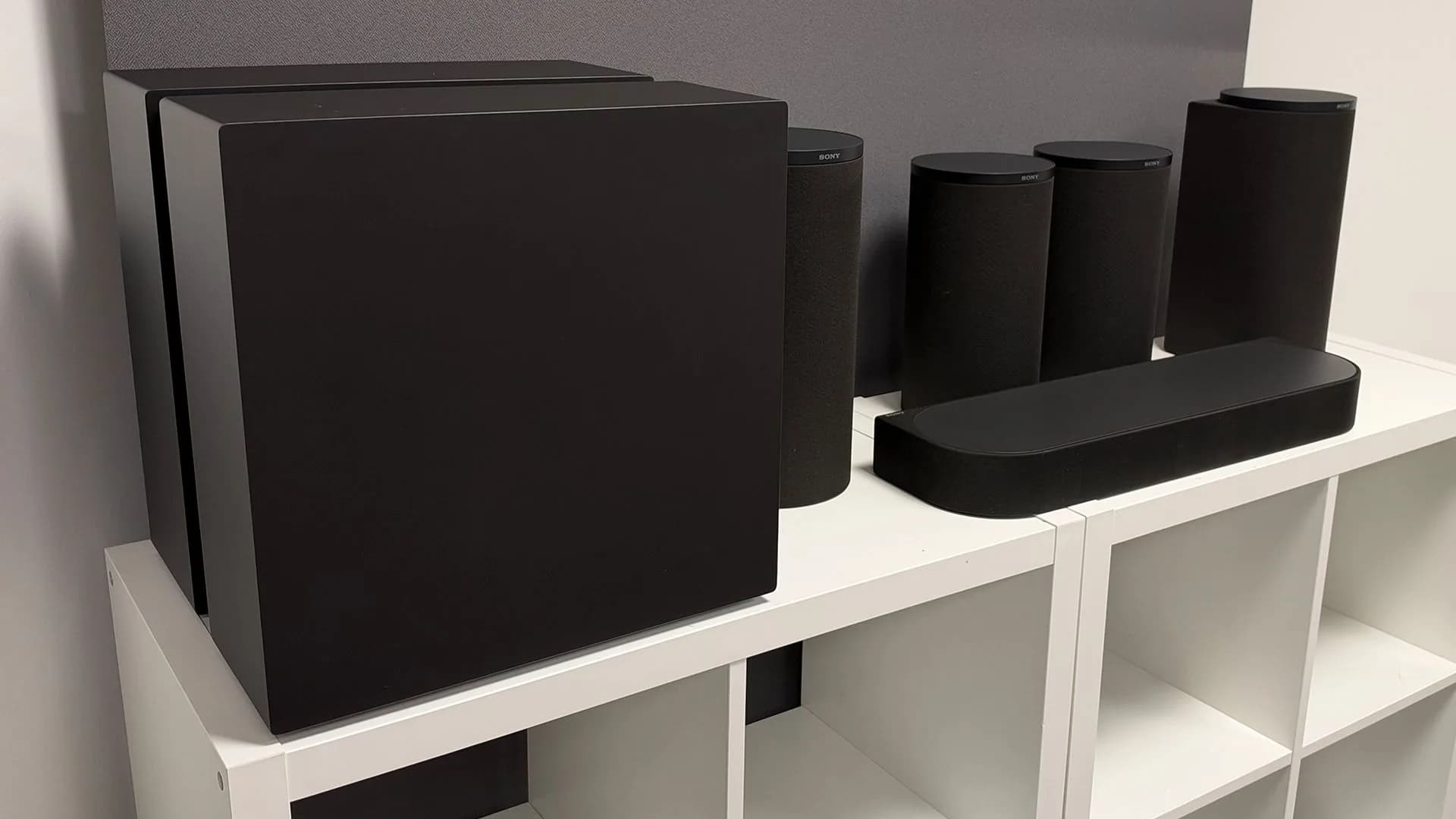
What Hi-Fi's updated Dolby Atmos soundbar guide now ranks the Samsung HW-Q990H as its top overall package and Sony's Bravia Theatre System Trio setup as the best premium option, each replacing a previous favorite.

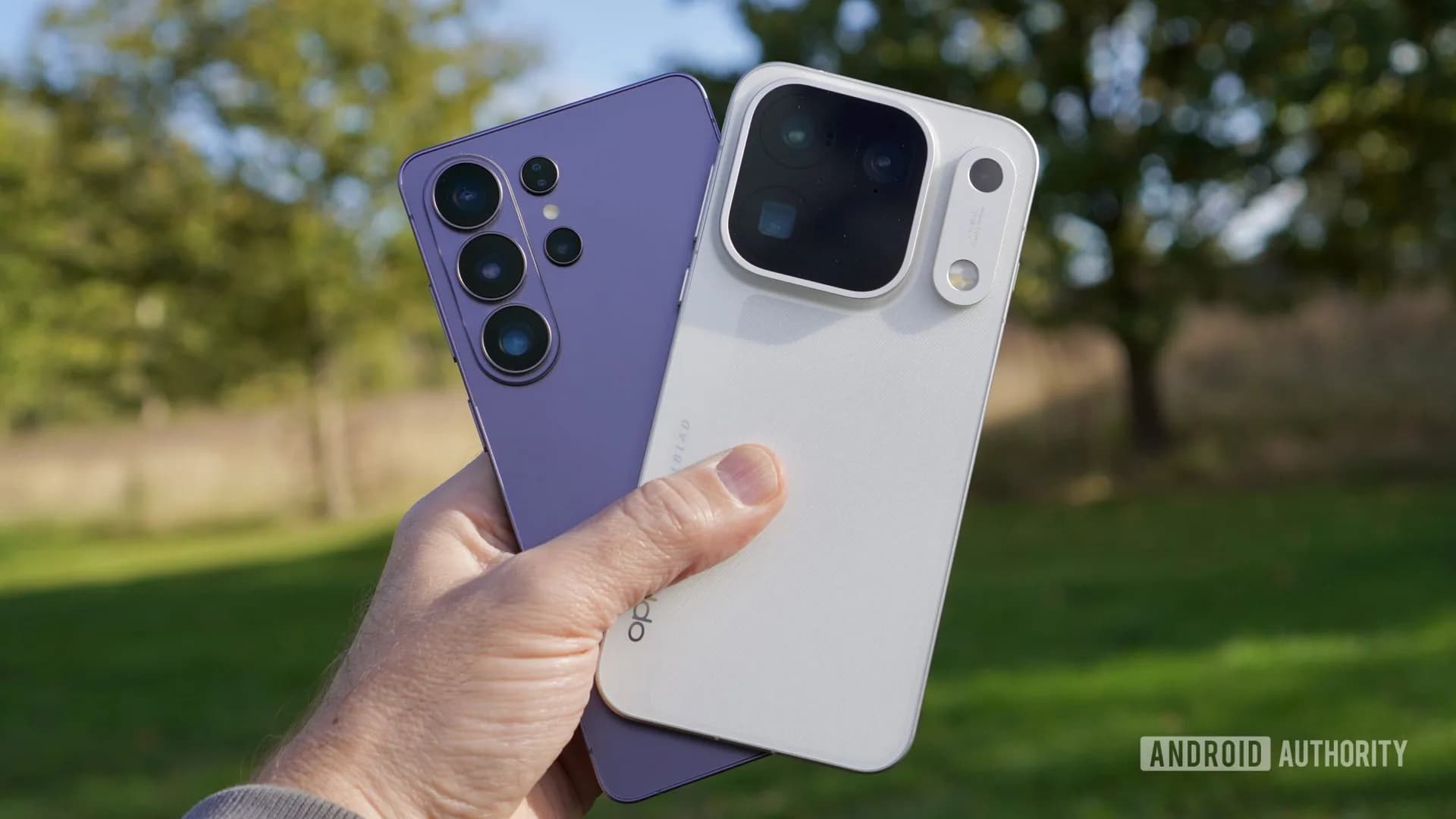
Android Authority tested the Galaxy S26 Ultra and Oppo Find X10 Pro Max cameras side by side. The Oppo phone's three 200MP sensors beat Samsung's single main camera in most shots, the reviewer found, though Samsung still leads after dark.

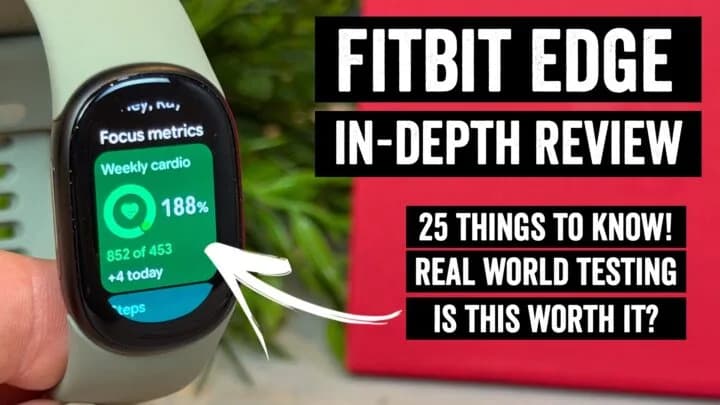
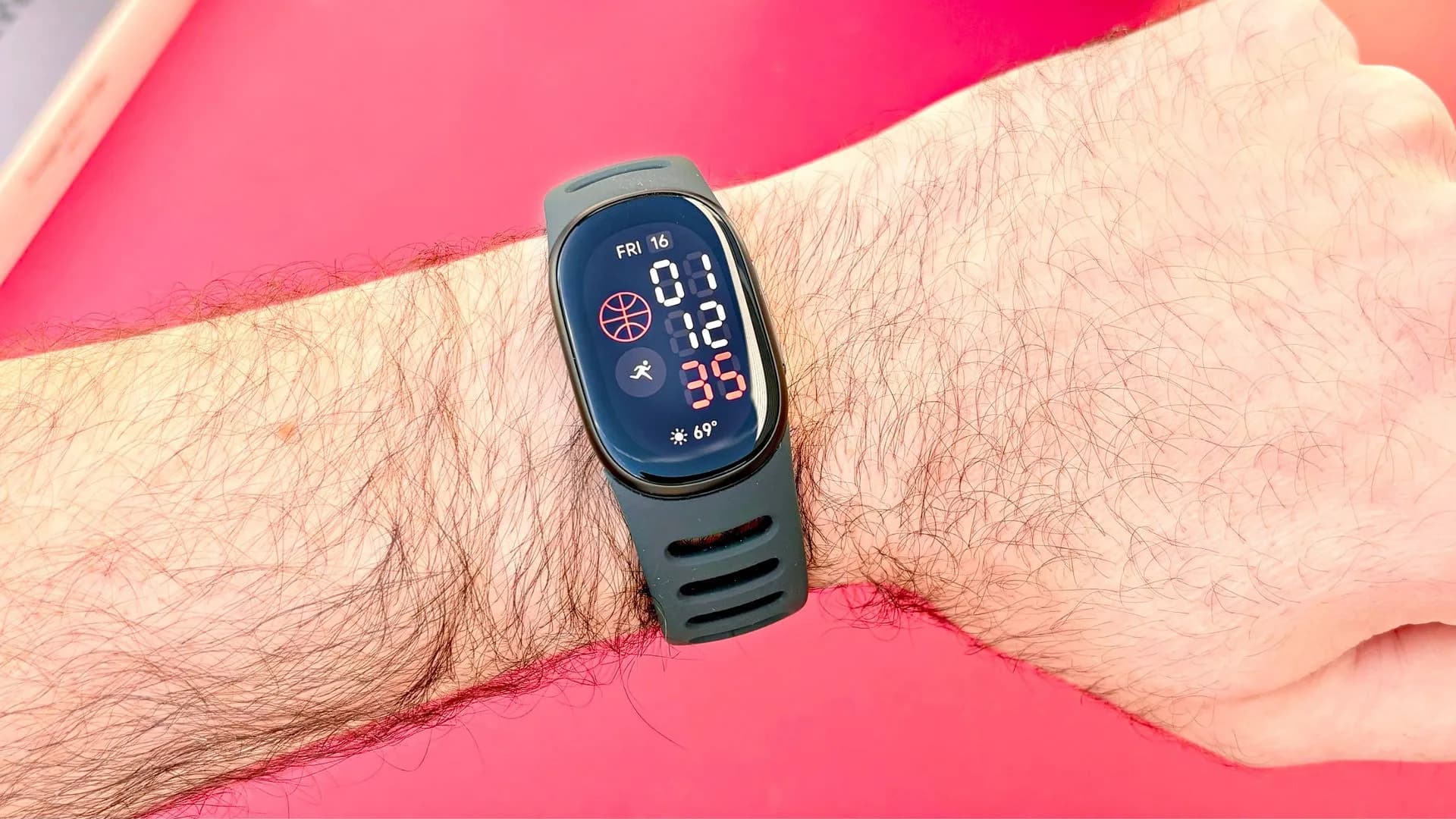
DC Rainmaker's in-depth review of the Fitbit Edge, successor to the Charge 6, found a larger screen, a more accurate GPS chipset and a user-replaceable battery, but no more NFC payments.

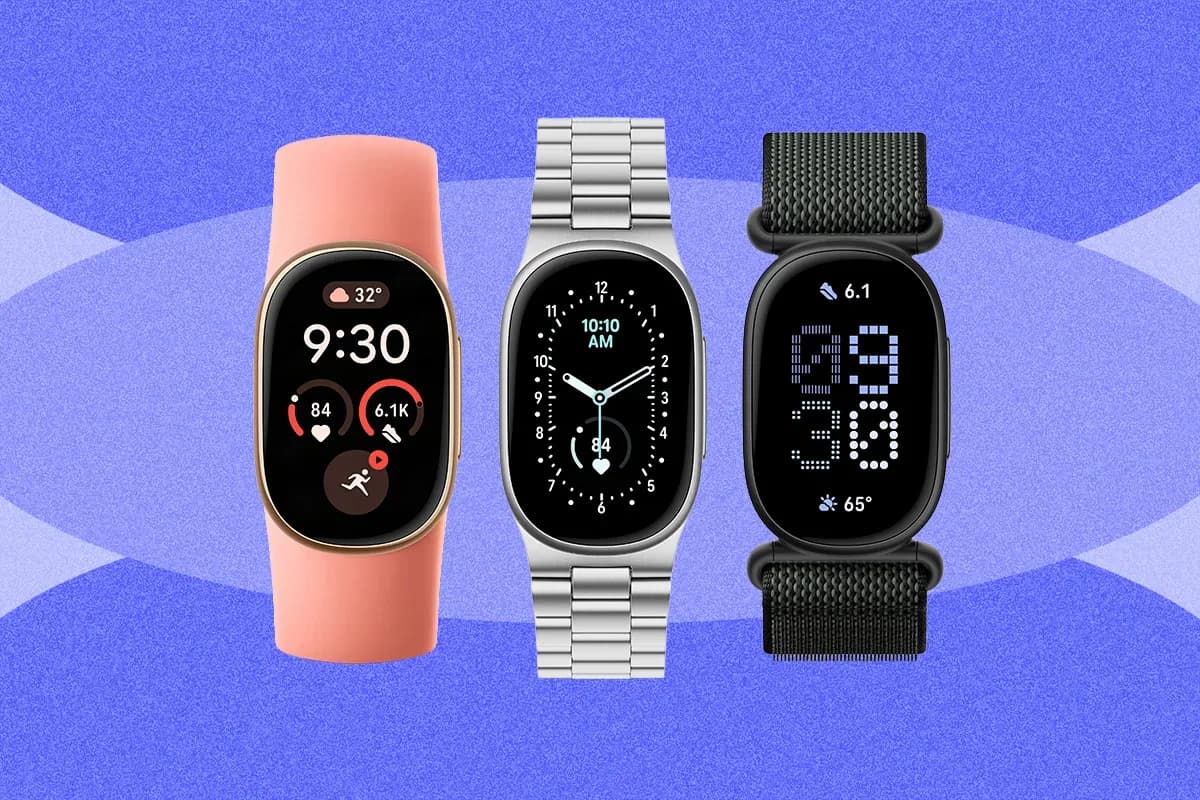
Wired's review of the new $180 Fitbit Edge says it beats the Charge 6 on health features and battery life, but the reviewer still prefers the cheaper, screenless Fitbit Air.

Google's 2026 Fitbit Edge replaces the Charge 6 with a bigger AMOLED screen, onboard GPS and altimeter, and a $179 price, but early reviews disagree on how polished the software feels.

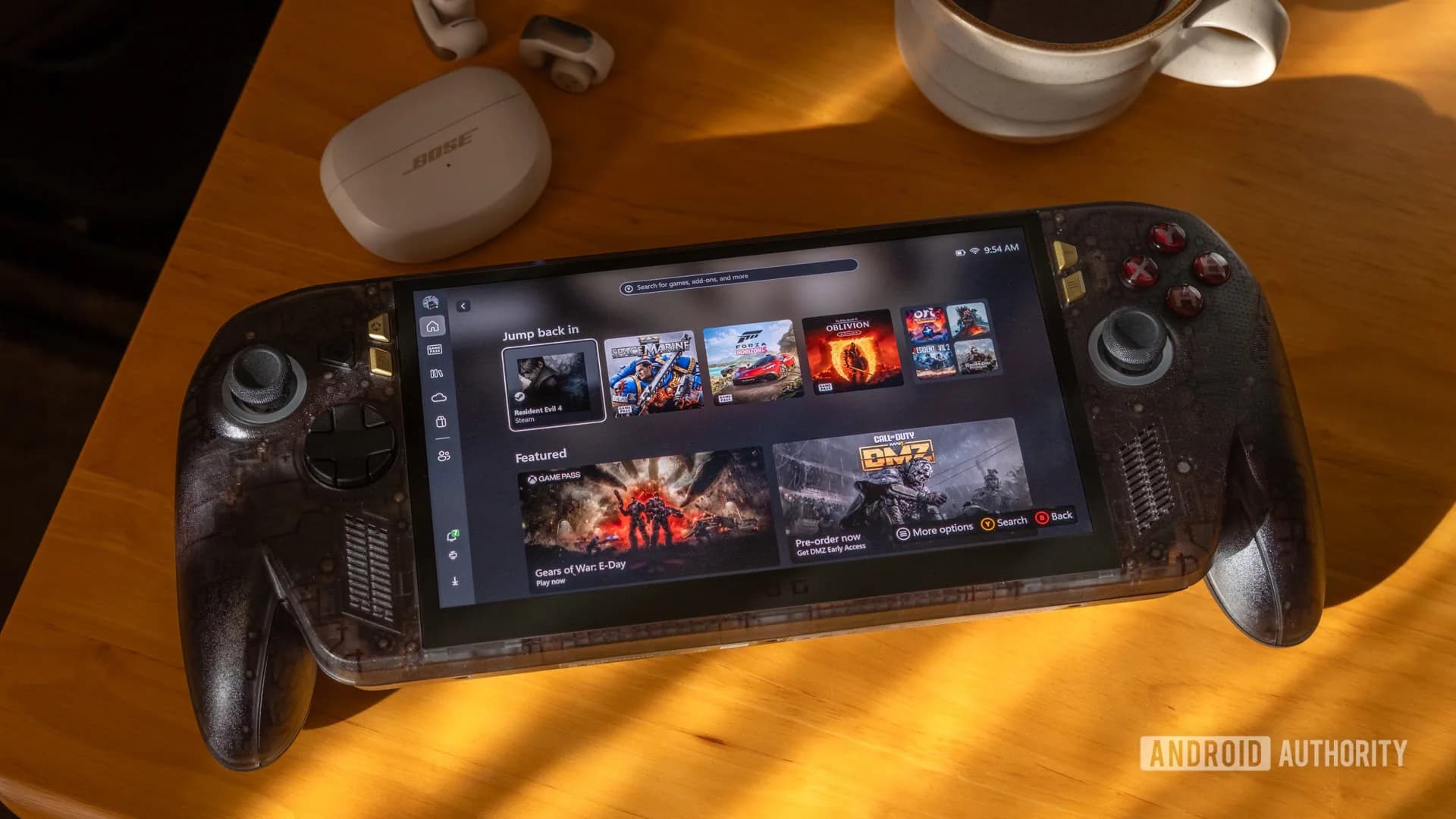
ASUS and Microsoft's priciest Xbox Ally handheld yet pairs an OLED display and new controls with last year's chip and RAM, according to a review from Android Authority that tested the $1,300 device for two weeks.

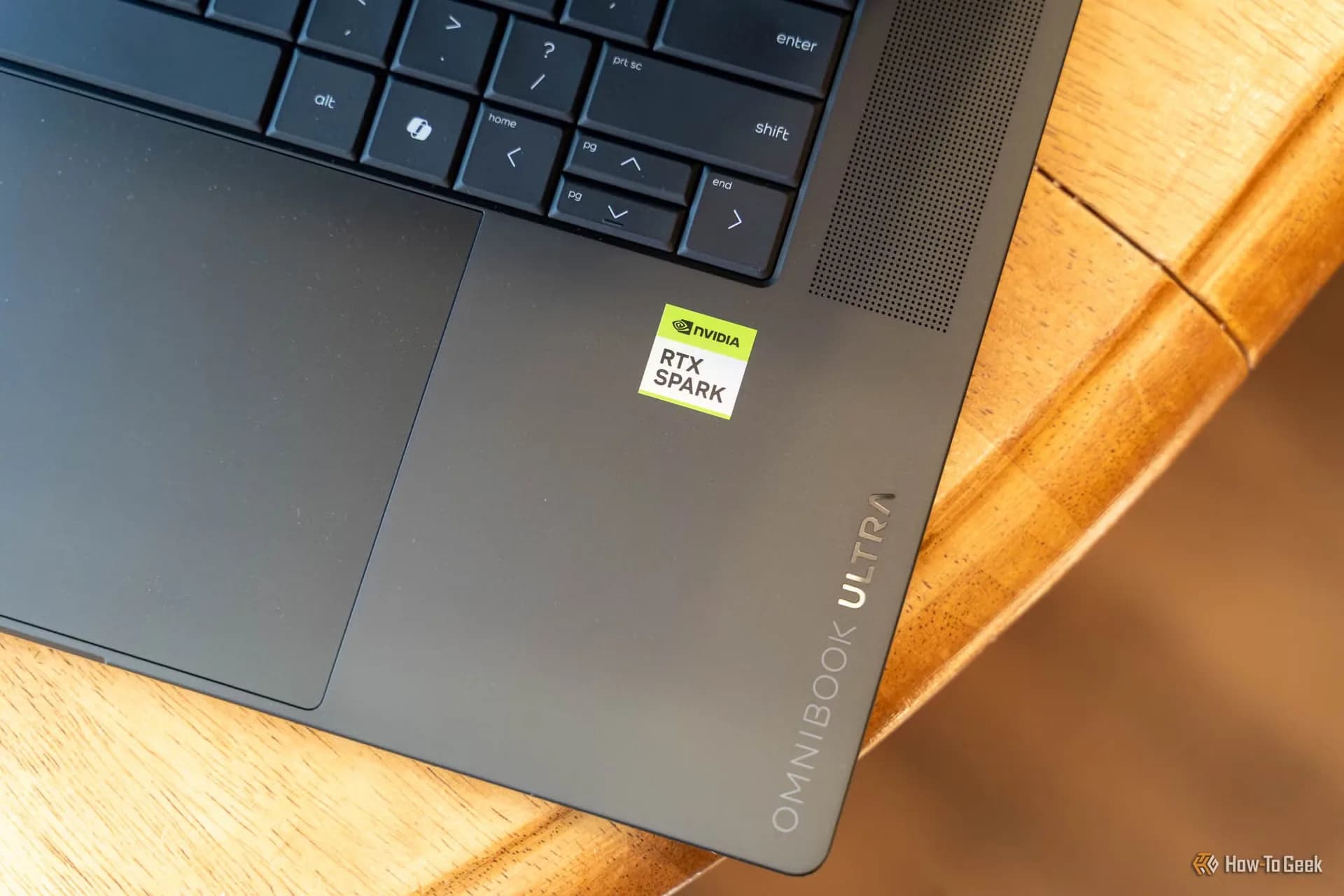
A How-To Geek review of HP's $3,200 OmniBook Ultra 16 RTX Spark praises its OLED screen, keyboard and gaming benchmarks, but says the base 32GB memory configuration can't reliably run the local AI models NVIDIA is pitching the chip for.

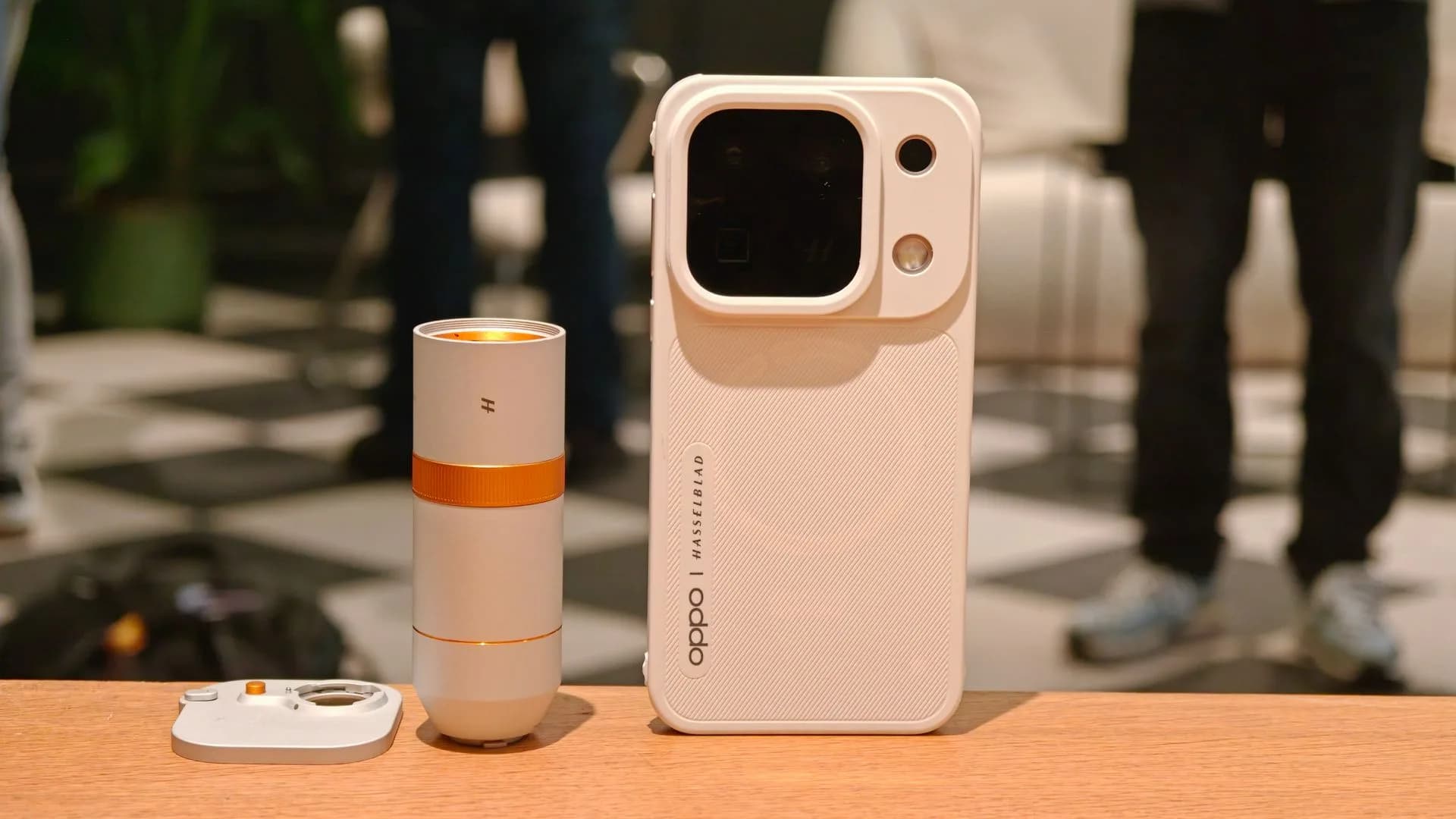
Early reviews of Oppo's global flagship, the Find X10 Pro Max, single out its triple 200MP camera system and 8,000 mAh battery, though outlets disagree on how far its new MediaTek chip actually moves the needle.
Digit Test Labs pitted the Google Pixel 11 Pro Fold against the Vivo X Fold 6, two foldables priced close to Rs 2 lakh in India, and found neither one wins everything: Google takes displays, Vivo takes performance.

Wired's refreshed folding phone guide names the $1,900 Galaxy Z Fold8 and Apple's debut $1,999 iPhone Duo as top picks, with Motorola's Razr Ultra leading flip phones on battery and design.

Tom's Guide's review of Amazon's new Alexa Tablet 12 Pro, a $499 Android slate replacing the Fire tablet line, calls out its aluminum build, 12-inch display and Alexa+ features, though Android's reliability draws a caveat.

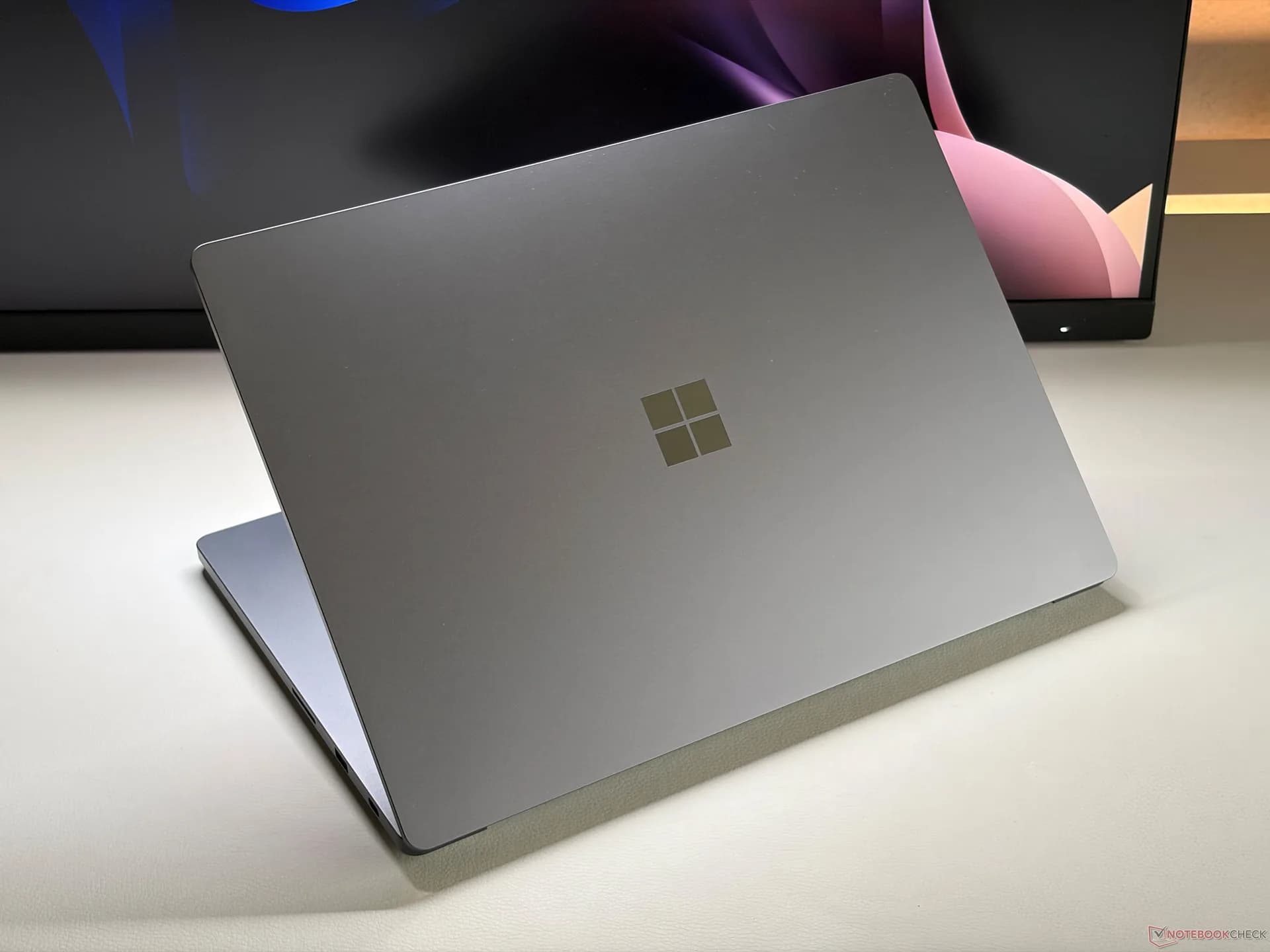
Notebookcheck's review of Microsoft's new Surface Laptop Ultra, one of several RTX Spark laptops unveiled last week, finds a bright but flawed Mini-LED panel, solid build quality, and only average battery life.

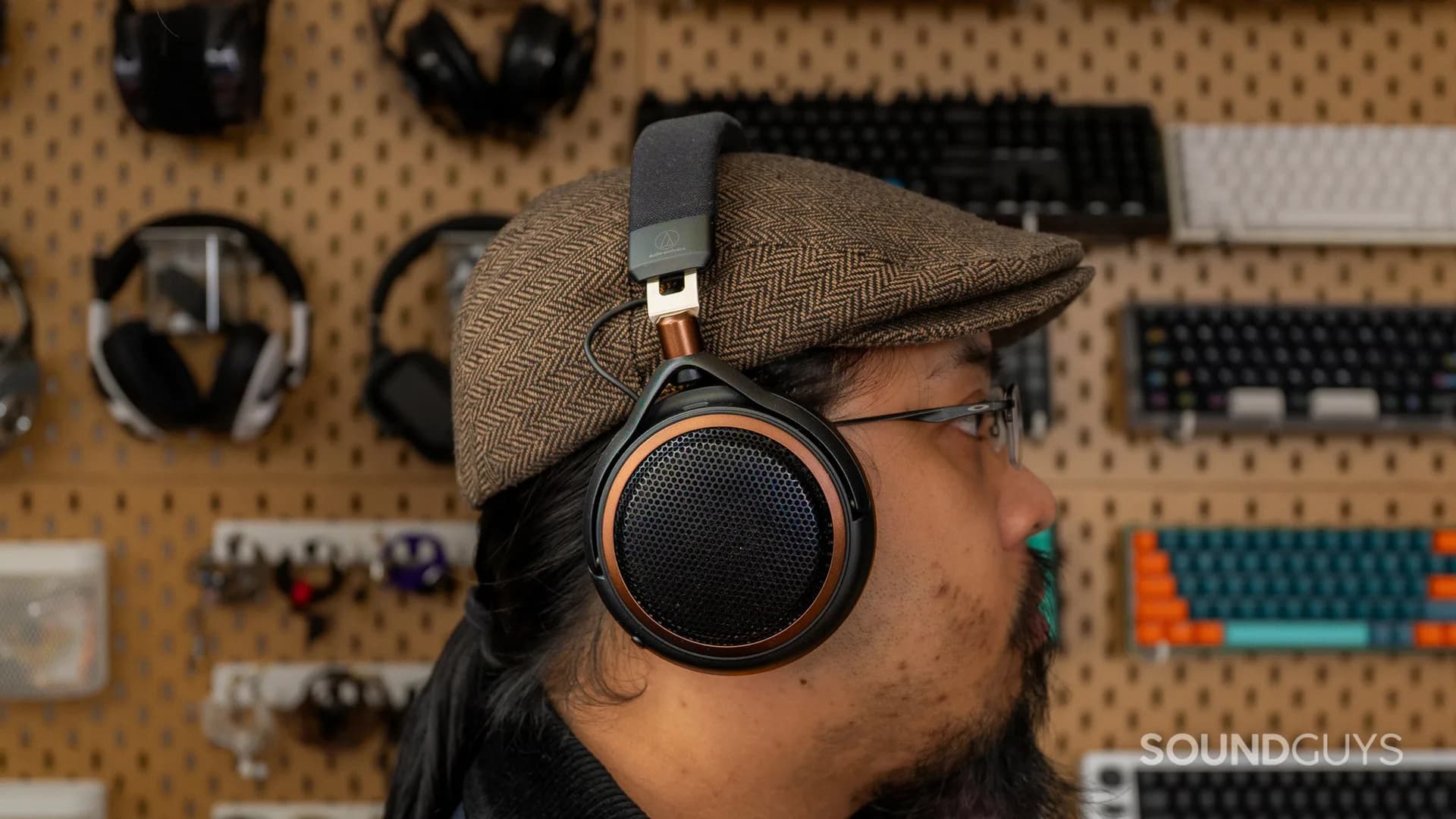
SoundGuys reviewed the Audio-Technica ATH-AL5NC, open-back wireless headphones with noise reduction and leakage reduction, finding quieter surroundings, strong battery life, and some rough edges in sound tuning and app controls.

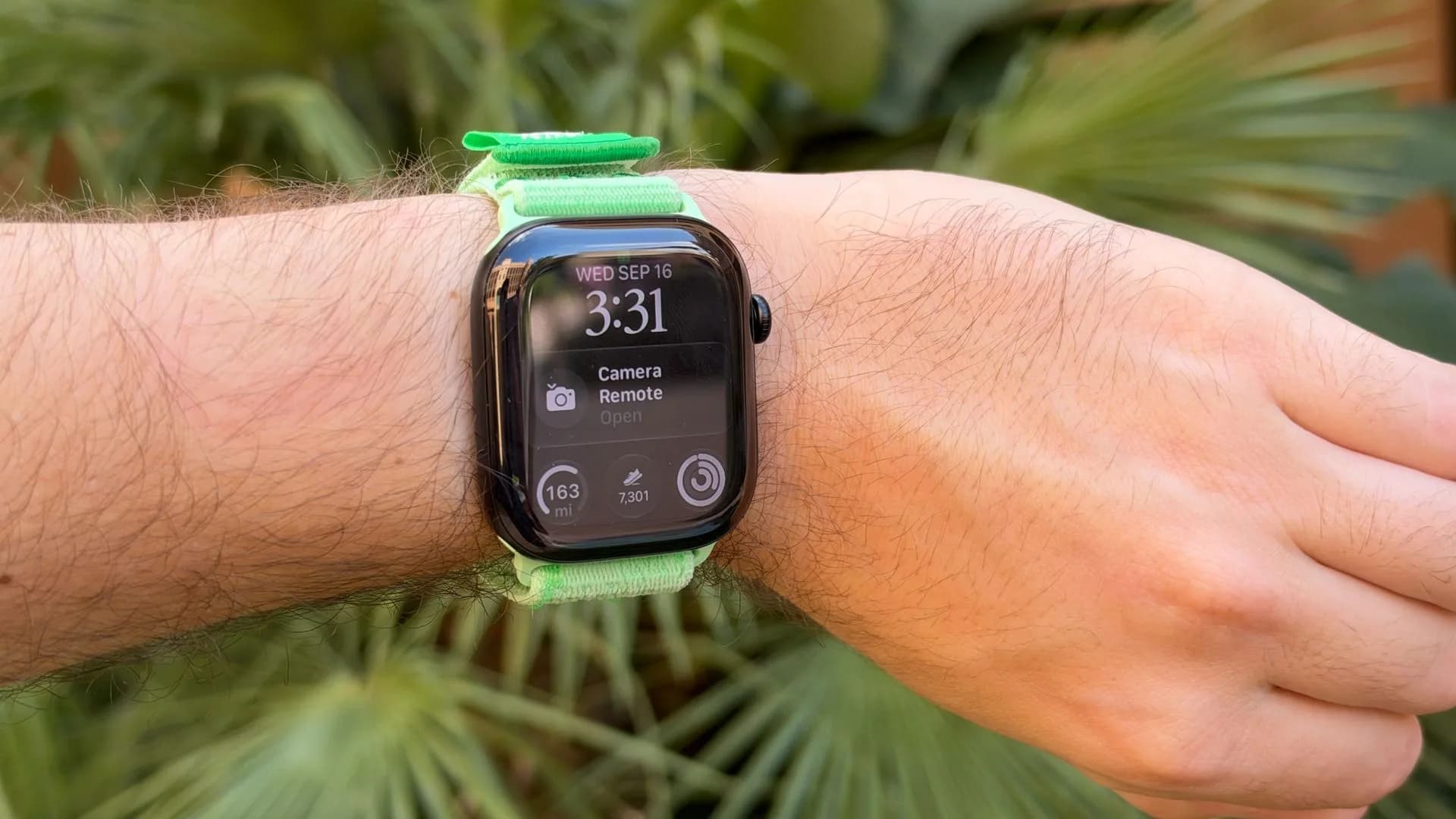
A TechRadar review of the Apple Watch Series 12 praises its new Readiness Score and upgraded health sensors but finds little reason to upgrade from a Series 10 or 11, since the design barely changes and Apple's AI features aren't ready yet.

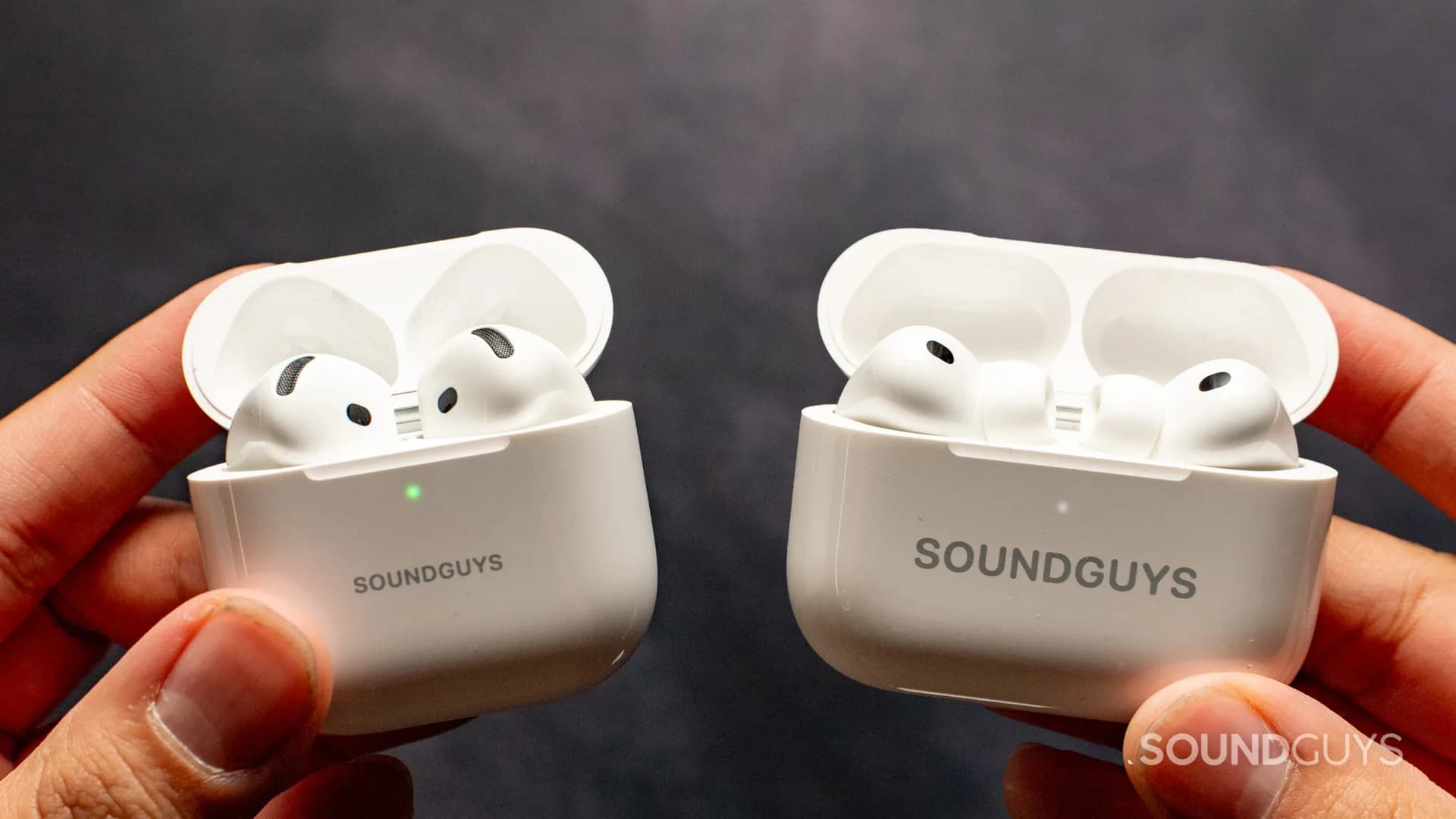
SoundGuys tested both the AirPods Pro 3 and AirPods 5 and found the Pro model ahead on noise cancelling, bass and battery life. The decision mostly comes down to whether ear tips bother you.

PCMag's refreshed iPhone buying guide picks the iPhone 17 as the best all-around choice, hands the iPhone 18 Pro Max a battery-life award, and folds in Apple's first foldable, the iPhone Duo, starting at $1,999.

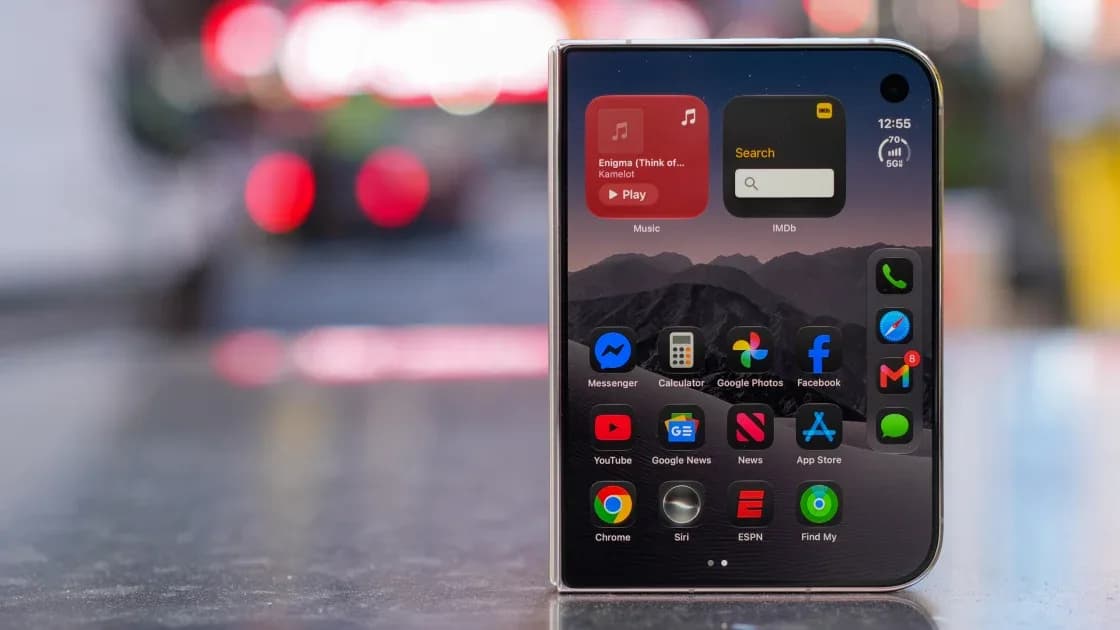
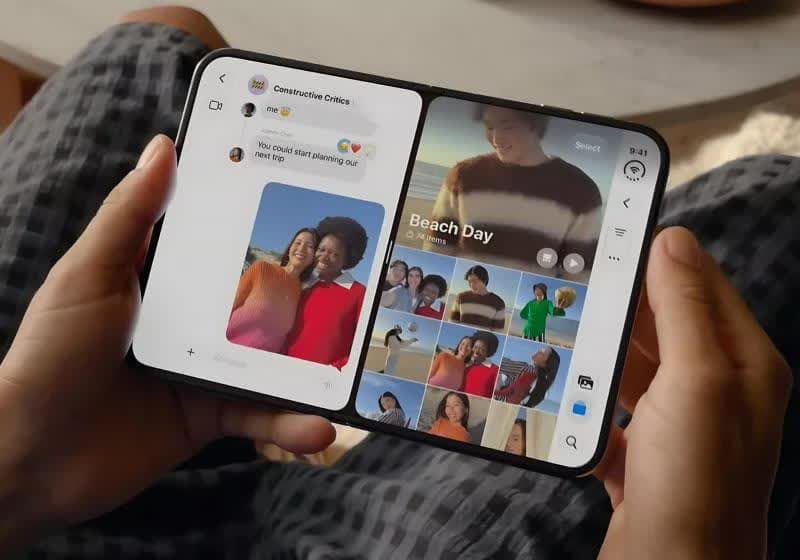
Early reviews of Apple's first foldable, the iPhone Duo, call it the best-built foldable yet at $2,000, though reviewers flag its weight, missing telephoto camera and apps that still need updating for the new screen.

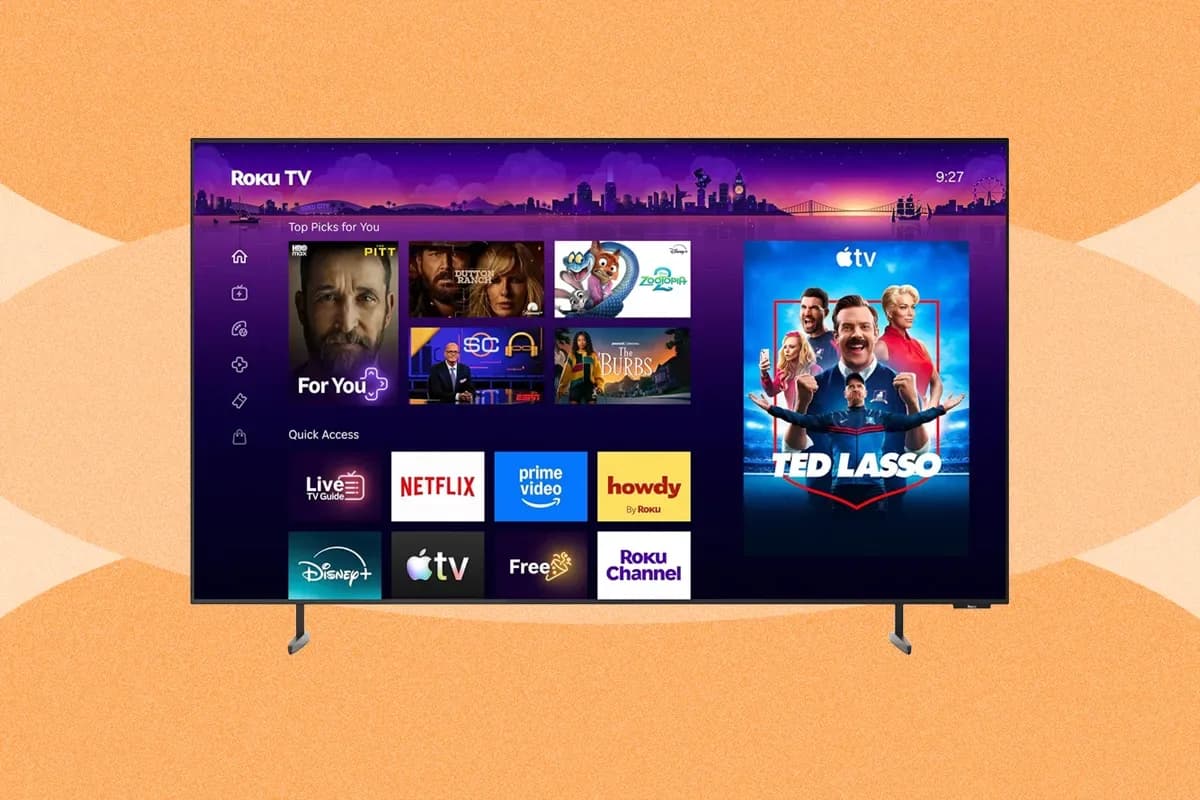
Roku's debut OLED TV, the Pro Series OLED, starts at $1,000 for 55 or 65 inch sizes. Wired's review found strong color and contrast but weaker brightness than pricier rivals, plus Wi-Fi 5 instead of a newer standard.

The Surface Laptop Ultra’s 2000-nits Mini-LED panel has no local dimming, suffers ghosting, and delivers washed-out blacks — despite peak brightness that rivals the MacBook Pro 16 and Yoga Pro. $4,299 gets you 20-core RTX Spark N1X, 64 GB RAM, and a premium metal chassis — but also wobbly hinges, no SD-Express, and a magnetic charger that blocks USB-A.

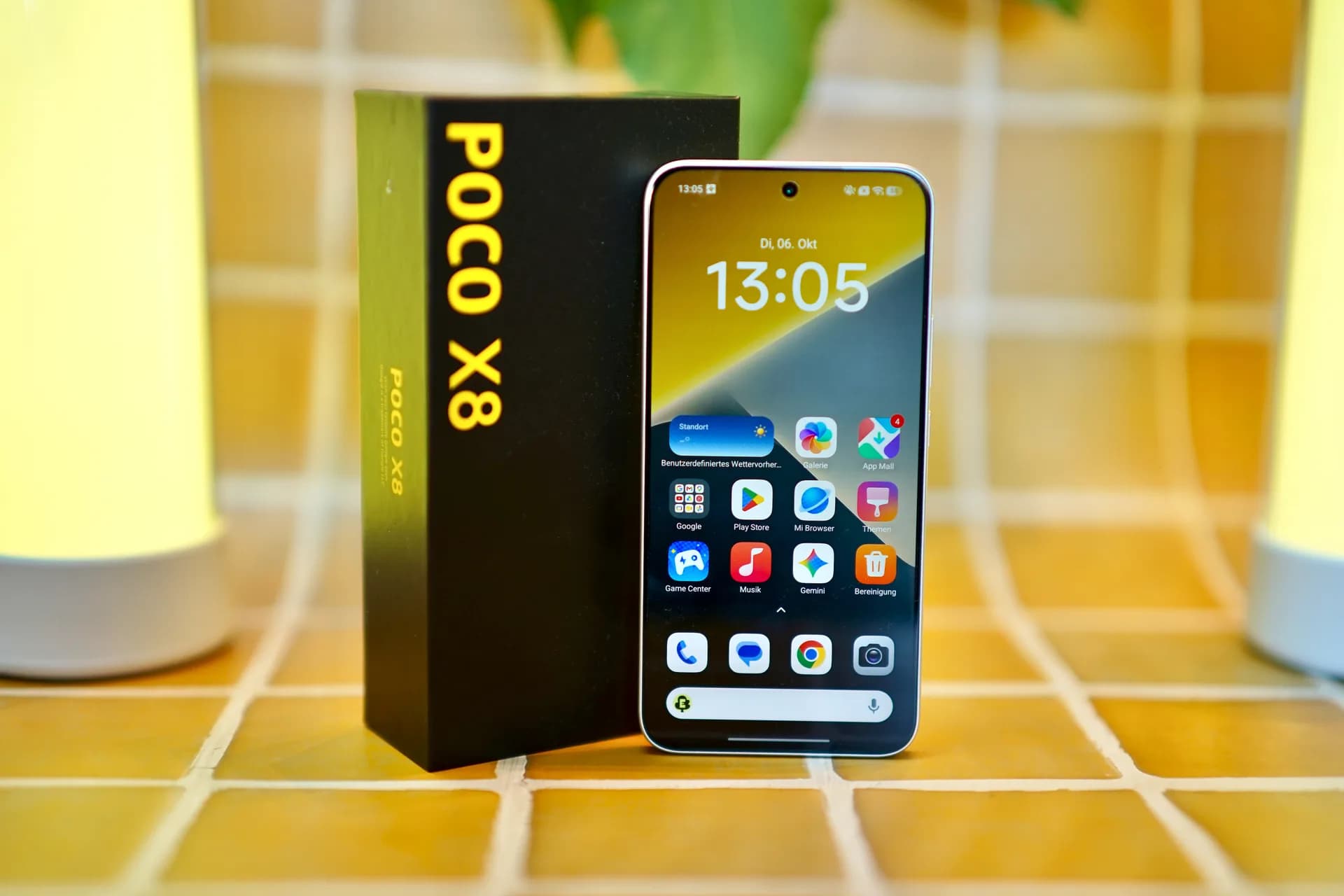
Xiaomi Poco X8 is live: $340, IP69K-rated, Android 16 with six-year security updates — but no eSIM, no Wi-Fi 7, and one camera that struggles in the dark.