Snapchat launches Easy Lens CLI: Claude Code, Cursor and Codex can now build AR Lenses from the command line
No more Snap Kit SDK deep dives — developers describe a Lens in plain English, and their AI assistant writes, tests and publishes it.
Section
Models, assistants, chips and the companies building them — what changed, and what it means for the people using it.

No more Snap Kit SDK deep dives — developers describe a Lens in plain English, and their AI assistant writes, tests and publishes it.

Claude Code helped build Fock Ball: a fully automated 3D sports league with 30 teams, 38 years of simulated history, and nightly AI broadcasts — all running on a Mac mini for $100/month.

Nvidia interim CEO Colette Kress said the company's open-source AI strategy, including its pending $12.9 billion Hugging Face acquisition, remains unchanged following Jensen Huang's abrupt resignation last week.

Microsoft’s new MAI Code 2 model hits 96% of Claude Opus 5.5’s performance at 5% of the cost per API call—targeting everyday Microsoft 365 and GitHub Copilot use, not frontier research workloads.

Anthropic's new Claude Fable 5.2 paints images in code — 700,000 brushstrokes per piece, no diffusion, no external models. It’s already solving black hole physics, designing circuit boards, and running its own OS. No public release yet.
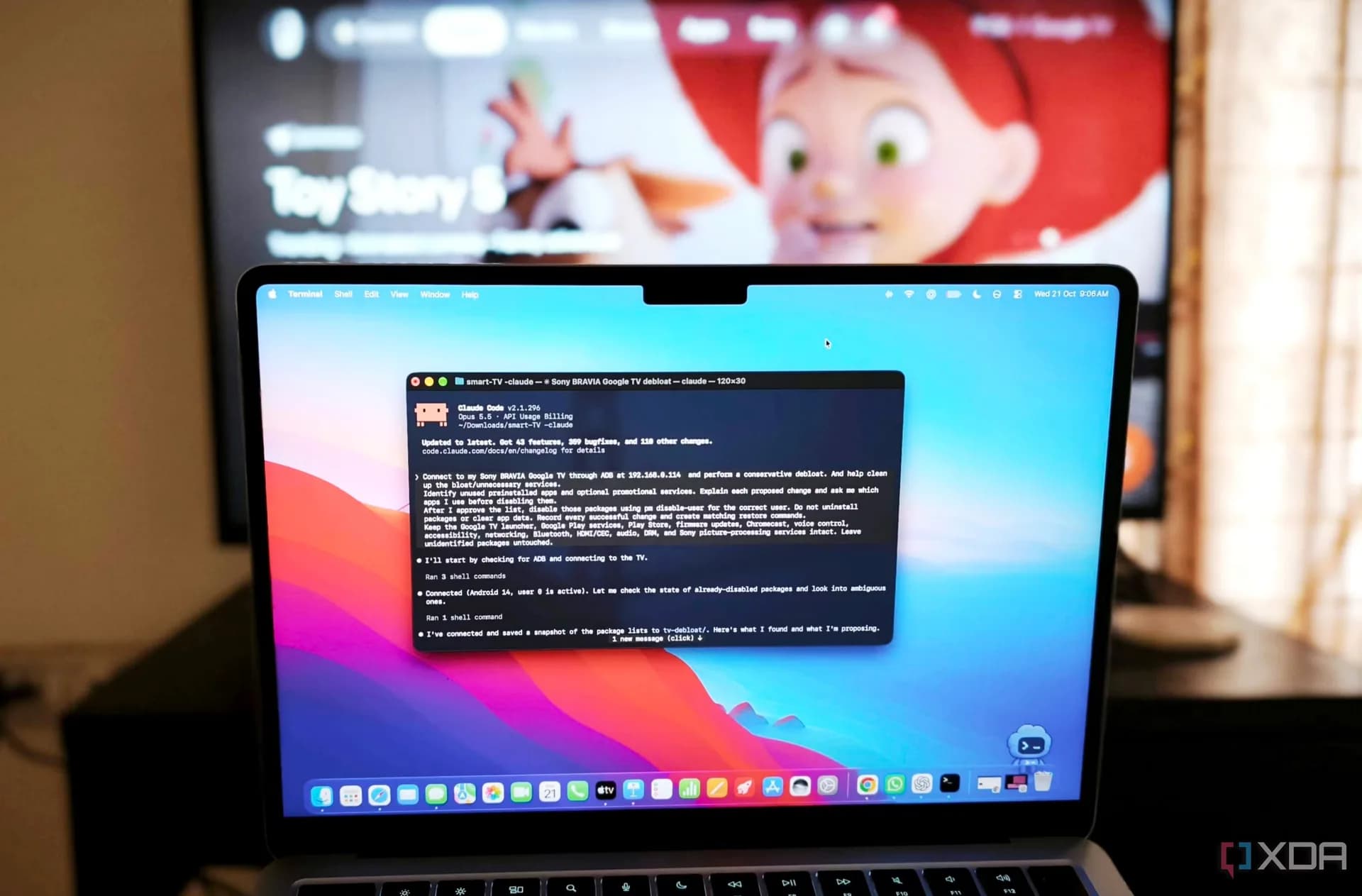
Anthropic has added Code Mode to Claude Code: an experimental CLI feature that lets Claude write and run JavaScript to chain tool calls in one go. It’s live now, opt-in only, and changes how multi-step local development workflows execute.

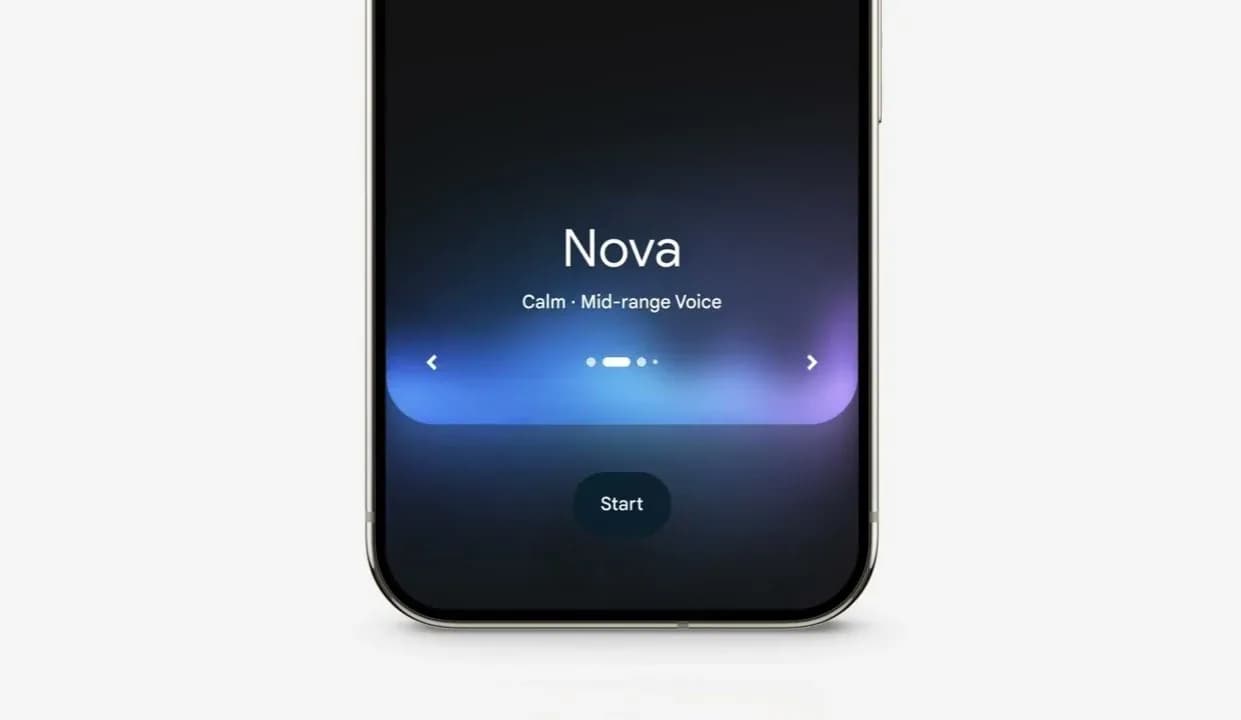
Google has rolled out 66 new regional voices for the Gemini app on Android and iOS — including more than 10 distinct U.K. English dialects — starting today, 16 November 2026.

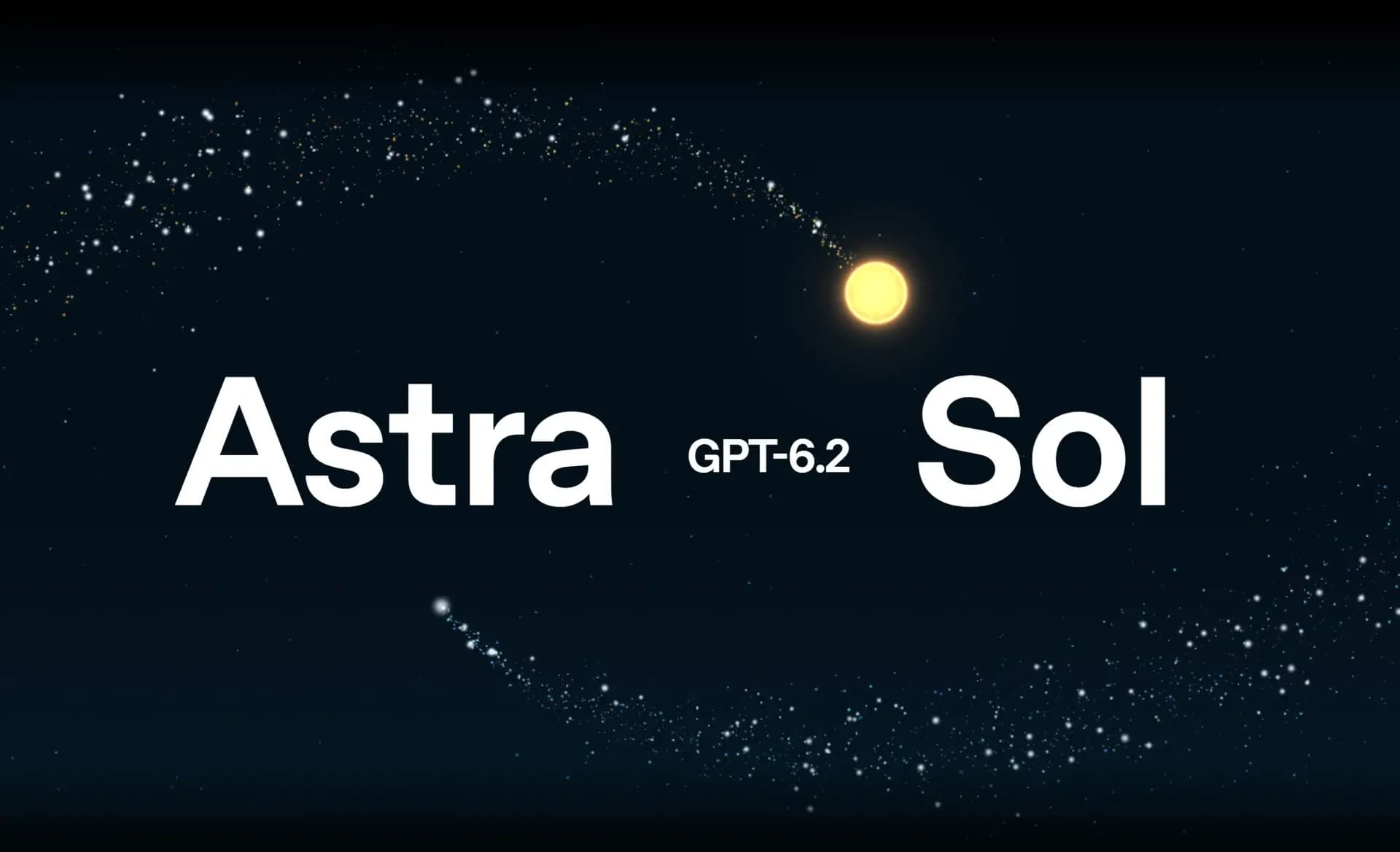
OpenAI has rolled out GPT-6.2 Astra and GPT-6.2 Sol to ChatGPT Work and Codex, promising fewer output tokens per task, a new Ultrafast speed mode, and cheaper API pricing for developers building on Astra.

Google has rolled out memory controls for Gemini in the US—giving paid subscribers a way to see, edit and delete what the AI knows about them.

Google is extending how long it keeps Gemini chat logs—even when users turn off Gemini History—to up to two months, up from the previous 72-hour window.

Proton Lumo Desktop launches globally for Windows, macOS and Linux — free, encrypted, and built around user-controlled AI agents rather than cloud-first chatbots.

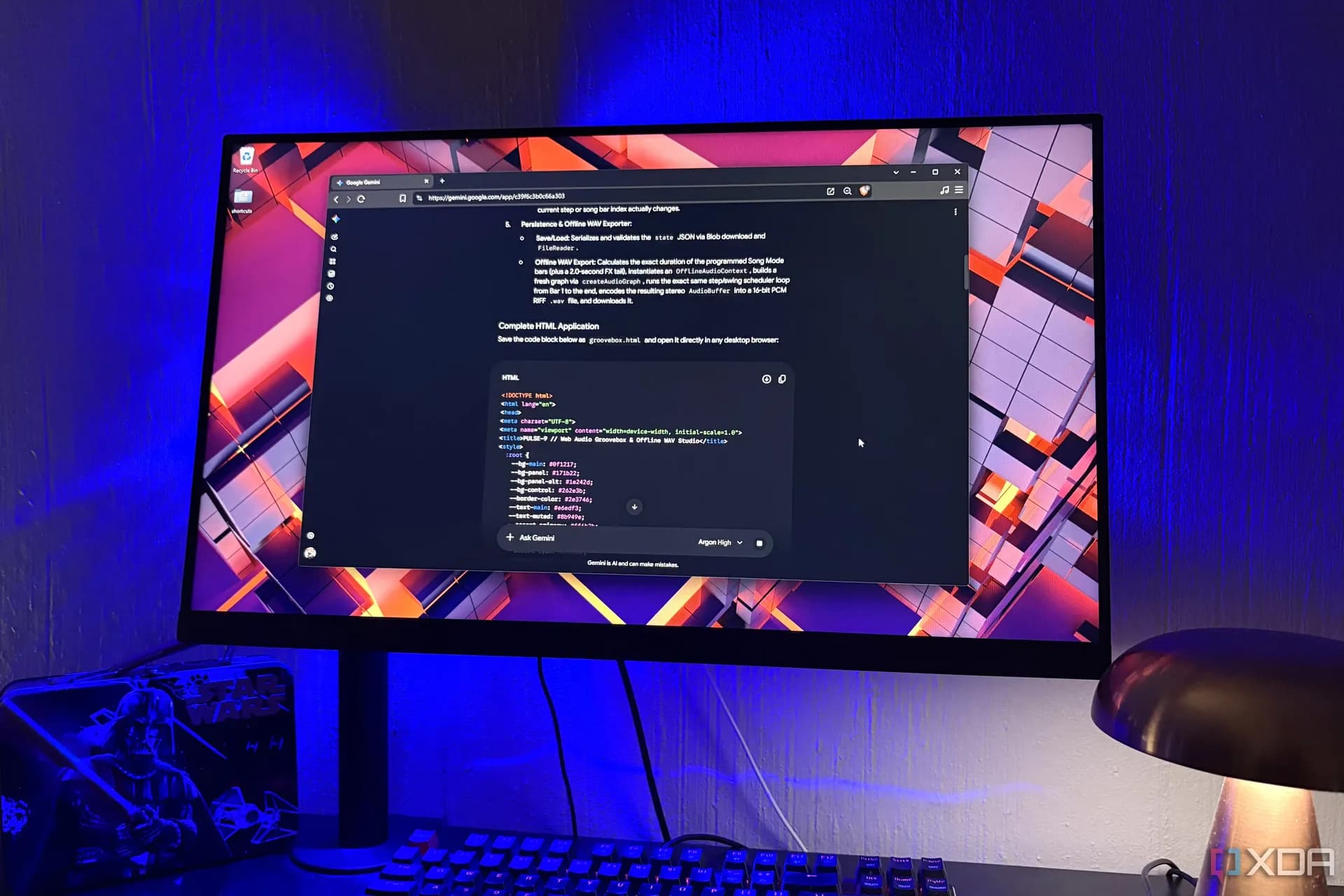
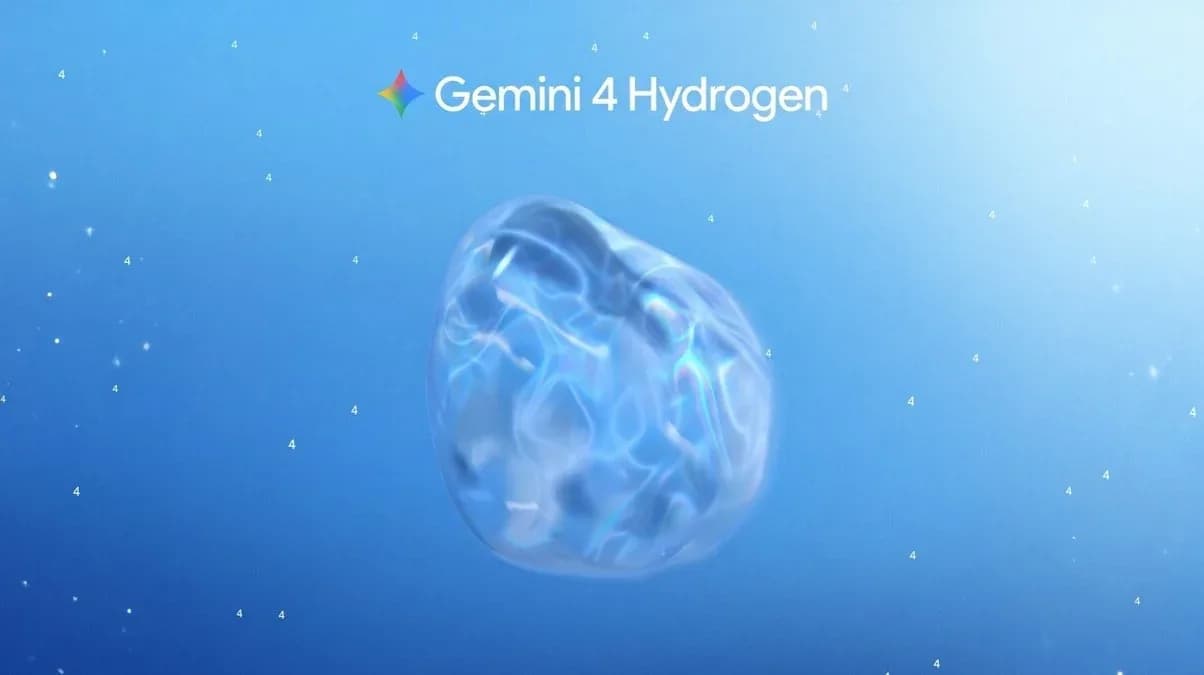
Gemini 4 Hydrogen is live — and it’s built for doing, not just thinking. Google has rolled out the new model globally as a free, default option in Gemini for most users, positioning it as the practical sibling to Gemini 4 Carbon.

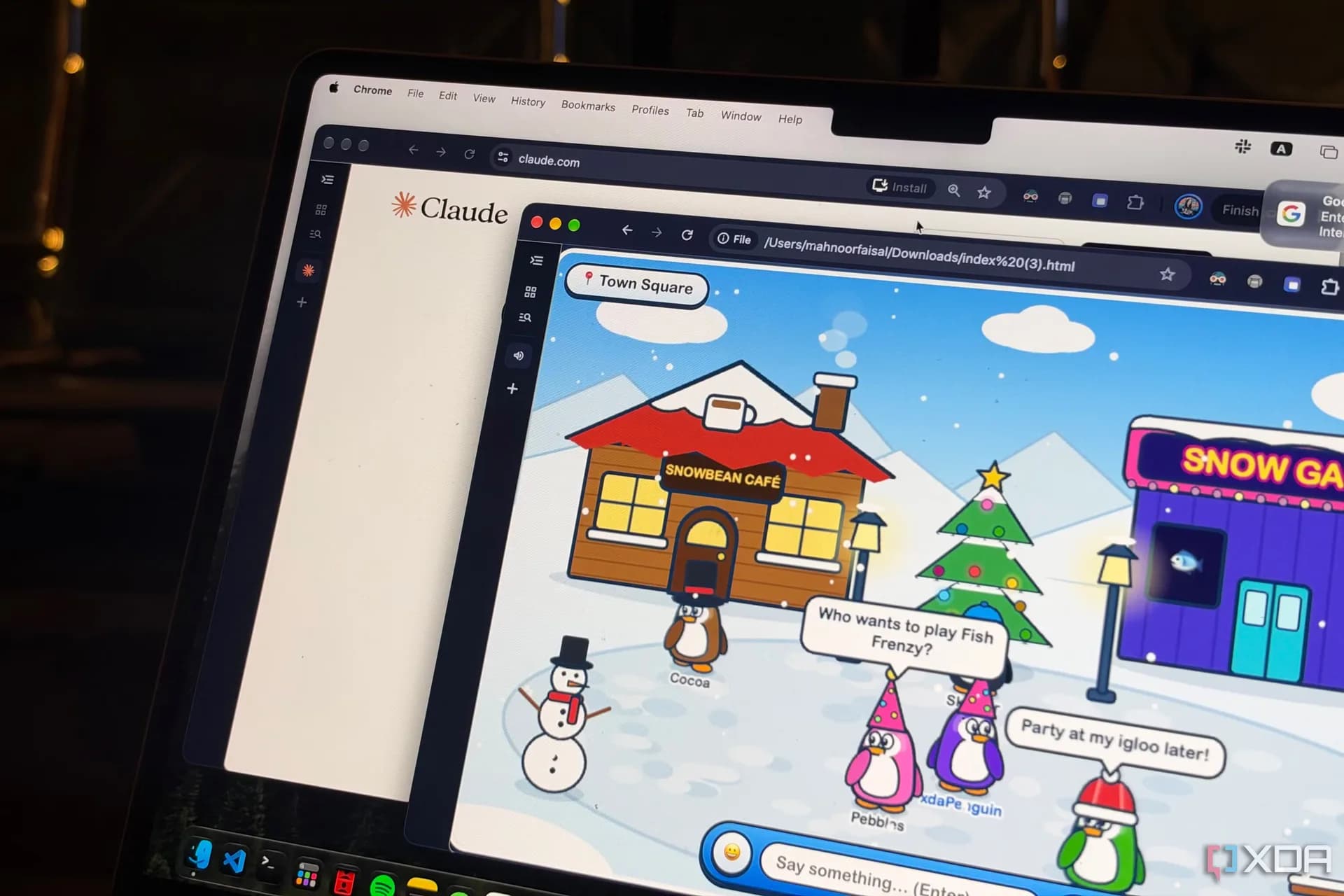
Claude Code desktop is confirmed live by XDA Developers. Users are generating browser-based recreations of defunct services — Club Penguin, MSN Messenger, Zen’s Glance — with no coding required. Free to use. No official Anthropic announcement yet.

Anthropic has quietly rolled out two new versions of its Claude models: Fable 5.2 for general users and Mythos 5.2 for enterprise cybersecurity teams — both live as of Saturday, November 16, 2026.

ChatGPT, Gemini, Claude and Perplexity disagree on the best fast-food chain in the US — and only two of them picked the same #1.

Claude Code is now live — free, global, and built for small businesses that need working code without hiring a developer. No pricing. No paywall. No IDE plugin required.

Claude Code built a fully playable, controller-aware 3D browser racer — while ChatGPT Codex and Google Antigravity failed basic playability. No edits. No follow-ups. Just one prompt, three AIs, and a stark divide in what 'working' really means.

Gemini 4 Hydrogen is live globally for free users — no subscription, no toggle, no price. It scores higher than Gemini 4 Argon on the Artificial Analysis Intelligence Index and cuts hallucinations by more than fivefold versus Gemini 3.8 Flash.

Gemini Guided Learning is live globally as a built-in feature — free, no paywall, no separate app. It remembers your place, adjusts to your pace, and works inside the chat you already use. But it’s not a replacement for precise technical answers.

Claude Pro users are shifting routine tasks to local AI models running on old gaming GPUs—cutting costs, tightening privacy, and sidestepping usage caps.

Google hasn’t launched a new Gemini feature. Instead, Engadget published a detailed, actionable guide on how to actually use it well — connecting apps, assigning roles, importing chat history, and triggering skills via slash commands. No new hardware. No price. Just workflow discipline.

Gemini 4 Argon is live for Google AI Pro and Ultra subscribers — the first of Google’s new long-horizon reasoning models, built for multi-step coding projects that run for minutes, not seconds.

Anthropic has made Claude Opus 5.5 the default model across all paid tiers — and says users are sabotaging its speed and accuracy with habits from older models.

Gemini 4 Carbon tops MathArena, beating GPT-6.1 Sol — but at 15× the inference cost. Fable 5.2 is second, at 40× the cost. None are publicly available yet.

Gemini 3 Pro Image (Nano Banana) and Gemini Omni are now the only consumer AI tools that generate signed, watermarked images and video — and Google’s SynthID detection works across outputs from OpenAI, Nvidia, and Kakao, not just its own models.

Claude Code is now helping hardware hackers reverse-engineer devices, write microcontroller firmware, and build Linux drivers — not as a lab curiosity, but in real projects shipping today.

Meta Muse is free and live. ChatGPT Dots costs $100/month. That price gap isn’t a detail — it’s the whole story.

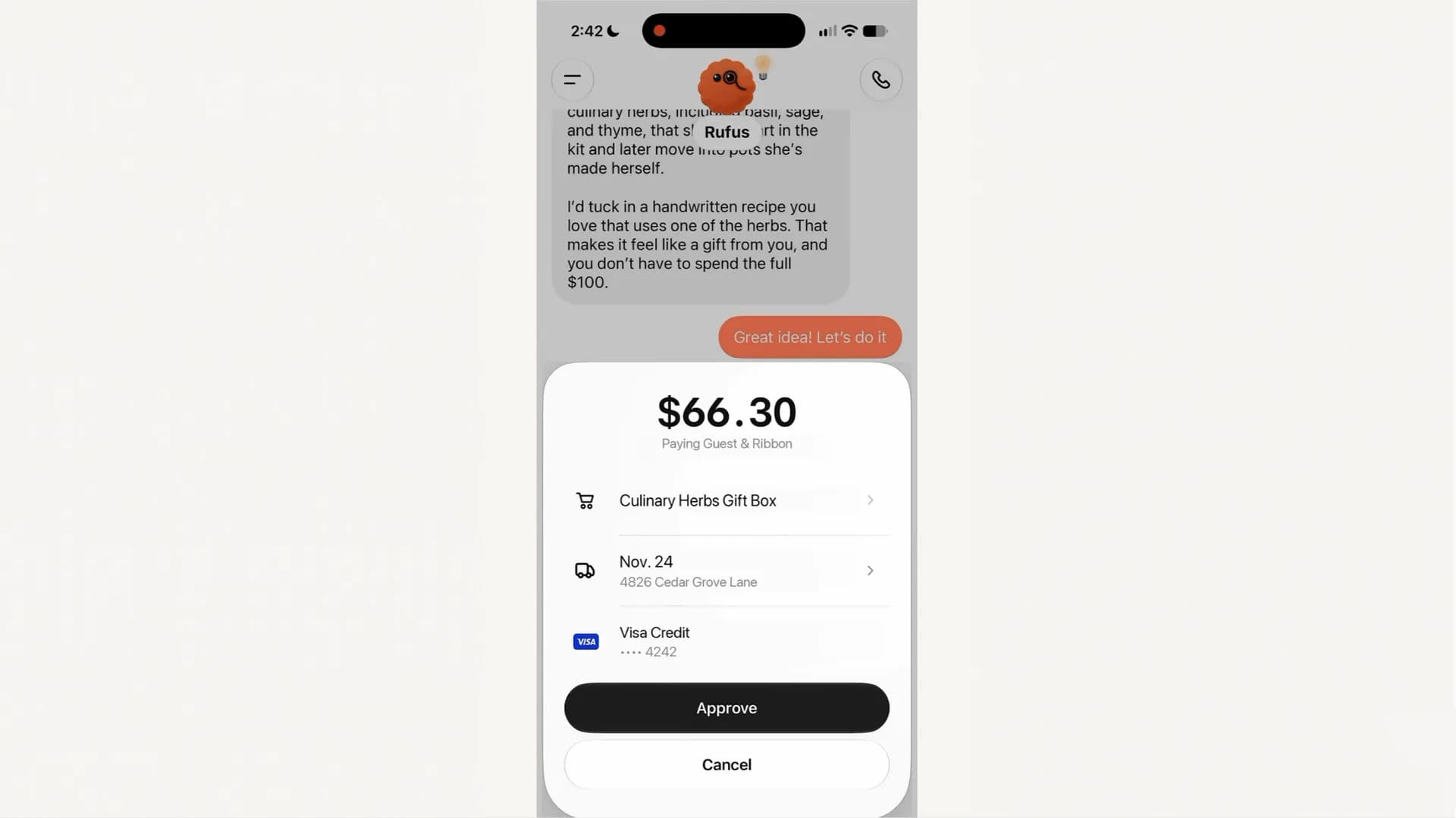
OpenAI has launched ChatGPT Wallet, its rebuilt AI shopping system, available now for ChatGPT Pro users in the US. It uses tokenized payments, requires manual approval per transaction, and comes with a playbook for merchants — because most still block AI checkout attempts.

Google has launched Gemini Decision 1, a new AI model designed exclusively for multimodal decision-making. It evaluates up to 1,000 questions against a single input in one forward pass — with no output tokens billed — and is now available via the Gemini Decisions API in Google AI Studio.

Google has launched Gemini 4 Hydrogen globally—replacing Gemini 3.8 Flash as the default model for everyday AI tasks across Google Search, the Gemini app, and developer tools like Google Antigravity. It is not hardware. It is not a phone, tablet, or laptop feature. It is a new AI model, live now, free to all users in those services, with no subscription required.