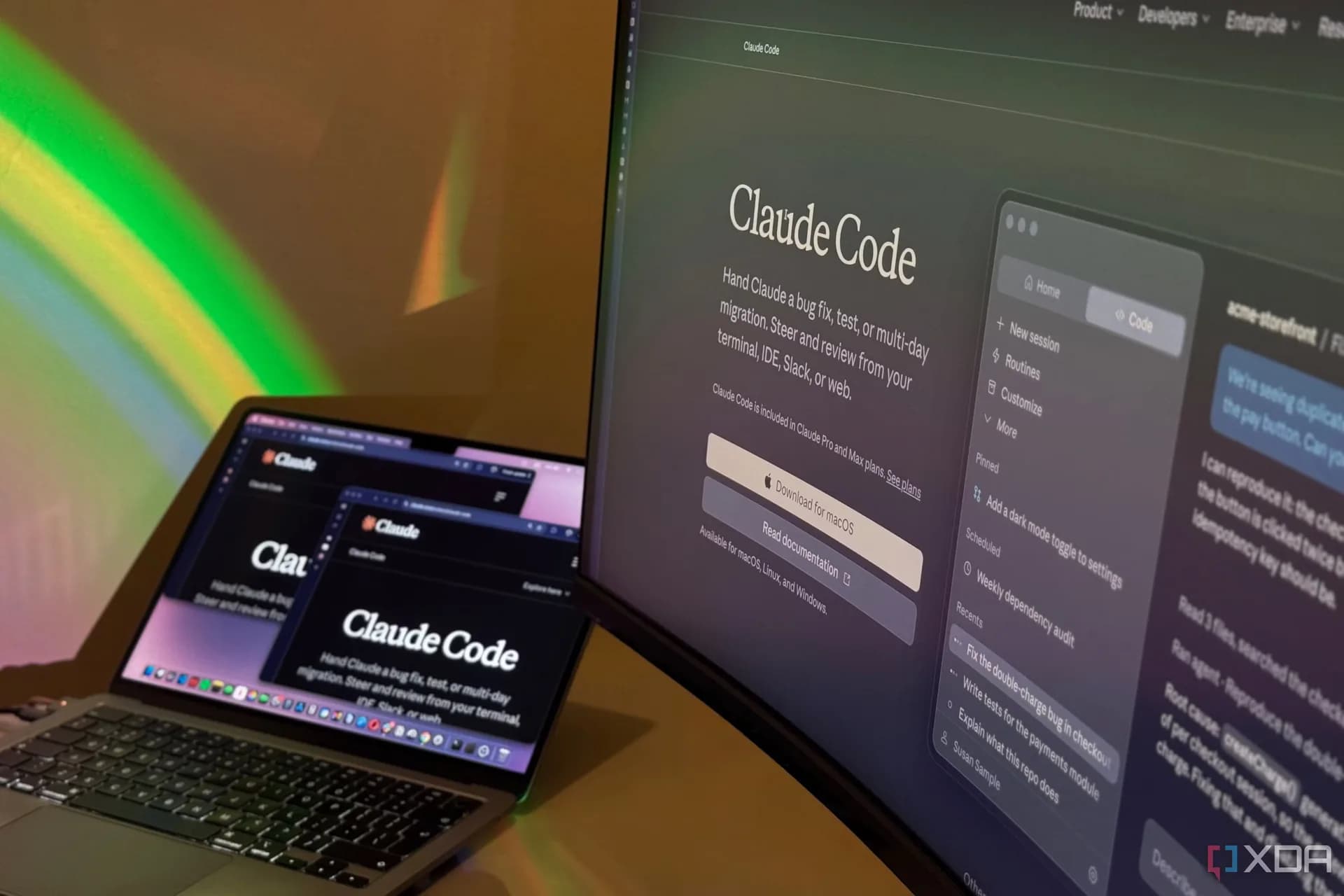
Claude Code isn’t a download. It’s not an app you install. And it’s not, as some Google searches suggest, a standalone AI tool called “Claude AI” or “Claude Code AI” that ships with a.dmg or.exe file. It’s Anthropic’s code-focused interface inside the main Claude web and desktop apps — and one user just used it to turn a chaotic file system into a navigable knowledge map. No new software. No CLI tool. Just prompt engineering, Markdown, and recursion. The XDA Developers report from October 18 doesn’t announce a product launch, a version bump, or a pricing change. It documents a workflow: a developer asked Claude Code, running in-browser. To inspect their home directory, infer meaning from filenames and file contents, and generate a hierarchy of README.md files that act like human-readable, AI-queryable indexes. One master README at the root. Smaller ones in Documents, Desktop, and Downloads. Each describes what things are about, not just what they’re named. Keywords. Relationships. Natural-language search anchors. “Where to find things” sections. A CLAUDE.md instruction file to make future queries start there first. Claude didn’t rename files. Didn’t move them. Didn’t install dependencies or call APIs. It read local files (with user permission), skipped caches and hidden folders, flagged unclear purposes, and built documentation, exactly as instructed. Then it tested itself: five real-world queries like “find the draft of the Android Authority review I wrote last month”. And traced which READMEs led it to the right file. Result? Search time dropped by 96%. Not because indexing got faster. Because the user stopped searching blindly and started navigating context. This isn’t a feature Anthropic shipped. It’s something a user built on top of Claude Code, using its ability to reason over code-like structures (directories, Markdown links, nested hierarchies) and its strict adherence to constraints (“don’t modify files”, “skip secrets”, “verify paths exist”). There is no “Claude Code download” link. No APK. No macOS installer. No pricing tier for “file mapping”. What exists is a capability: an LLM that can treat your filesystem as source material, not just data to be dumped into a chat window. That changes how people might use it. Especially developers, researchers, and anyone drowning in unstructured digital archives. But it doesn’t change the delivery model. Claude Code remains part of Claude Pro ($25/month) and the free tier of claude.ai, with no separate distribution, no SDK, and no offline mode. If you search “claude code download”, you won’t find one. You’ll find prompts. And maybe, soon, shared templates for building your own file maps.
Claude Code download: There isn’t one
There’s no Claude Code app to download — but one user just used it to cut file search time by 96%.
By Model Card
The AI Desk · (2 hours ago)
Reported from
How this story was made
Written by the Hitechreports desk from the reporting credited above, with facts attributed to their original publishers. We do not test devices ourselves; anything about performance, battery life or cameras comes from the outlets that did. Prices are as reported at the time of writing. Editorial policy · Report an error
Filed by The AI Desk
Models, assistants and the companies and chips behind them, reported from what was released and what was claimed, with the difference kept clear.
More from this desk →Read next
More AI →
Anthropic Cuts Claude Reasoning Token Theft by Up to 99% in Distillation Crackdown
Anthropic says it has cut stolen Claude reasoning tokens by up to 99% — a direct countermeasure against industrial-scale model distillation.
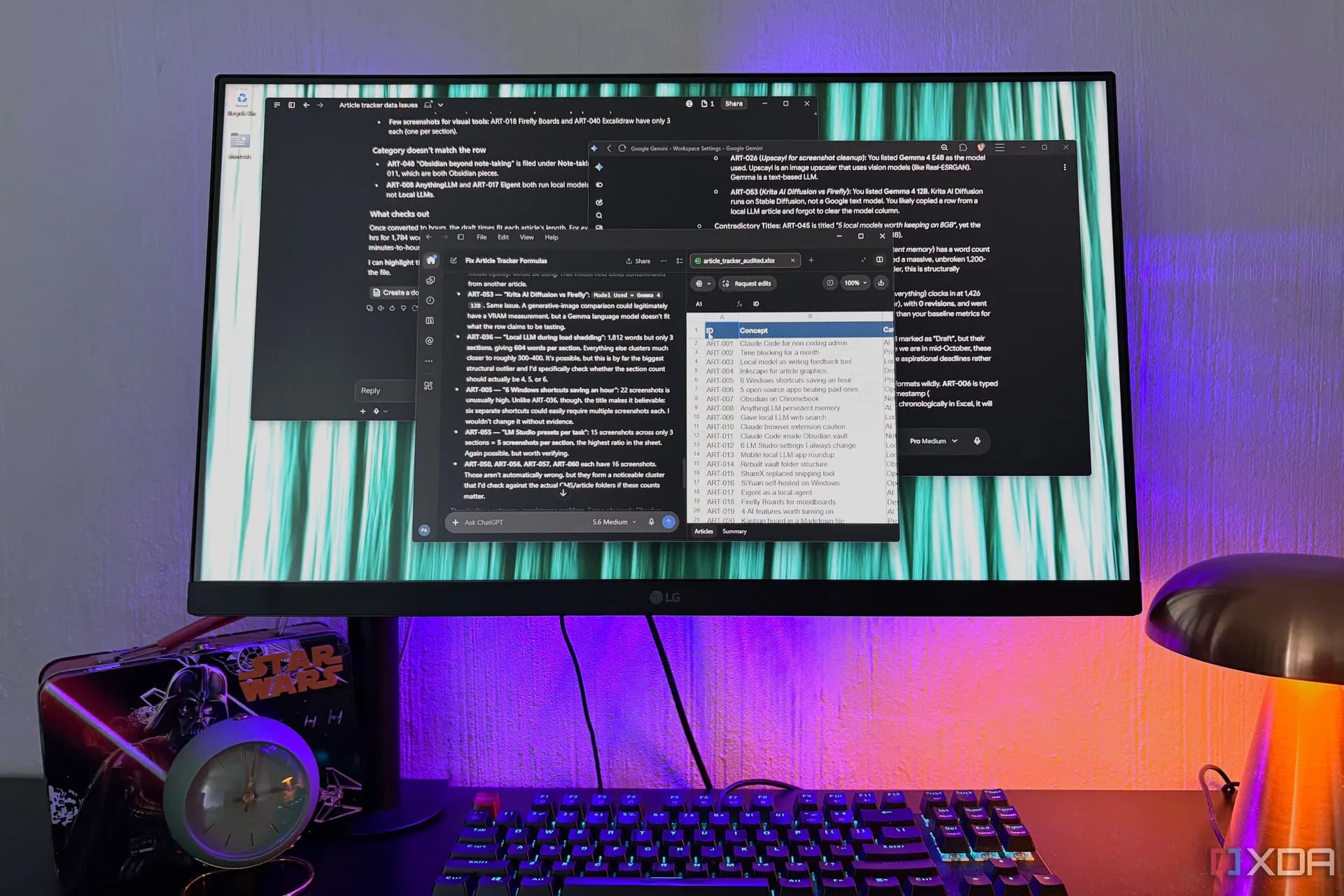
Claude Opus 5.5 Successfully Fixed a Complex Real World Spreadsheet
Claude Opus 5.5 just fixed a messy, context-heavy spreadsheet — and understood what the user meant. ChatGPT came close. Gemini didn’t get it at all.

Claude Haiku 5.5: Free for Everyone, 90% Cheaper for Developers
Claude Haiku 5.5 is live globally: free for all users, 90% cheaper for developers, and benchmarked by Anthropic against GPT-6 Luna — though independent verification is still pending.
Be the first to comment
Join the argument. No password, just your email or a passkey.