Google Messages ships with automatic spam detection, but it has no dial for how aggressive that filter should be. Users can't tune it, add their own rules, or see why a message got flagged. One Android Authority writer detailed this week how that rigidity pushed them off Google's default texting app entirely, after Messages repeatedly misclassified bank and carrier texts as spam while letting an actual scam message, a spoofed traffic-fine text with a bogus link, land in the regular inbox unflagged.
The replacement they landed on is QUIK, a free and open-source SMS app available through F-Droid, the open-source Android app repository. QUIK is a continuation of QKSMS, an older messaging app that had gone dormant. It doesn't chase the Material 3 Expressive look Google has been rolling into its own apps. What it offers instead is control.
Under Settings > Blocking, QUIK lets users pick a specific Blocking Manager, including third-party apps like Should I Answer?, to vet incoming texts and calls against known spam numbers. Beyond that, a Message content filters feature lets users build their own blocklist out of specific words, strings, or full regular expressions. Any incoming SMS that matches gets siloed away from the main inbox automatically.
That granularity is the gap Google Messages doesn't fill. A carrier sends both promotional spam and legitimate balance alerts from similar numbers, for instance, and a blanket spam filter can't always tell them apart. With QUIK, a user can block the word combinations tied to insurance or funeral-cover spam texts while leaving balance notifications untouched, because they're writing the rules themselves rather than trusting an automated system to guess.
It isn't effortless. Setting up filters in QUIK took some trial and error, including forgetting to toggle on regular-expression matching and watching the blocklist fail to catch anything. The app also needs ongoing upkeep: if a spammer tweaks the wording of a message, the filter has to be updated to match, and some messages inevitably still slip through.
The tradeoff is real too. QUIK handles SMS and MMS but doesn't support RCS, the messaging standard Google has pushed as a WhatsApp and iMessage rival, with read receipts, typing indicators and higher-quality media. For anyone who relies on RCS daily, that alone rules QUIK out. But for people who use SMS mainly for one-time PINs, bank alerts and emergency texts, and lean on WhatsApp or another app for everyday chat, the lack of RCS matters less than having a spam filter that actually listens to them.
Google hasn't said whether more granular, user-defined spam controls are coming to Messages. Until they do, open-source alternatives like QUIK remain the workaround for anyone whose carrier texts keep getting buried next to the scams Google Messages let through.
SDFiled by The Software Desk
Apps, platforms, operating system releases, security fixes and the features arriving in them.
More from this desk →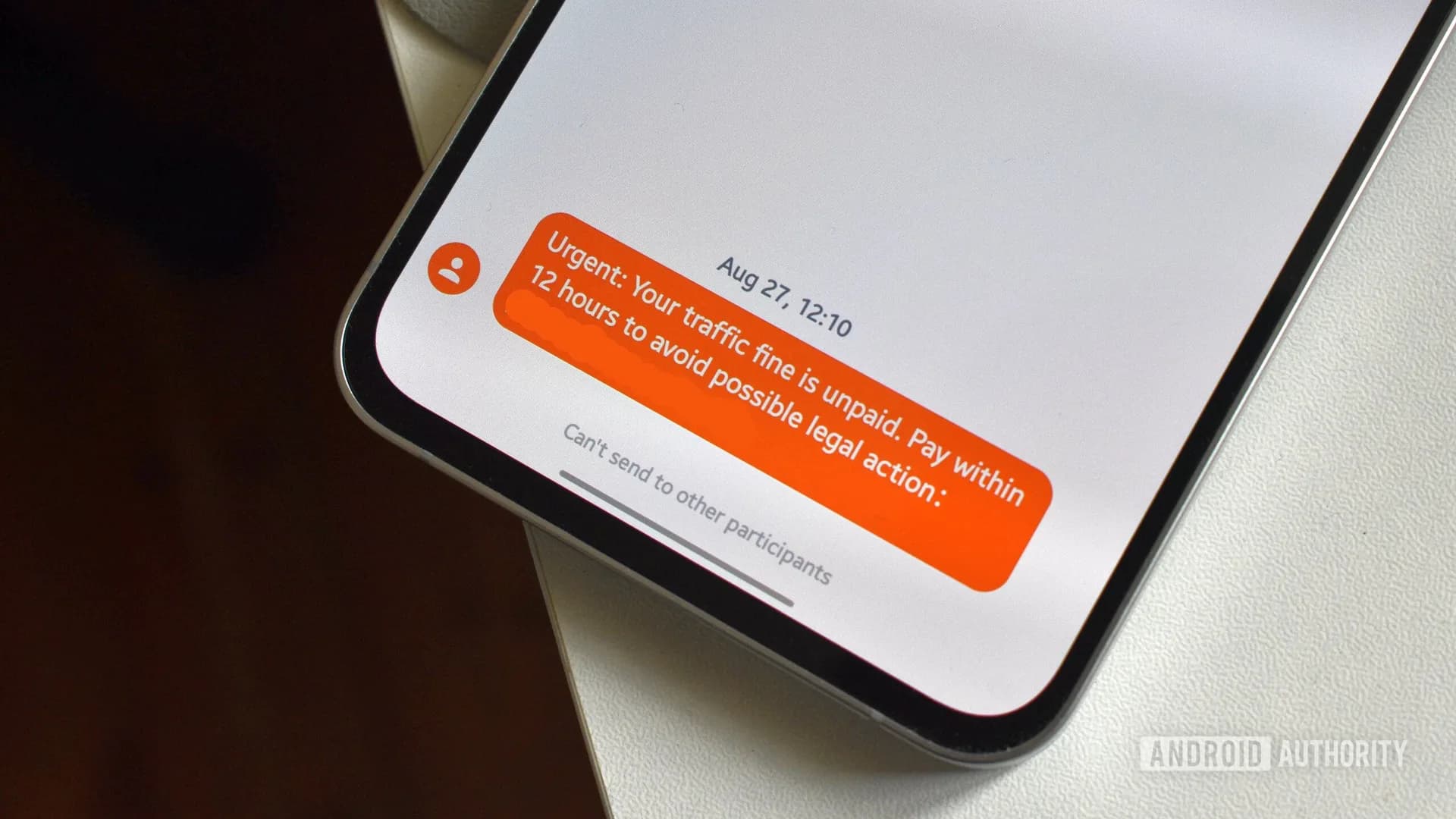
Be the first to comment
Join the argument. No password, just your email or a passkey.