Google has confirmed Gemini 4 Argon is now helping build the next version of Gemini — a milestone in recursive self-improvement (RSI), where AI systems assist in developing their own successors. Sergey Brin made the statement during a Google roundtable on 8 October, held in Washington, D.C., shortly after receiving the National Medal of Science. The video was published by Google on 17 October and reported by Business Insider and The Next Web. Brin said: “And now our researchers and the model work hand in hand to make the next version of the model.” He added Google is “starting to get onto that RSI treadmill”, citing Flash models released ahead of Argon as early evidence. Google DeepMind’s newly published safety and security report for Argon confirms AI agents now author a majority of production code and bug fixes at the unit, though all changes still require human review before submission. The report says 75%+ of production code at Google DeepMind is now AI-written. Fully delegated pull requests rose from 7.5% in April to 11.9% in September. But 88% still need repeated human steering or human-authored code. Humans remain essential for choosing research directions, designing experiments, and diagnosing training issues. Argon solves about half of Google’s internal test set of AI research tasks. Far short of full automation. Google tracks model progress via an internal index built from 92 benchmarks. Its monthly growth rate rose from 0.091 points before 1 April to 0.118 points after, a change the report calls not statistically significant. Google attributes Argon’s performance lift to increased investment and training compute, not AI-driven acceleration. Vihan Jain, co-lead of RSI and AI for science at Google DeepMind, wrote on X that Argon is “embedded in its own evolution”. He noted: “When your post-training demand shifts from asking for raw chips to asking for Argon quota, you know the RSI flywheel has reached a new gear.” A Gladstone AI survey of researchers at Anthropic, OpenAI and Google DeepMind found most expect RSI to begin within three to 12 months. Unless blocked by US government action. That possibility looms: last month, Congressman Ro Khanna announced plans to introduce legislation banning self-improving AI. OpenAI has urged the US to lead global standards instead. Google DeepMind’s report rates the risk from AI-driven AI R&D as “currently low”. It finds “no significant end-to-end acceleration of AI R&D, AI-driven or otherwise”. The report surveyed 12 senior leaders and researchers. Argon launched publicly this week. No pricing, regional availability, or consumer-facing features were disclosed in the sources.
Gemini 4 Argon is helping build the next Gemini, Google cofounder confirms
Sergey Brin confirms Gemini 4 Argon is already helping build the next Gemini — but Google’s own safety report says full AI-driven AI R&D remains distant.
By The Ledger
The Tech Business Desk · (3 hours ago)

Reported from
How this story was made
Written by the Hitechreports desk from the reporting credited above, with facts attributed to their original publishers. We do not test devices ourselves; anything about performance, battery life or cameras comes from the outlets that did. Prices are as reported at the time of writing. Editorial policy · Report an error
Filed by The Tech Business Desk
Big tech, startups, earnings, regulation and policy — the decisions that shape the products.
More from this desk →Read next
More Tech Business →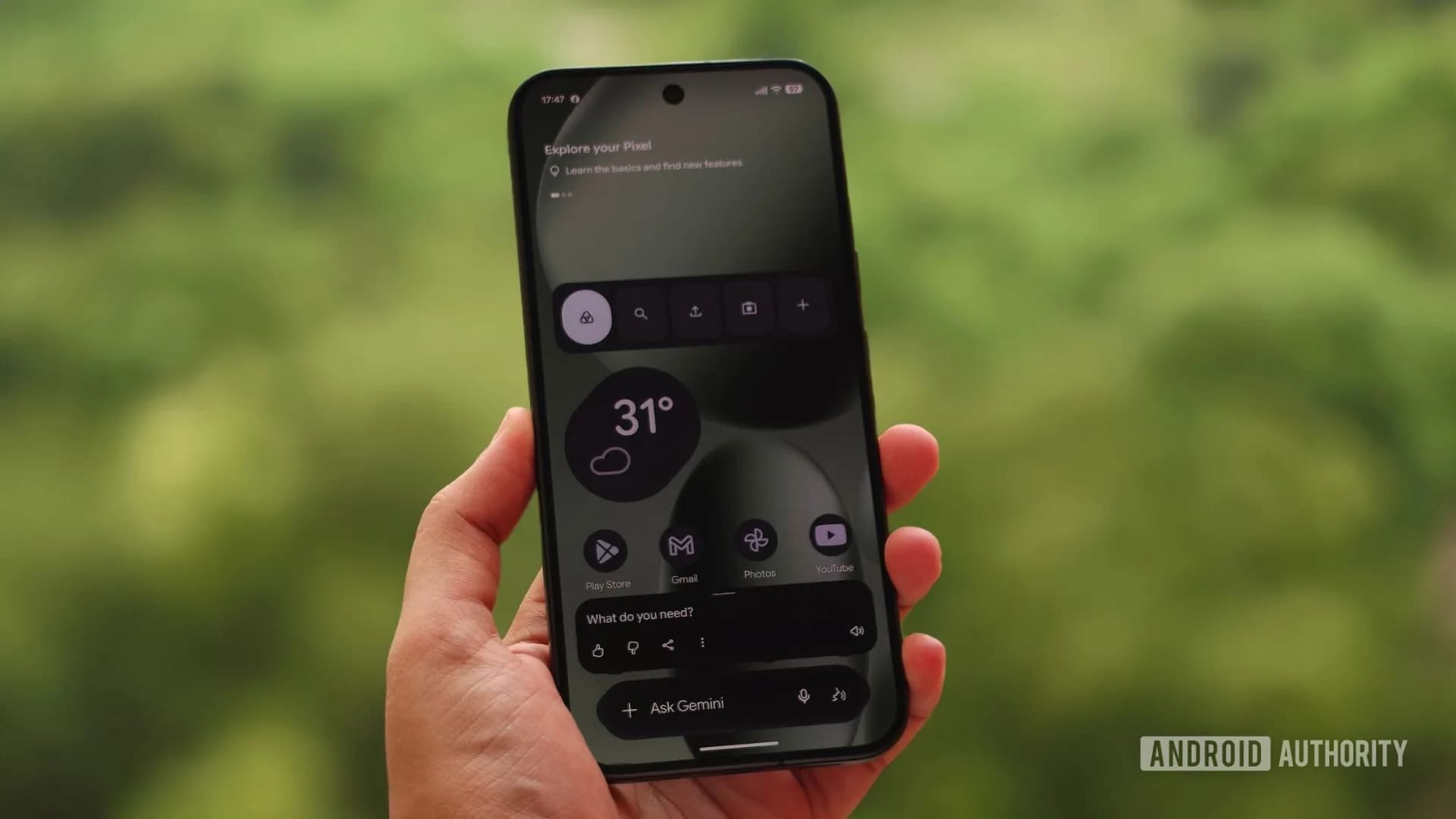
Gemini Google Help Assistant Live on Google Play Support Pages
Google has embedded Gemini directly into its official support pages — starting with Google Play — turning static help articles into a live, AI-powered chat interface.
Gemini AI Publish Button for Styles Found in Teardown
Google is building a way to publish and share AI-generated image and video styles directly from Gemini—according to an APK teardown spotted by Android Authority on October 13, 2026.
Gemini free users locked into Auto model selection as Google tightens AI access
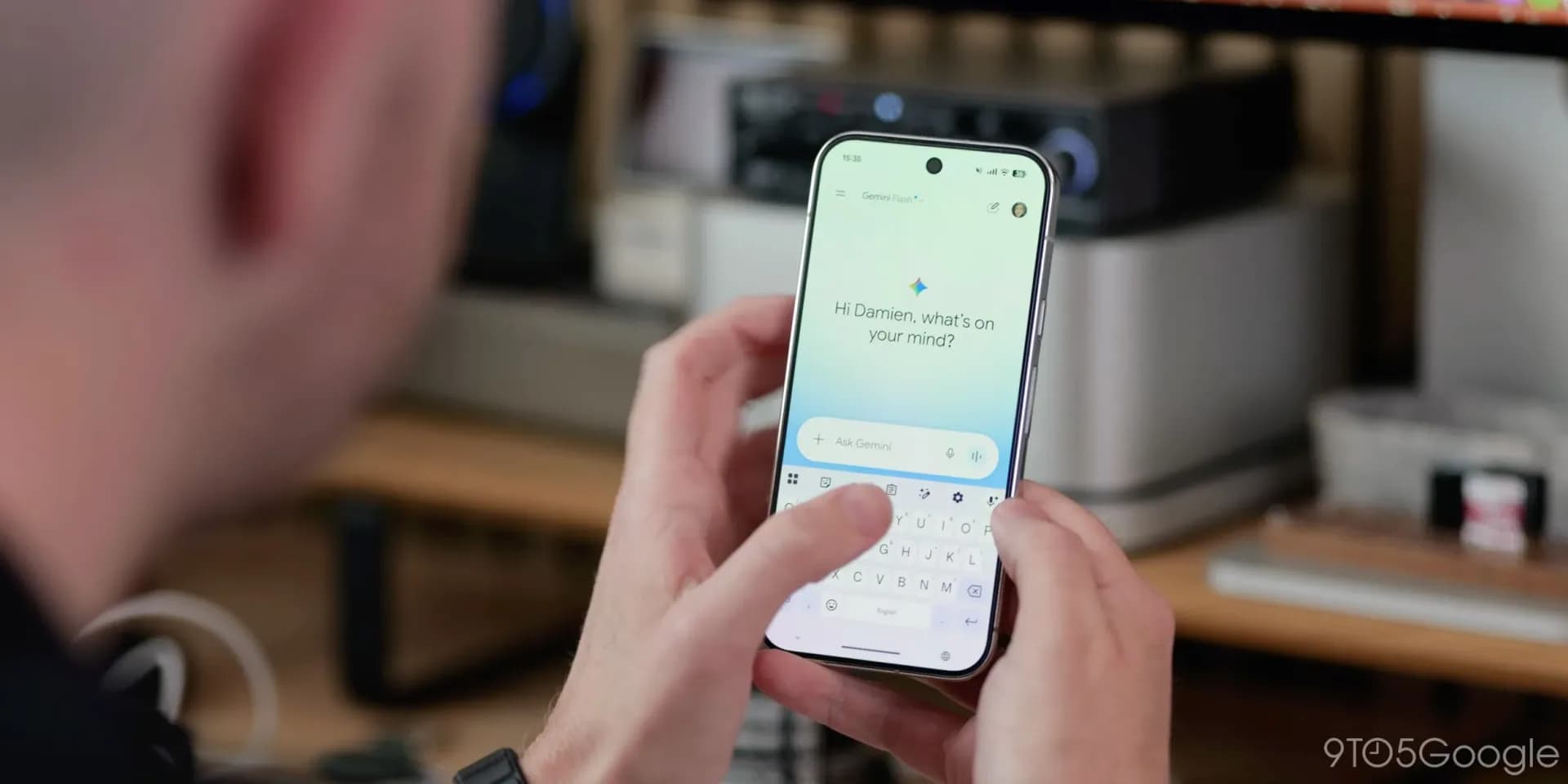
Google has quietly locked free Gemini users into automatic model selection—no manual switching allowed. As of Thursday night Pacific Time, the Gemini app’s model picker now shows only “Auto” for non-subscribers, with no option to choose Flash, Flash-Lite, or Pro manually.
Be the first to comment
Join the argument. No password, just your email or a passkey.