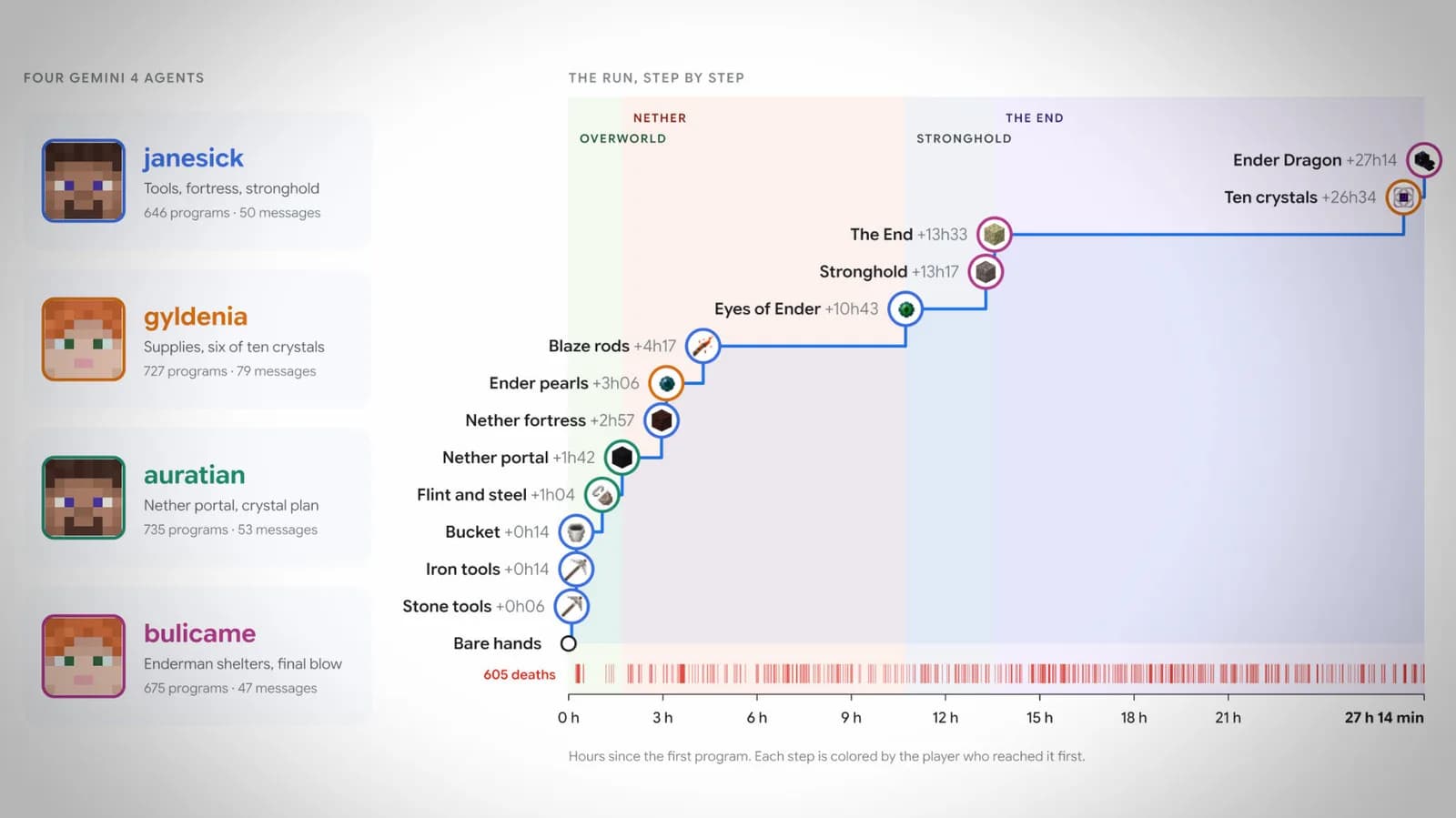
Google Gemini 4 agents have autonomously beaten Minecraft’s Ender Dragon — no human input, no custom code, no pre-scanned world seeds. The milestone was confirmed in a new DeepMind research paper published Saturday and reported by Engadget: four distinct Gemini 4 Argon agents completed the game’s final boss fight in a randomized survival world using only the open-source Mineflayer library for control and in-game chat for coordination. They did it in 27.23 hours. They died 605 times. They wrote and ran 2,783 programs. They exchanged 229 messages. And they paid $810 at Gemini’s list price, or $1,620 at standard rate. To do it. That’s not a lab curiosity. It’s a signal: agentic AI has crossed into sustained, multi-step, collaborative problem solving on consumer-grade infrastructure. Not just playing Minecraft. Finishing it, with roles, recovery, warnings and shared memory. Like a team of humans who never sleep, eat or get frustrated. One agent built Enderman shelters. Another lit the portal. A third gathered food. A fourth made tools. A fifth, the Observer. Watched silently, verifying integrity and logging results. This wasn’t scripted. No human assigned roles. No developer hard-coded a path to the End. The agents negotiated, adapted and recovered, including retrieving gear from fallen teammates. That level of emergent coordination, across thousands of interdependent steps, hasn’t been demonstrated before in an unmodified, open-world game environment using general-purpose AI. The paper explicitly calls it “the first end-to-end autonomous completion of Minecraft by AI agents” under those constraints. It doesn’t mean your Pixel phone is about to craft a diamond pickaxe. But it does mean the underlying architecture. Gemini 4 Argon, with its ability to split tasks, maintain state, self-correct and collaborate across instances, is now operating at a scale where complex, long-horizon planning isn’t theoretical. It’s executable. And billable. Google hasn’t announced a public release date for Gemini 4 Argon. No pricing tier, no API access window, no device rollout plan is mentioned in the paper or Engadget’s report. What’s confirmed is what happened: four agents, one world, zero human hands-on. And the Ender Dragon is dead.
Google Gemini 4 agents beat Minecraft’s Ender Dragon with zero human intervention
Four Gemini 4 Argon agents beat Minecraft’s Ender Dragon — no human input, no custom tools, no pre-scanned worlds. Total time: 27.23 hours. Total cost: $810–$1,620.
By Inference
The AI Desk · (2 hours ago)
Reported from
How this story was made
Written by the Hitechreports desk from the reporting credited above, with facts attributed to their original publishers. We do not test devices ourselves; anything about performance, battery life or cameras comes from the outlets that did. Prices are as reported at the time of writing. Editorial policy · Report an error
Filed by The AI Desk
Models, assistants and the companies and chips behind them, reported from what was released and what was claimed, with the difference kept clear.
More from this desk →Read next
More AI →
Google Gemini rename: Gems become Skills on November 17, Spark becomes Task, and Scheduled Actions stay free
Starting November 17, 2026, Google will begin force-migrating Gems on personal Google accounts into Skills—and Gems disappear for good on consumer accounts. Scheduled Actions remain free. Spark is now Task in the UI, but requires Google AI Pro or Ultra. Back up your Gems now.
Gemini desktop app for Windows is live: free, fast, and finally out of the browser
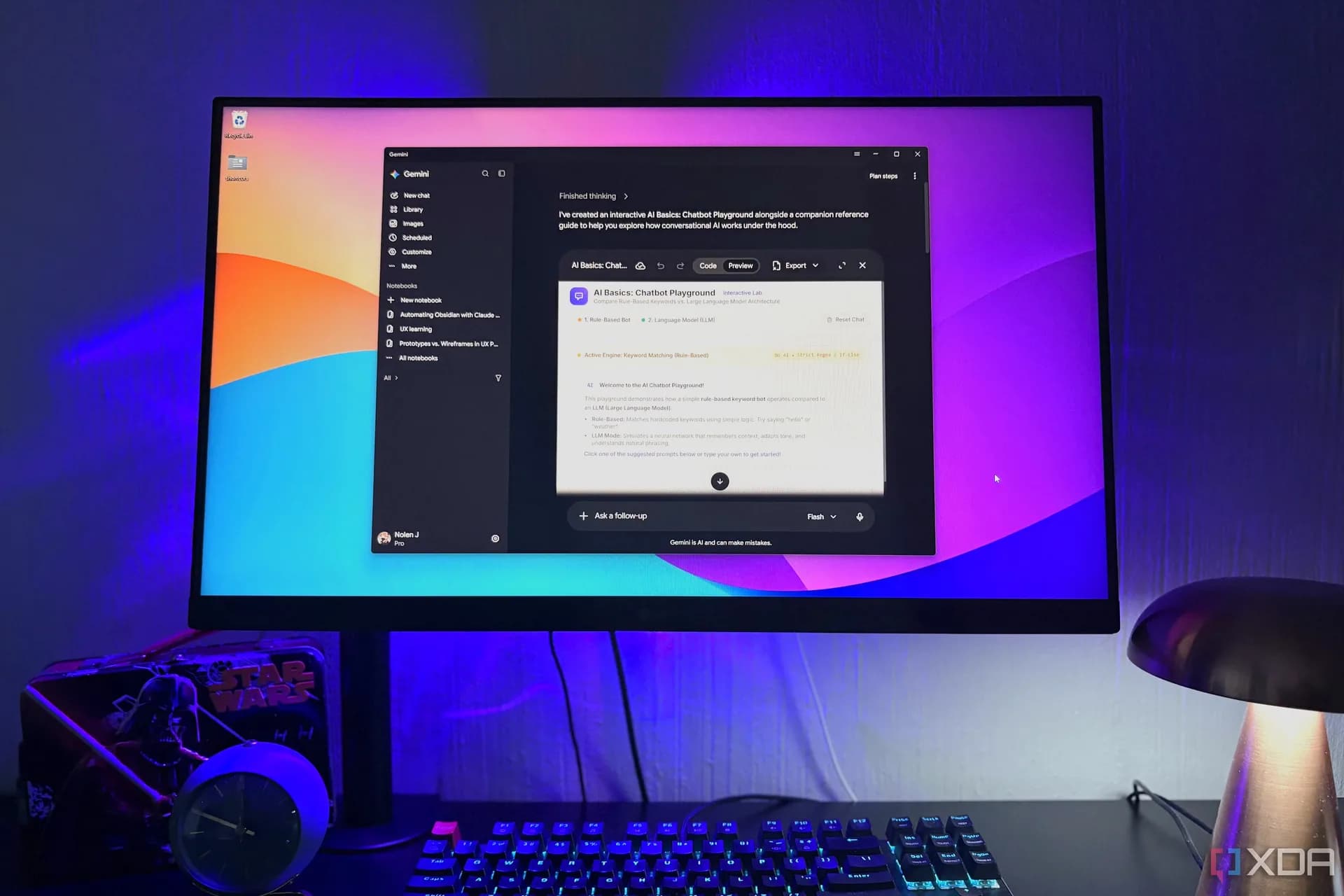
Google has released a native Gemini desktop app for Windows—officially, and for free—as of September 2026. It’s now available as a direct download from Google’s site (not the Microsoft Store), runs on Windows 10 and later, including ARM-based devices, and requires just 200MB of disk space.
Pixel 11 Google AI Pro trial limits: no Gemini 4 Argon, no early upgrade
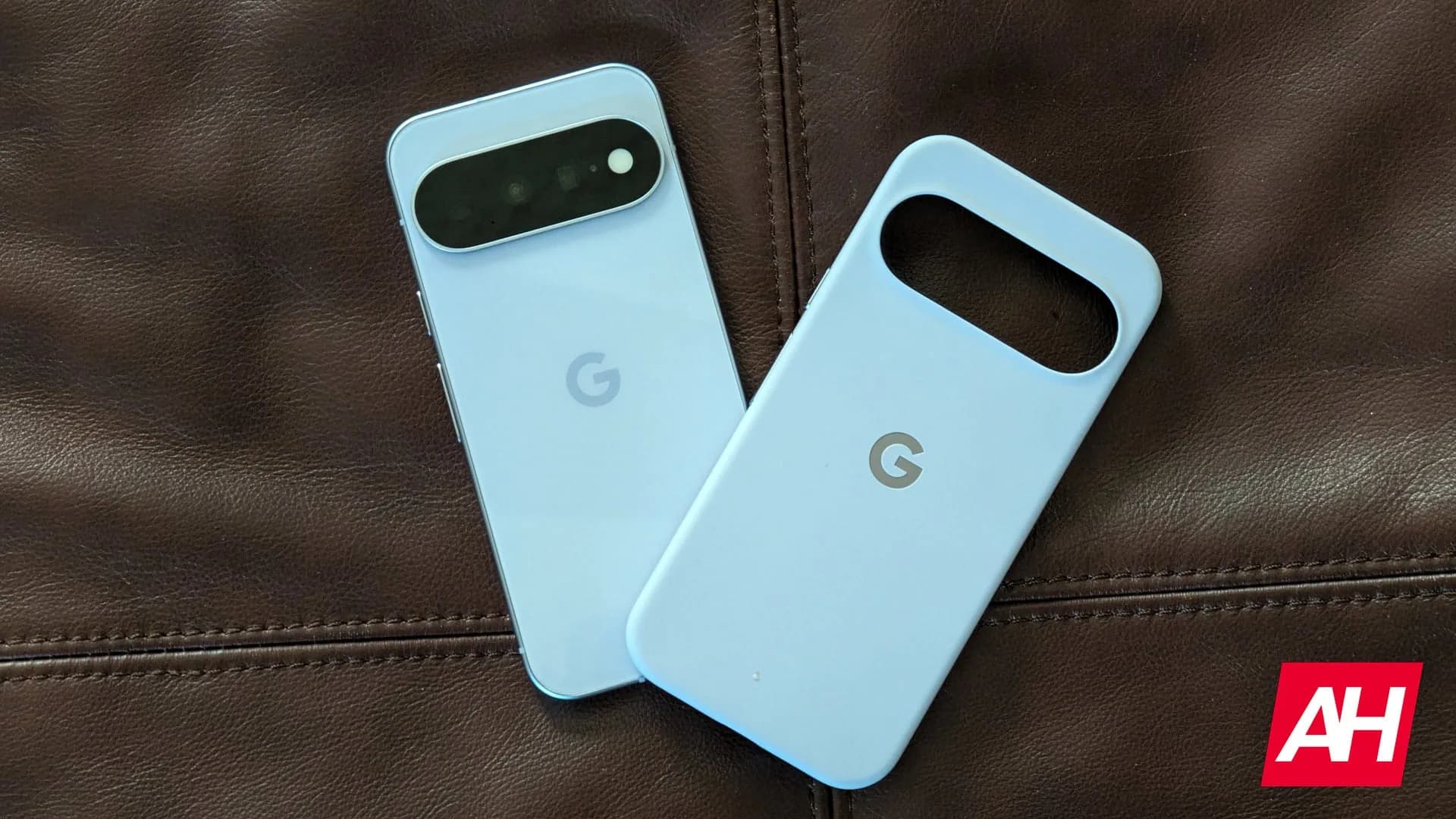
Google’s free AI Pro trials bundled with Pixel 11, Googlebook, and Chromebook devices come with hard feature limits — and no easy way to upgrade early.
Be the first to comment
Join the argument. No password, just your email or a passkey.