Apple's iPhone Duo starts at $2,000, and most of the apps on it still don't know what to do with its folding screen. But a small group of developers has figured it out, and their work is doing more to sell the device than Apple's own keynote did.
When the Duo launched, Apple lined up a handful of partners to have their apps ready on day one: Netflix, the MLB app, NYT Cooking, Slack, and the calendar app Fantastical among them. Everything else is catching up. Reviewers of the device have noted that most mainstream iOS apps weren't optimized for the foldable at launch, which means black bars around the edges, controls stuck in awkward spots, or interfaces that need a tap to blow up to full size. It's a familiar problem, the same growing pains iPhone apps went through when they first landed on the iPad.
Netflix is the clearest example of what Duo-ready software can look like. The outer screen, the one visible when the phone is folded shut, runs short-form "Clips" in a format close to TikTok. Open the Duo, and the same content hands off to the larger inner display for longer viewing. The app treats the two screens as genuinely different surfaces rather than stretching one layout across both.
Small studios, bigger ideas
The apps getting the most attention, though, aren't from Apple's launch partners. They're from independent developers who built specifically for the hinge.
Deck-Man, made by developer Vidit Bhargava and previously called Duo-Man, turns the Duo into something close to a Walkman cassette player. Open albums appear as physical tapes you load into a player, with playback controls, button clicks, and tape sounds recorded from an actual cassette deck. With the phone open, the cassette animation runs on one side of the screen next to album art. Closed, the whole interface mimics the front panel of a Walkman. Bhargava built the first version at a hackathon and renamed it ahead of its October 23 release on the App Store, extending it beyond just the Duo.
TypeDraw, from creator Phil Traut, goes a different direction, aiming to be a digital notebook. It even includes a virtual elastic closure band, and when the Duo is folded shut, the app's shape mirrors a small paper notebook. Users can write in a font generated from their own handwriting or choose from roughly a dozen fonts Traut designed, pick from lined, grid or dotted page styles, and sketch alongside typed text.
Neither app needed Apple's blessing or a launch-day partnership to make a case for the hardware. That's arguably more useful to Apple right now than another corporate integration, since it signals developers see the Duo as worth building for beyond the initial sales push.
The bigger test is whether that enthusiasm spreads past a handful of indie studios. Apple's foldable only works as a everyday phone if the apps people already rely on catch up, and right now that list is short. Until mainstream developers follow Netflix's lead, the Duo's two screens will keep being sold on novelty apps rather than the software most owners open every day.
SDFiled by The Software Desk
Apps, platforms, operating system releases, security fixes and the features arriving in them.
More from this desk →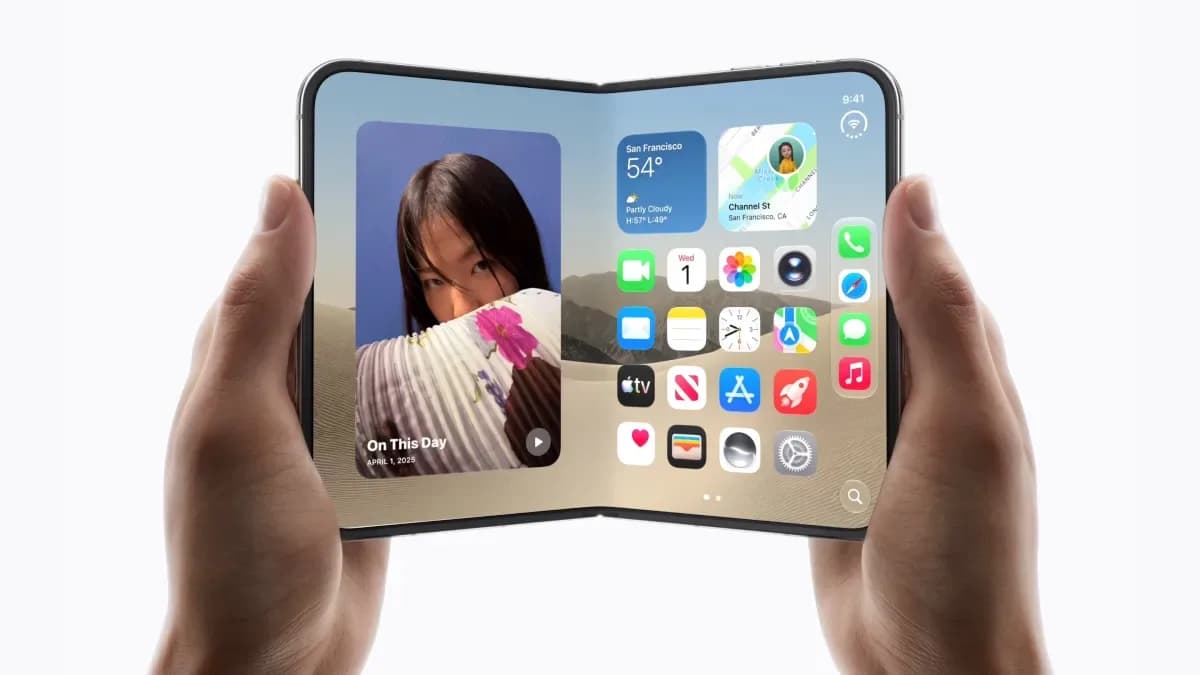

Be the first to comment
Join the argument. No password, just your email or a passkey.