Loop Capital has pulled its Buy rating on Apple, moving the stock to Hold and cutting its price target from $370 to $330, according to figures reported by Investing.com. The reason is blunt: the firm no longer believes Apple will recover roughly 13 million iPhone shipments it estimates were cut from the company's second-half 2026 plans.
That's a reversal. Loop had previously pinned the shortfall on memory and processor shortages, the kind of supply squeeze that typically gets resolved a quarter or two later. Its latest supply chain checks changed that view. The lost volume, in Loop's model, is gone for good.
A smaller, cheaper December quarter
For the December quarter, Loop now expects Apple to ship 79 million iPhones, down from its earlier estimate of 85 million. It also cut its average selling price forecast from $1,239 to $1,123, a sign it expects buyers to lean toward cheaper models rather than the priciest configurations.
The 2027 picture is stranger. Loop actually raised its unit forecast for the year, to 260 million iPhones shipped, more than it had previously modeled. But it expects those phones to sell for less on average, which drags the full-year iPhone revenue forecast down from $315 billion to $285 billion. Rising memory costs add another squeeze on margins, the firm said.
The split launch is muddying the math
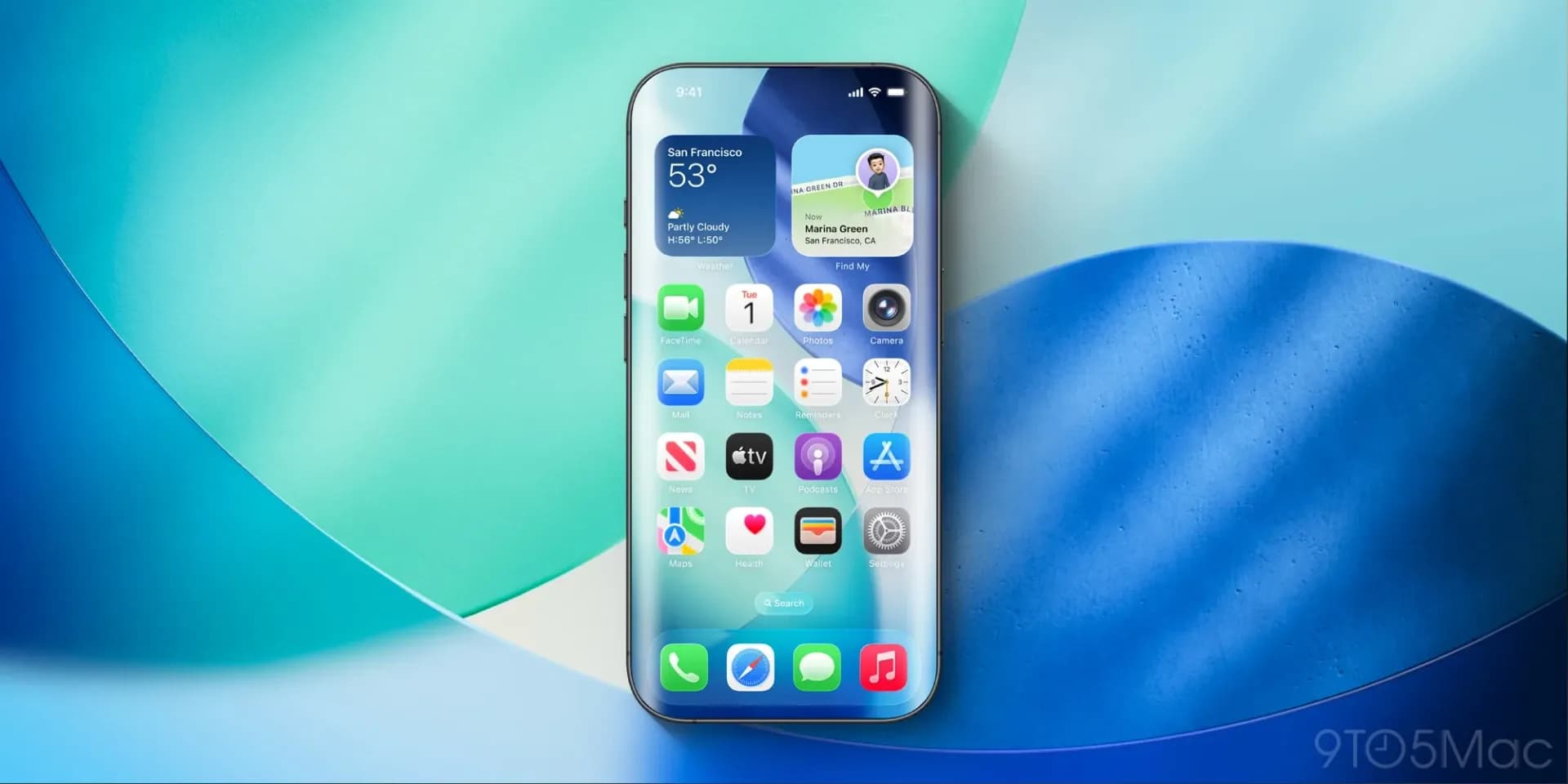
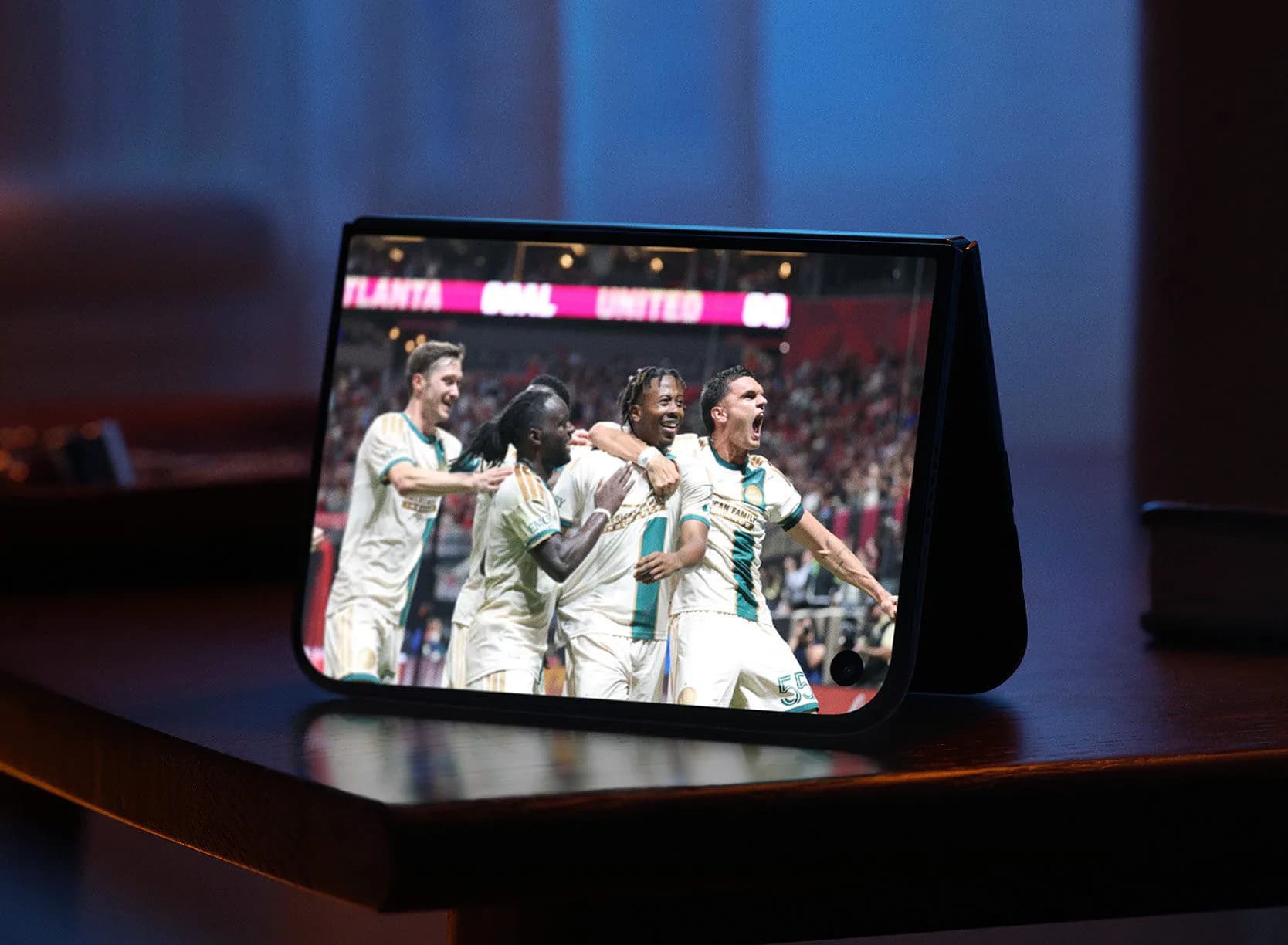
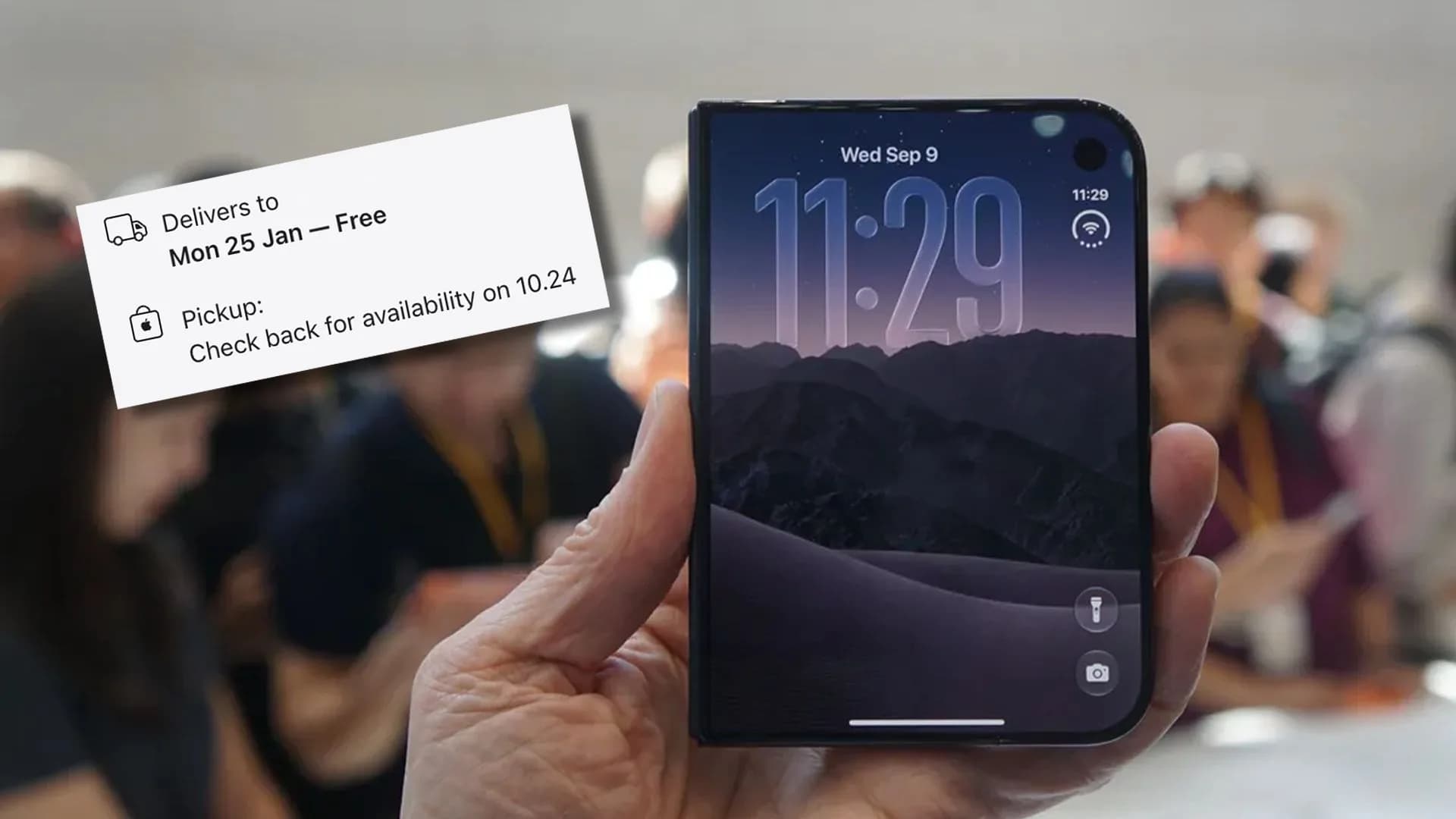
Part of what makes Apple's near-term numbers hard to read is its own release calendar. The iPhone 18 Pro models shipped in September. The iPhone Duo, Apple's first folding iPhone, launches October 23. But the standard iPhone 18, the budget iPhone 18e and the iPhone Air 2 aren't expected until spring 2027, a gap from the usual single-September rollout Apple has run for years.
Counterpoint Research has already tied Apple's third-quarter shipment decline to that missing standard model, the phone that normally carries the bulk of Apple's volume in a given quarter. Even without it, Apple posted a record third-quarter market share of 22%, Loop's note points out, at a time when global smartphone shipments fell 20% year over year.
That combination, a record share inside a shrinking market, is roughly what Loop's new numbers are trying to capture: Apple holding its ground on volume into 2027 while giving up ground on price. Whether that's a temporary effect of the split launch or a longer shift toward cheaper iPhones selling in higher numbers is the question the next two quarters should start to answer, starting with how the iPhone Duo sells once preorders convert into actual shipments after Friday's launch.
TBFiled by The Tech Business Desk
Big tech, startups, earnings, regulation and policy — the decisions that shape the products.
More from this desk →
Be the first to comment
Join the argument. No password, just your email or a passkey.