A trail camera set up in Peru's Loreto region has caught something researchers say they barely dared hope for: a baby giant armadillo, scurrying through the undergrowth of the Amazon rainforest.
The footage comes from Amazon Research International, a conservation group that placed the camera as part of its work in the area. Giant armadillos are nocturnal, solitary and spend most daylight hours underground, which already makes them hard to photograph. Add in a breeding cycle where females give birth roughly once every three years, and a juvenile on camera becomes close to a statistical fluke.
"Giant armadillos are amongst the most difficult animals to see on a camera trap," Rosa Vásquez Espinoza, the group's founder, told the BBC Wildlife podcast Wild Lives. "People can spend over a year [with] hundreds of cameras to try to get a single clip."
A trail camera, for anyone who hasn't used one, is a weatherproof unit left in the field that triggers itself, usually via a motion or heat sensor, so it can record wildlife without a person standing nearby spooking the subject. That hands-off approach is precisely why the technology has become central to conservation work on species that vanish the moment they sense a human, which giant armadillos reliably do.
Espinoza credited the result to collaboration with Indigenous colleagues in the region, who know the land and the animal's habits better than any outside team could. "Seeing a baby giant armadillo is not something we ever dreamed of," she said. "It's so hopeful for us, seeing all this wildlife."
A vulnerable species, and a push for protection
The clip isn't just a nice find for a nature podcast. The giant armadillo is classified as vulnerable by the International Union for Conservation of Nature, with its population shrinking because of deforestation, cattle ranching, farming and hunting across its South American range.
Amazon Research International says it plans to use the footage as evidence in a push for a new local law in Loreto that would protect the giant armadillo and other large mammals in the area. Part of the region is already under protection thanks to Espinoza's earlier work there involving stingless bees, so this would extend that groundwork rather than start from scratch.
There's no timeline yet for when such a law might be proposed or passed, and Amazon Research International hasn't detailed what equipment or how many cameras were involved in the sighting. The full account, including more of Espinoza's conversation with the BBC team, is available through the Wild Lives podcast from BBC Wildlife.
For now, the clip is a reminder of what trail cameras are actually for: not viral animal content, but quiet, patient evidence-gathering that can take years to produce a single usable frame, and sometimes a case for a law.
GDFiled by The Gadgets Desk
Audio, wearables, cameras, tablets, chargers and every other device worth carrying or plugging in.
More from this desk →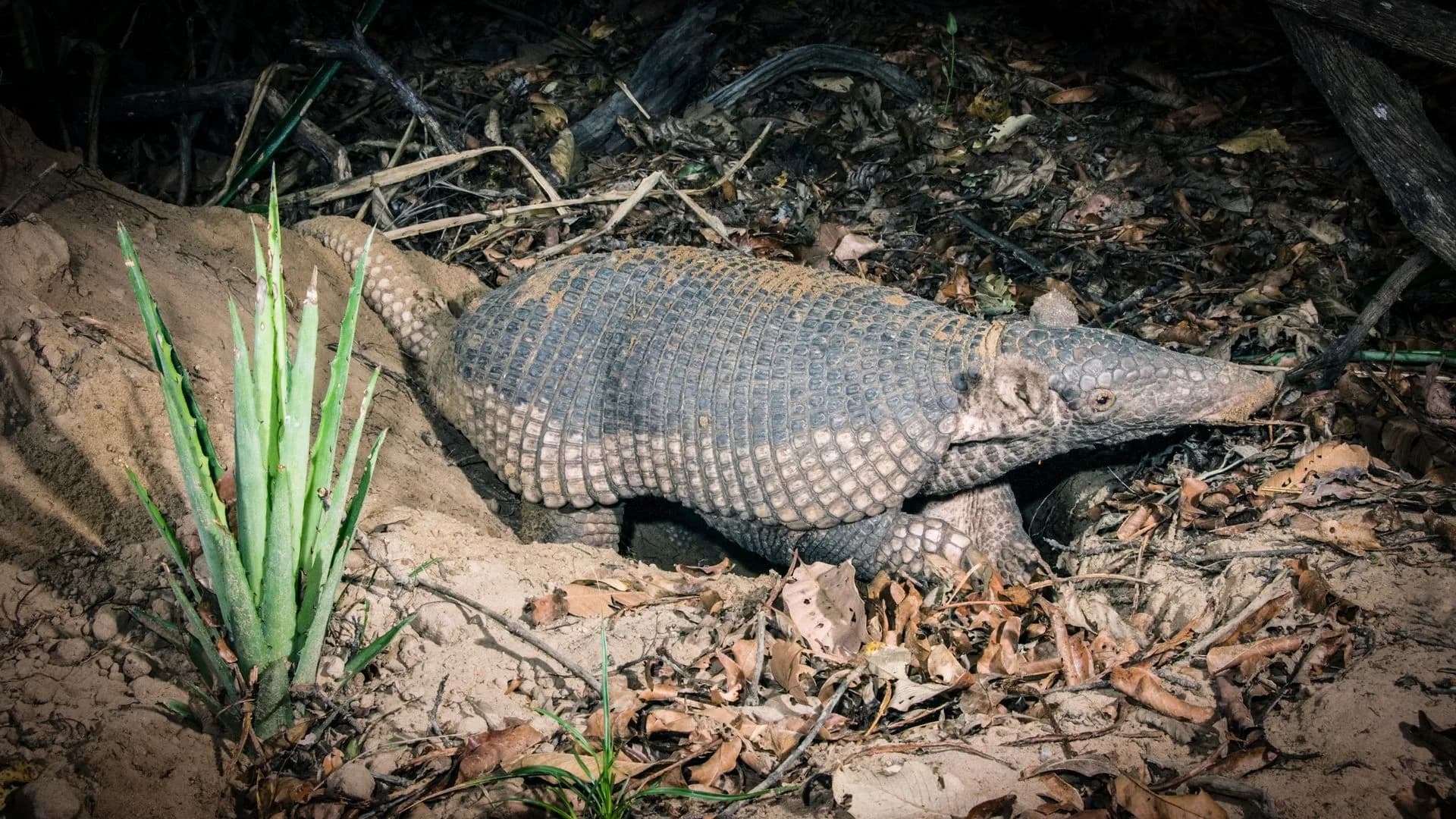



Be the first to comment
Join the argument. No password, just your email or a passkey.