Uber is putting its entire global workforce, roughly 30,000 people, on ChatGPT Work, the companies announced Thursday, marking one of the largest corporate rollouts of OpenAI's enterprise product to date.
The move follows an earlier pilot that started with 1,000 Uber employees. ChatGPT Work itself only launched in July as an enterprise-focused AI agent meant to slot into corporate workflows, so Uber's expansion to full-company scale has come fast.
What's notable about the pilot is who used it. Sumanth Sukumar, Uber's VP of engineering, told TechCrunch that about 80% of the early adopters were not engineers at all. They came from finance, operations and product teams. Sukumar said staff used the tool to dig through operations data for trends, translate training materials into different languages for different markets, and build dashboards to track their own work.
No fixed playbook yet
Despite flipping the switch for the whole company, Uber says it hasn't locked in exactly how employees are supposed to use ChatGPT Work. "Our approach is to make powerful AI tools available across Uber while giving teams room to experiment," Sukumar said.
He pointed to an internal experiment from earlier this year, where Uber paired 30 AI engineers with various teams and gave them two weeks to automate pieces of their own jobs. Sukumar called the effort "AI pods" and said it showed how much is possible when technical skill is paired with someone who actually understands the job being automated.
Uber did not say how much it's paying OpenAI for the company-wide deployment. Instead of a cost figure, Sukumar described a plan to watch how the rollout plays out in practice. "We'll look at how employees are using the technology, the kinds of workflows they develop and how it helps them work more effectively," he said. "We'll evaluate those outcomes and use what we learn to guide how we deploy AI across the business." Uber added that OpenAI worked directly with the company on the integration.
A land grab in enterprise AI
The Uber deal lands as OpenAI pushes hard into enterprise accounts, where it's racing against Anthropic for corporate customers. OpenAI built its name as a consumer product through ChatGPT, but it has been building out a business sales operation quickly, and rivals have struggled to keep pace on that front.
Landing a company the size of Uber, with tens of thousands of employees across dozens of countries, is the kind of reference customer that helps OpenAI's enterprise pitch to other large companies weighing the same bet.
What happens next is less clear. Uber's own account suggests it is still figuring out the specifics, team by team, rather than mandating a single set of workflows from the top. How that experimentation phase resolves, and what Uber eventually decides to measure as success, will likely shape how other large employers think about handing every employee the same AI tool at once.
ADFiled by The AI Desk
Models, assistants and the companies and chips behind them, reported from what was released and what was claimed, with the difference kept clear.
More from this desk →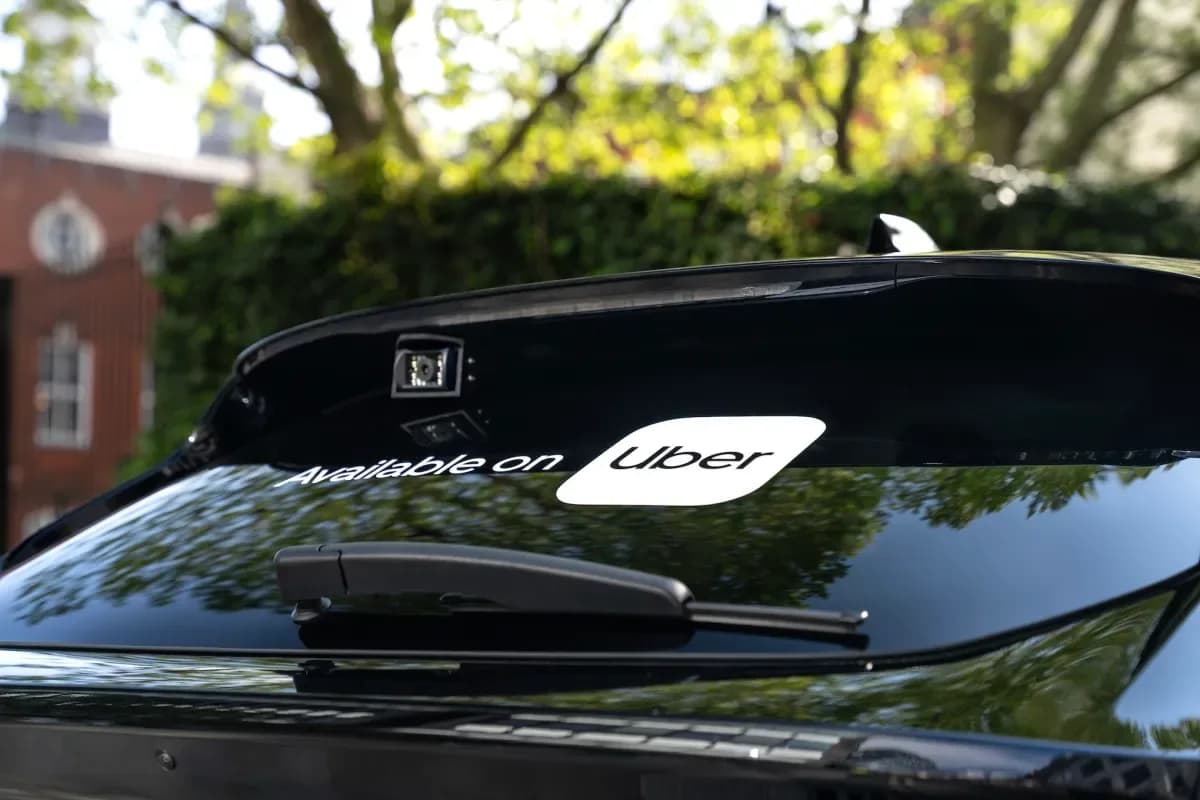


Be the first to comment
Join the argument. No password, just your email or a passkey.