Watching the night sky for meteors is fun. Sitting through hours of footage to find them is not. One Reddit user decided to let an AI coding agent handle the tedious part.
The project, spotted by XDA Developers on the ClaudeAI subreddit, comes from a user going by Terrible_Award_2124. They pointed a 4K camera at the sky overnight, then used Claude Code, Anthropic's AI coding assistant, to sift through the footage each morning and pick out anything that looked like a meteor.
In one run shown off in a video posted to the subreddit, the setup logged 17 meteors, 6 planes and what XDA describes as a sizable number of birds caught crossing the frame. The point of the exercise is to skip the part where a person has to scrub through hours of sky footage frame by frame, hunting for a flash that might last a fraction of a second.
Claude Code is built to automate exactly this kind of repetitive, rules-based work. Feed it a task and the tools to act on it, and it will write and run code to get there rather than just describing what to do. Here, that meant parsing video, filtering out the obvious non-meteors, and surfacing what's left for a human to glance at over coffee.
How to try it
Terrible_Award_2124 built the capture side on something called OpenSkyCam, a project for streaming and recording sky footage, and then wired Claude Code on top of it to do the identification. XDA points anyone interested toward the OpenSkyCam website to set up their own version and connect it to whichever AI agent they prefer.
It's a small, unofficial build from one hobbyist, not a product from Anthropic or anyone else, and there's no indication yet of how reliably it tells meteors apart from satellites, drones or stray flashes of light over longer stretches of use. But it's a neat example of the kind of narrow, personal automation that coding agents have made easy to bolt together without writing much code yourself.
Expect more of this. Claude Code and rivals like OpenAI's Codex and GitHub Copilot's agent mode have turned side projects like this into a weekend's work rather than a specialist skill, and astronomy hobbyists already have a long tradition of building their own detection rigs for meteors, satellites and aurorae. Pairing that hardware with an AI agent that can watch the footage so you don't have to is a logical next step, and it's likely other hobbyists will publish their own variations soon.
ADFiled by The AI Desk
Models, assistants and the companies and chips behind them, reported from what was released and what was claimed, with the difference kept clear.
More from this desk →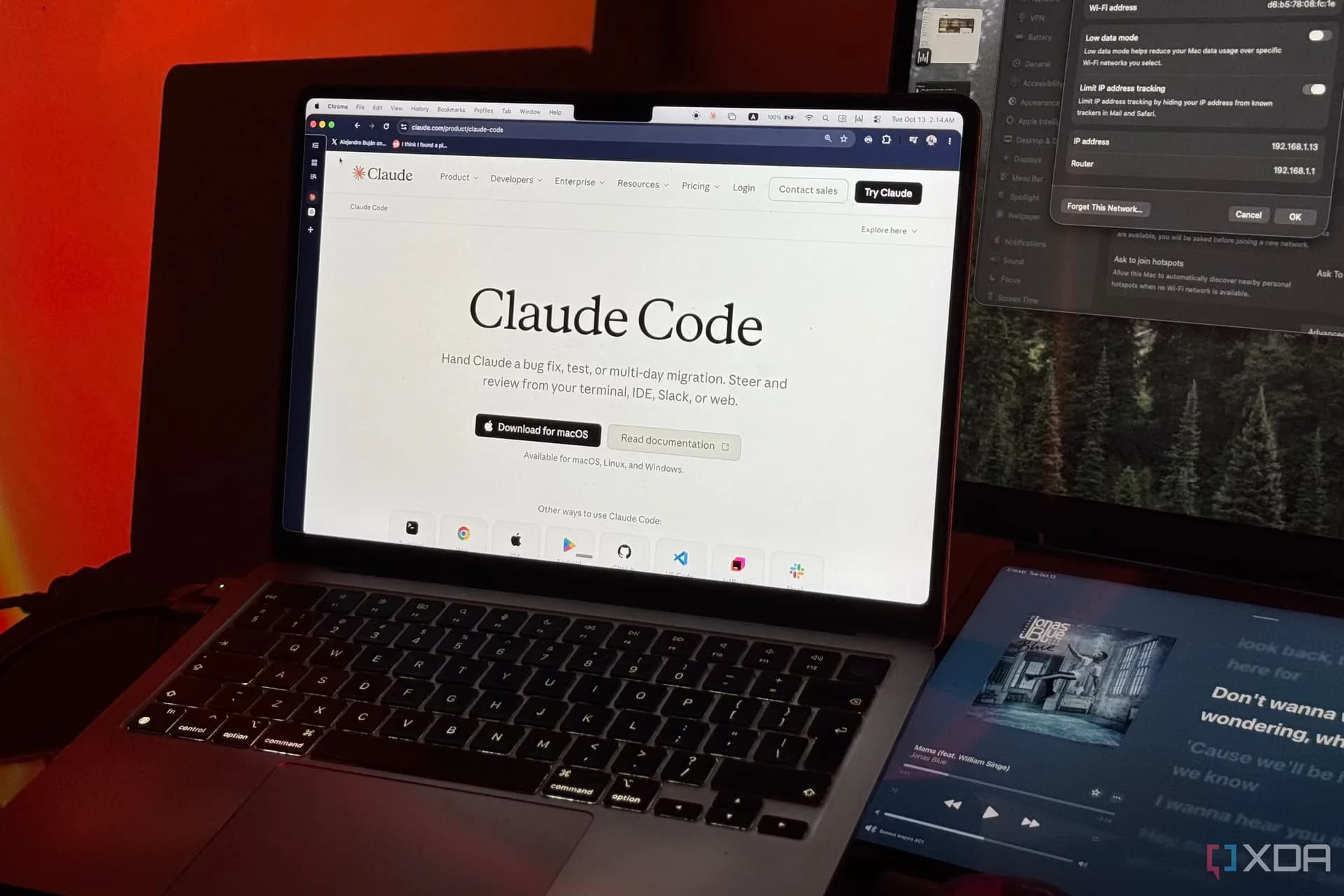


Be the first to comment
Join the argument. No password, just your email or a passkey.