Fixing a persistent wireless dead zone does not require buying a three-pack mesh system. For households struggling with an isolated room where router signals drop off, dropping cash on expensive multi-node hardware is frequently an overengineered, pricey reaction.
A single wired access point placed near the problem area delivers better stability and lower latency for far less cash.
Mesh hardware functions by stitching together a unified network across multiple nodes, swapping devices between access spots without separate network names. In sprawling layouts with multiple structural barriers, that setup earns its keep. Yet when nodes communicate over wireless backhaul, bandwidth takes an immediate hit. Devices can also run into ping spikes while the system shuttles them back and forth between stations.
The Old Router Alternative
You do not need commercial hardware to solve the issue. An older spare router can handle access point duties on its own.
The setup takes minimal tinkering. Plug an Ethernet connection from the primary gateway into a Gigabit port on the secondary hardware, turn off DHCP in the settings, and apply identical network credentials so phones and laptops hand off without friction. Those comfortable with third-party software can flash OpenWrt to strip away unnecessary overhead.
Because the secondary unit pulls data over a physical line rather than sharing airborne bandwidth, devices connected to it avoid the throughput penalties typical of wireless mesh satellites.
Routing Data Without New Cables
The main friction point with wired access points is running Cat6 cable through living areas. Drilling walls and paying professional installers can rapidly erase any hardware savings, driving total costs above standard mesh kits.
Existing home wiring often provides a shortcut. Coaxial outlets left behind from cable television can carry data through MoCA adapters. These units convert network traffic to radio frequencies across coax lines, reaching speeds up to 2.5 Gbps without choking multi-gigabit broadband plans.
Powerline adapters provide another alternative by pushing network signals through standard electrical circuits. They remain vulnerable to household electrical noise and usually max out around 100 to 200 Mbps, making them a backup choice when coax lines are unavailable.
Buyers who prefer a prepackaged consumer solution can still pick up an entry-level starter kit, such as a TP-Link Deco unit, with an eye on expanding later. But when you are only trying to get a stable connection into a stubborn home office or bedroom, a wired access point avoids paying mesh prices for a one-room fix.
GDFiled by The Gadgets Desk
Audio, wearables, cameras, tablets, chargers and every other device worth carrying or plugging in.
More from this desk →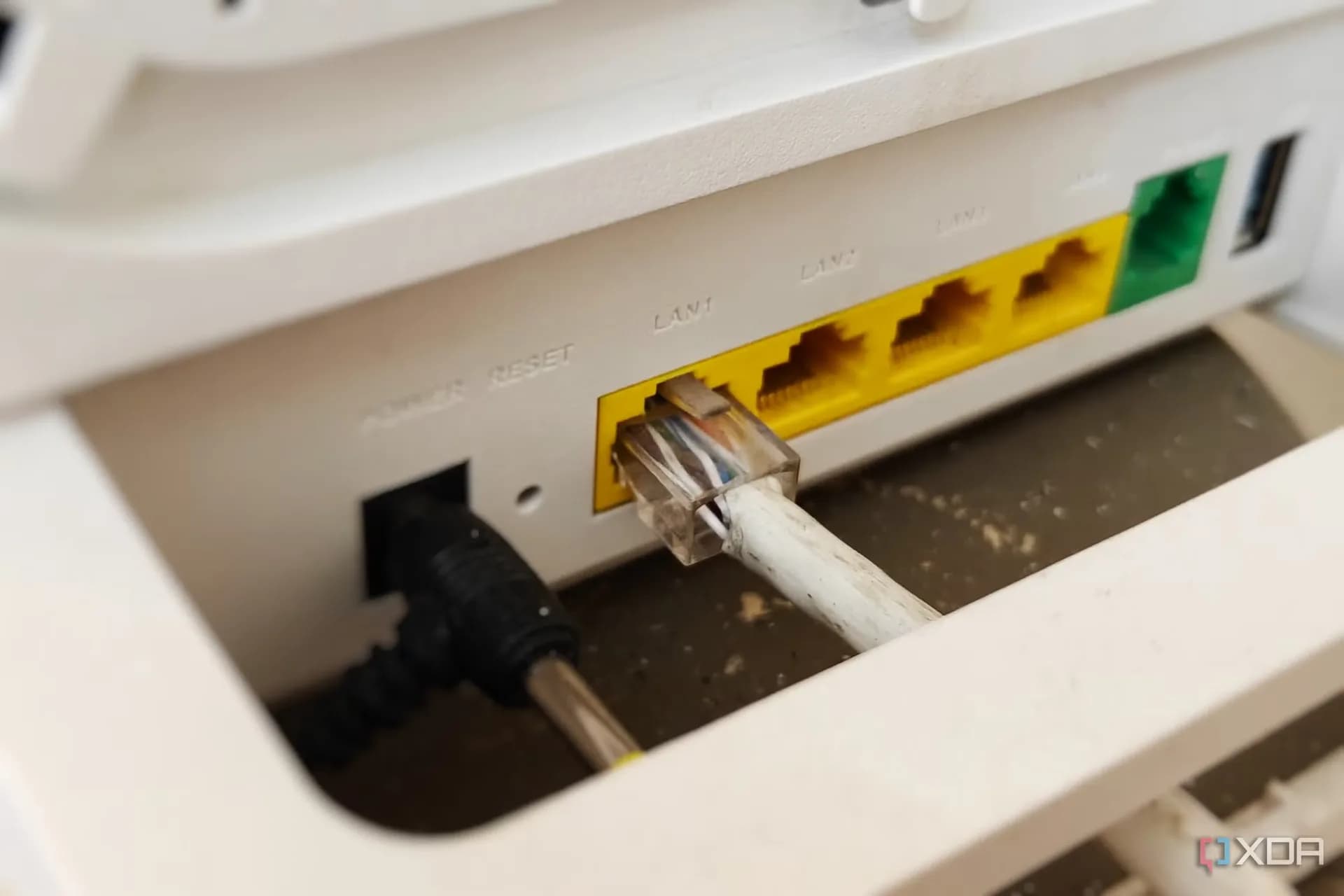



Be the first to comment
Join the argument. No password, just your email or a passkey.