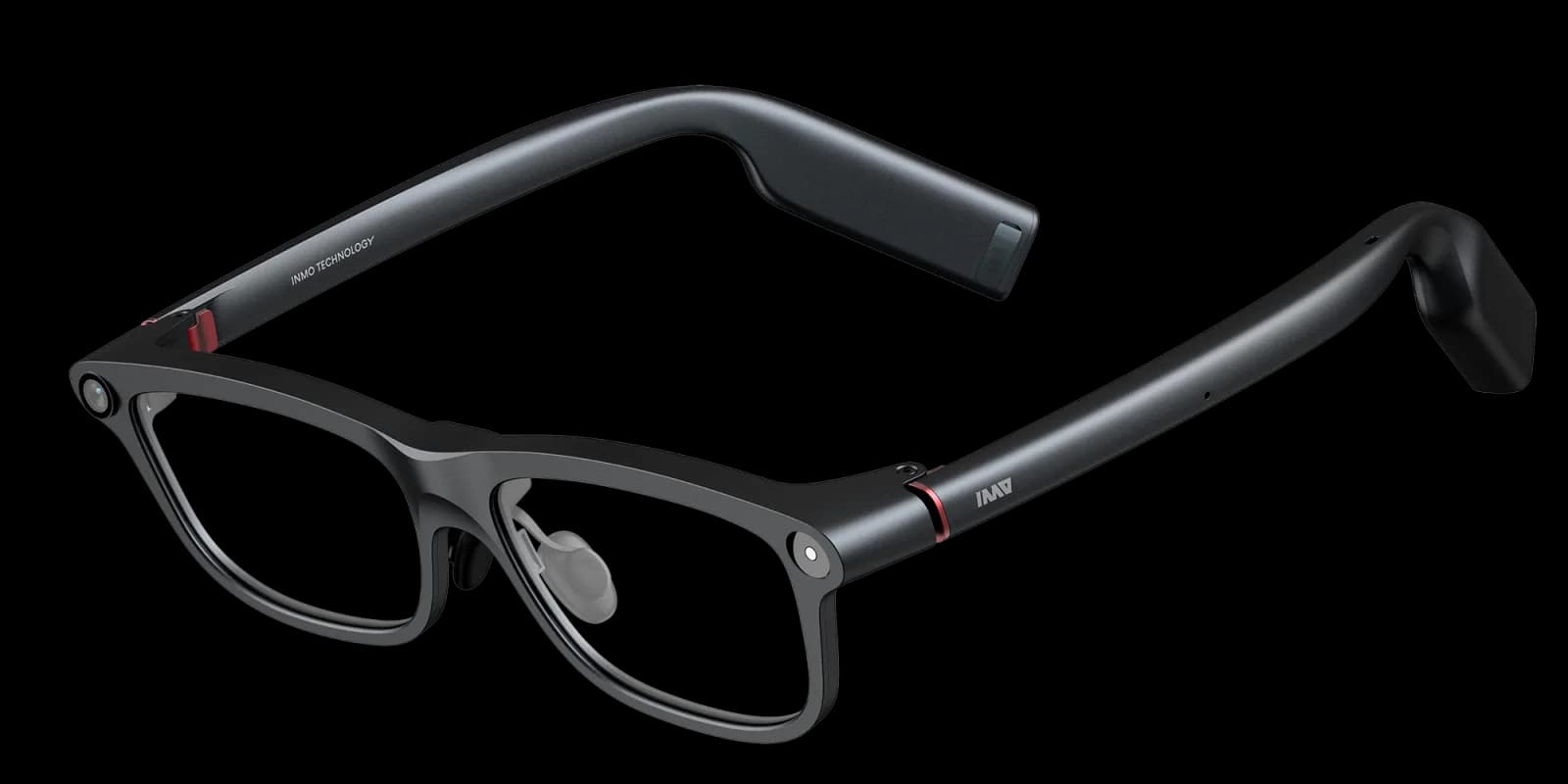
Google’s Android XR smart glasses — the first wave built by Samsung in partnership with Warby Parker and Gentle Monster, will blur faces before sending images to Gemini, block real-time facial recognition in third-party apps, and enforce hardware-level privacy controls. Preorders opened Friday, with U.S. And South Korean shipments starting December 10, 2026, at $395.
No Indian price or launch date is confirmed. The glasses feature a 12MP ultrawide front camera, built-in speakers and mic, and up to nine hours of battery life per charge, topped up via a dedicated case. They work with Pixel and Galaxy phones running Android 17 or One UI 9, plus iPhones.
Google says all visuals sent to Gemini for on-device or cloud-based queries, like translating a menu or identifying an object, are automatically redacted: faces of bystanders and the wearer (e.g., in mirrors or selfies) are blurred before upload. Those images won’t appear in Gemini’s history log, won’t train AI models, and won’t feed ads.
Third-party apps from the Play Store can’t access the camera for live facial recognition or streaming, only Google’s native tools can. A front-facing LED must light up during recording, and it’s tamper-proof: cover it, disable it, or obstruct it, and the camera shuts off. A physical power switch lets users kill all functions instantly.
Shahram Izadi, Android XR VP and GM, framed it plainly: “personal help doesn’t come at the expense of anyone’s privacy.” That’s a direct response to backlash over Meta’s Ray-Ban glasses, dubbed “perv glasses” for enabling covert filming, and to documented hacks like the Harvard student who jury-rigged one into a real-time face ID tool. Google hasn’t claimed the system is foolproof.
But it’s the first major smart glasses platform to bake these protections into firmware, hardware, and policy, not just marketing. Next: global rollout beyond the U.S. And South Korea. India remains unannounced.
GDFiled by The Gadgets Desk
Audio, wearables, cameras, tablets, chargers and every other device worth carrying or plugging in.
More from this desk →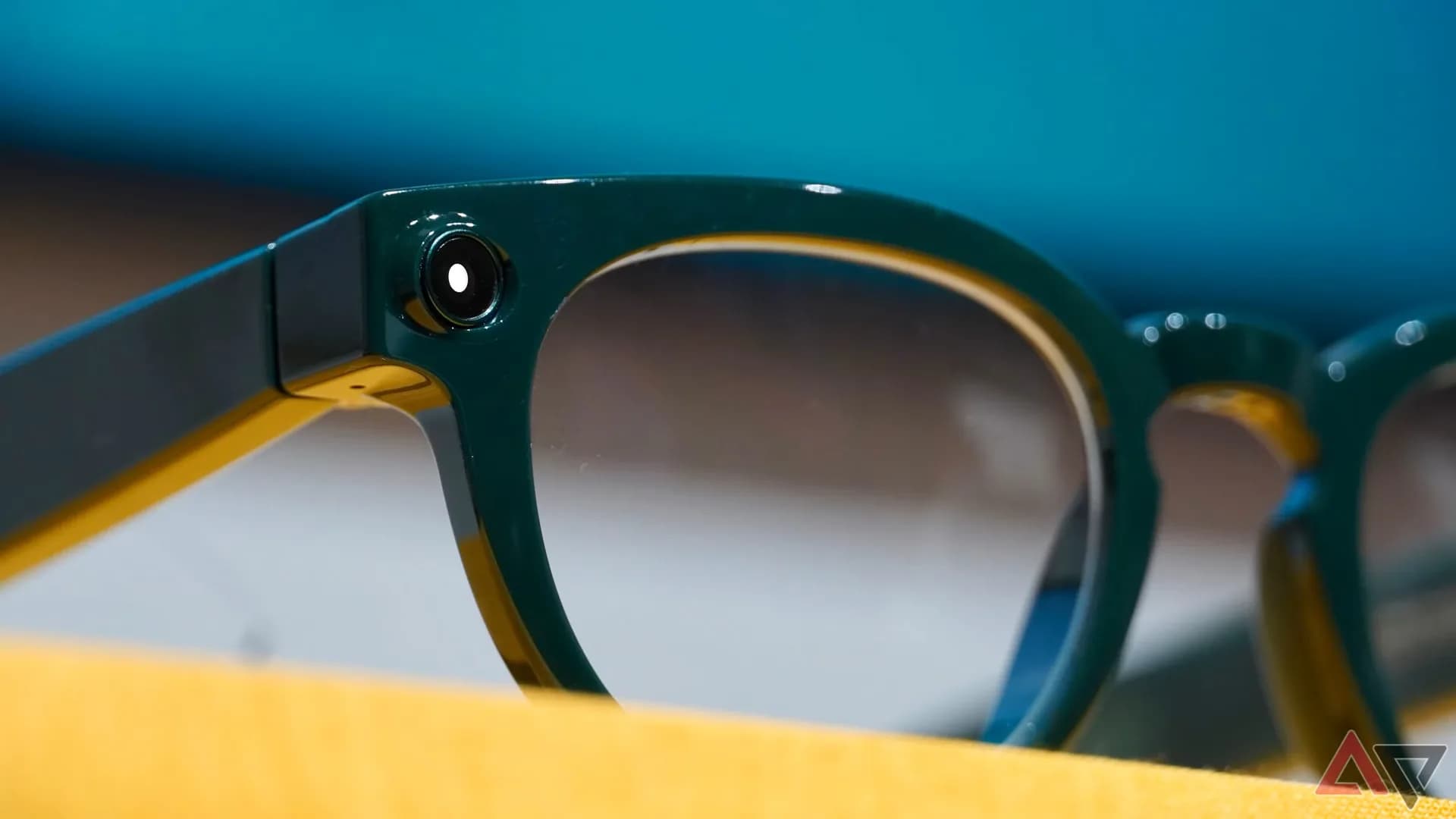

Be the first to comment
Join the argument. No password, just your email or a passkey.