Samsung's first pair of Android XR glasses now has a rough release window, and it's later than earlier reporting suggested. A fresh report out of South Korea says the Intelligent Eyewear will go on sale in mid-December, walking back an earlier claim from the same country that pointed to a November launch, citing "a Samsung official."
The timing isn't the only catch. The glasses are expected to launch in just two markets to start: South Korea and the United States. Europe, China and Japan are reportedly being left out of the initial rollout.
That pattern will sound familiar to anyone who watched Samsung's Galaxy XR headset roll out. That device launched in South Korea and the US last October and didn't reach the UK until July this year. The strategy, according to the new report, is for Samsung to gauge how the Korean and American markets respond before deciding where else the glasses go. Pricing hasn't been set, or at least hasn't been disclosed.
What the glasses actually do
The Intelligent Eyewear runs Android XR with Google's Gemini baked in, but there's no display built into the lenses. Instead, Samsung is leaning on a camera, microphones and speakers to handle the smart-glasses side of things. The glasses can do real-time translation, give spoken turn-by-turn directions and photograph documents or meeting notes, which then get automatically filed into the Notes app on a paired Galaxy phone.
Power comes from Qualcomm's Snapdragon AR1 Gen 1 chipset, a platform built specifically for lightweight AR and smart-glasses hardware rather than full headsets. Samsung has claimed up to 9 hours of use per charge, though that figure hasn't been independently verified yet since the glasses haven't shipped.
Samsung isn't designing these alone. The frames come from a collaboration with eyewear brands Gentle Monster and Warby Parker, and four styles have been shown publicly so far: two unveiled at Google I/O back in May, and two more at Samsung's own Galaxy Unpacked event.
Why the staggered rollout matters
Samsung's caution here tracks with how cagey the entire industry still is about smart glasses without a screen. Meta's Ray-Ban line has sold well enough to justify repeated updates, but competing against an established camera-and-audio glasses category means Samsung has to prove Gemini integration and the Notes-app tie-in are worth the upgrade, not just a Galaxy-branded accessory.
A display-free pair also keeps costs and battery demands lower than anything resembling Google's original Project Astra demos or Meta's Orion concept, both of which assume some kind of heads-up visual layer eventually.
For now, nothing here is official. Samsung hasn't confirmed a date, a price or the launch markets itself, and the sourcing traces back to Korean reporting rather than a company announcement. If the mid-December window holds, expect Samsung to say more as that date approaches, including whatever price tag it finally settles on.
GDFiled by The Gadgets Desk
Audio, wearables, cameras, tablets, chargers and every other device worth carrying or plugging in.
More from this desk →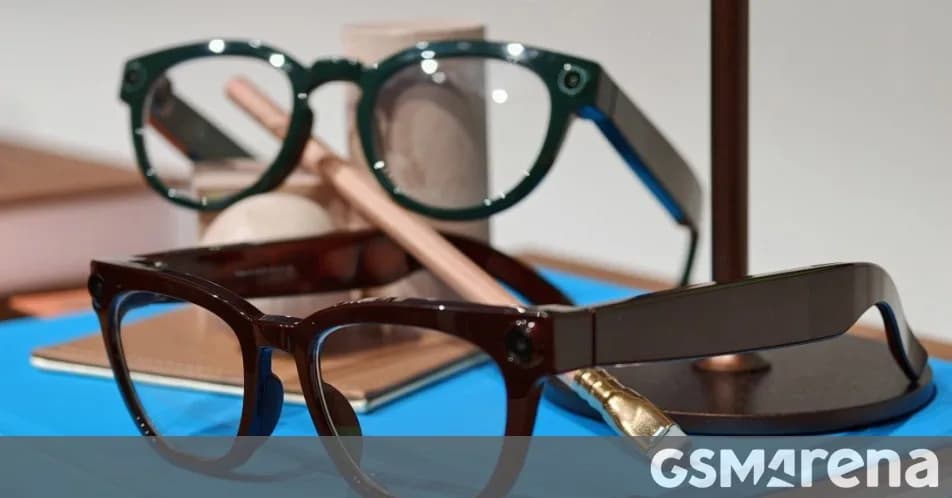


Be the first to comment
Join the argument. No password, just your email or a passkey.