Anthropic is pushing its Claude chatbot further into workplace productivity with Claude Docs, a built-in rich text editor aimed directly at traditional office tools.
Launched quietly alongside Claude Slides in September, the tool turns transient chatbot outputs into living, editable documents. Unlike standard text exports that sit frozen on your hard drive, a Claude Doc stays tethered to the conversation that created it. Anthropic has enabled the editor by default for everyone across all tiers, including unpaid accounts.
Users can trigger the editor in a few ways. Claude frequently serves a "Create Doc" button at the end of answers, or users can invoke it manually by typing the /doc command into chat. Documents also live inside Claude's Artifacts tab, where they can be reopened from subsequent conversations or created from scratch.
Once opened, the interface mimics a standard word processor. Documents can be popped out into standalone browser tabs, split into tabbed sections, and edited using a forward-slash block menu for headings and lists. It also includes formatting controls for data tables and embedded images.
Live Co-Authoring And Version Control
Reporting from XDA Developers details how the editor handles live drafting. When asked to construct a project brief, the AI populates an outline and writes out text sections sequentially without locking the document. That allows users to write into empty sections while the assistant continues drafting elsewhere on the page.
Collaboration happens inside inline comment threads. Highlighting a passage and typing @claude lets users ask for targeted revisions, with quick buttons available to simplify or shorten selected copy. The system maintains context from the entire chat during those revisions and logs changes in a version history dropdown in the top-left corner.
Work created inside the tool does not have to stay there. Claude Docs exports to Word documents, PDFs, and Markdown files, with options to send text straight to Notion or Google Docs.
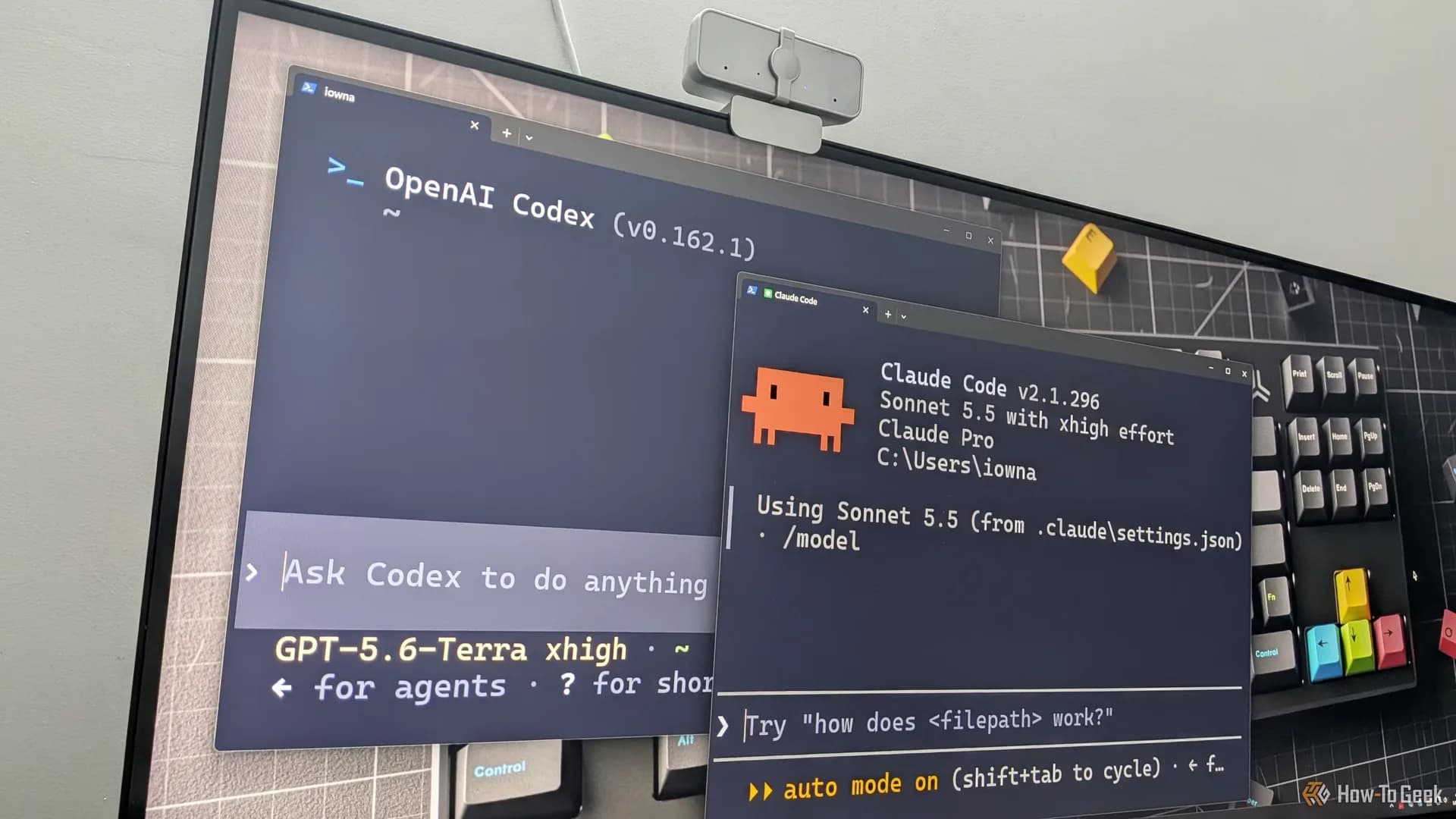
Claude Docs shows its biggest advantages when paired with Claude Code. Because a Claude Code session operates inside a working directory, the model can read local project folders directly. In testing by XDA Developers on an Obsidian vault, the editor generated a status brief by reading modified file timestamps across the vault, populating interactive status tags and functional checklists without requiring manual file uploads.
Google Docs still holds major advantages, particularly in enterprise distribution and real-time collaboration. While Google AI features through Gemini allow Drive search and inline assistance inside Google Docs, launching an idea from scratch still means moving between the Gemini app and a blank canvas.
Anthropic's implementation also leaves obvious gaps. Sharing a Claude Doc requires the recipient to hold a Claude account, and the platform lacks comment-only permission roles for external reviewers. Deletions are also permanent, with no trash bin available to restore discarded work.
SDFiled by The Software Desk
Apps, platforms, operating system releases, security fixes and the features arriving in them.
More from this desk →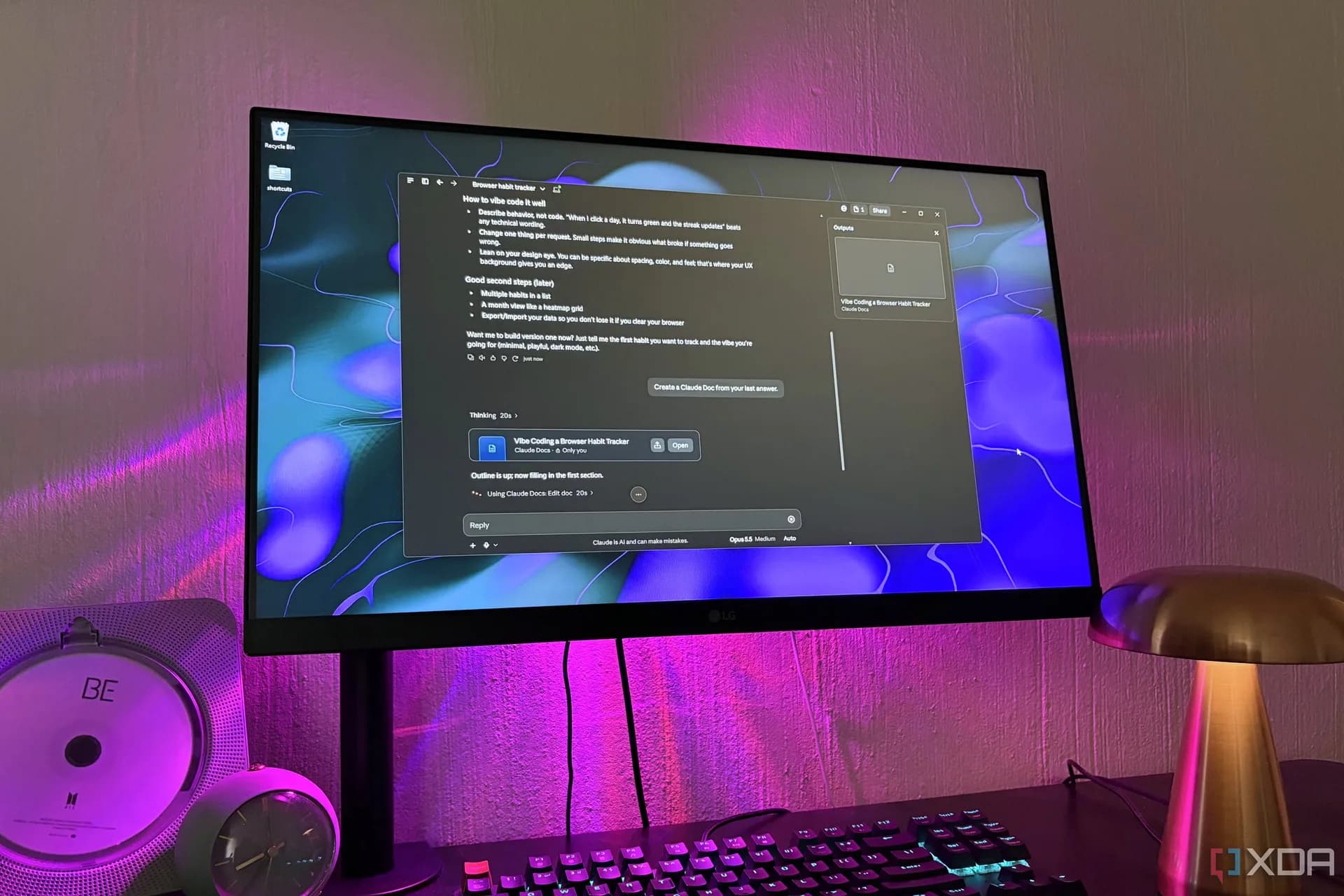
Be the first to comment
Join the argument. No password, just your email or a passkey.