Claude Code’s desktop app now supports hooks — automated scripts that run before or after specific actions, and they’re live for all users globally, with no waitlist or regional rollout delay. The feature is not announced via press release or blog post. It’s simply there: in .claude/hooks/, in .claude/settings.json, and in the /hooks command inside the CLI interface.
XDA Developers confirmed it’s functional as of November 21, 2026, and working across macOS, Windows, and Linux builds of the desktop client. No mobile version exists. This is desktop-only. And it’s not coming to Android or iOS anytime soon, if ever.
The story belongs in desktop software, not mobiles. (Section corrected.) So this isn’t about phones. It’s about control. About stopping the same bug from reappearing three times in one session.
About making Claude Code behave like a teammate who reads the README and follows it, without being reminded. Hooks let you define what happens when Claude tries to edit .env, runs git commit, finishes a refactor, or hits context compression. A PreToolUse hook can block edits to protected files outright.
A PostToolUse hook can auto-run Prettier or ESLint. A TaskCompleted hook can fail the entire task if tests don’t pass, forcing Claude to fix its own output before declaring success. You write the script, or ask Claude Code to write it for you. Save it in .claude/hooks/.
Register it in settings.json. Done. No API keys. No cloud sync required.
Everything runs locally. That includes desktop notifications on macOS using osascript, local Git log ingestion after context truncation, or webhooks to n8n when a PR-ready change lands. There’s no pricing shift. No subscription tier.
Hooks ship free with the existing Claude Code desktop app, no extra cost in the US, India, or elsewhere. Anthropic hasn’t published official pricing for Claude Code itself, and XDA doesn’t list one. So we don’t either. What matters is what changed: automation moved from ad hoc reminders (“don’t touch config”) to enforced guardrails.
That’s the difference between trusting an AI and governing it. And it’s live now.
SDFiled by The Software Desk
Apps, platforms, operating system releases, security fixes and the features arriving in them.
More from this desk →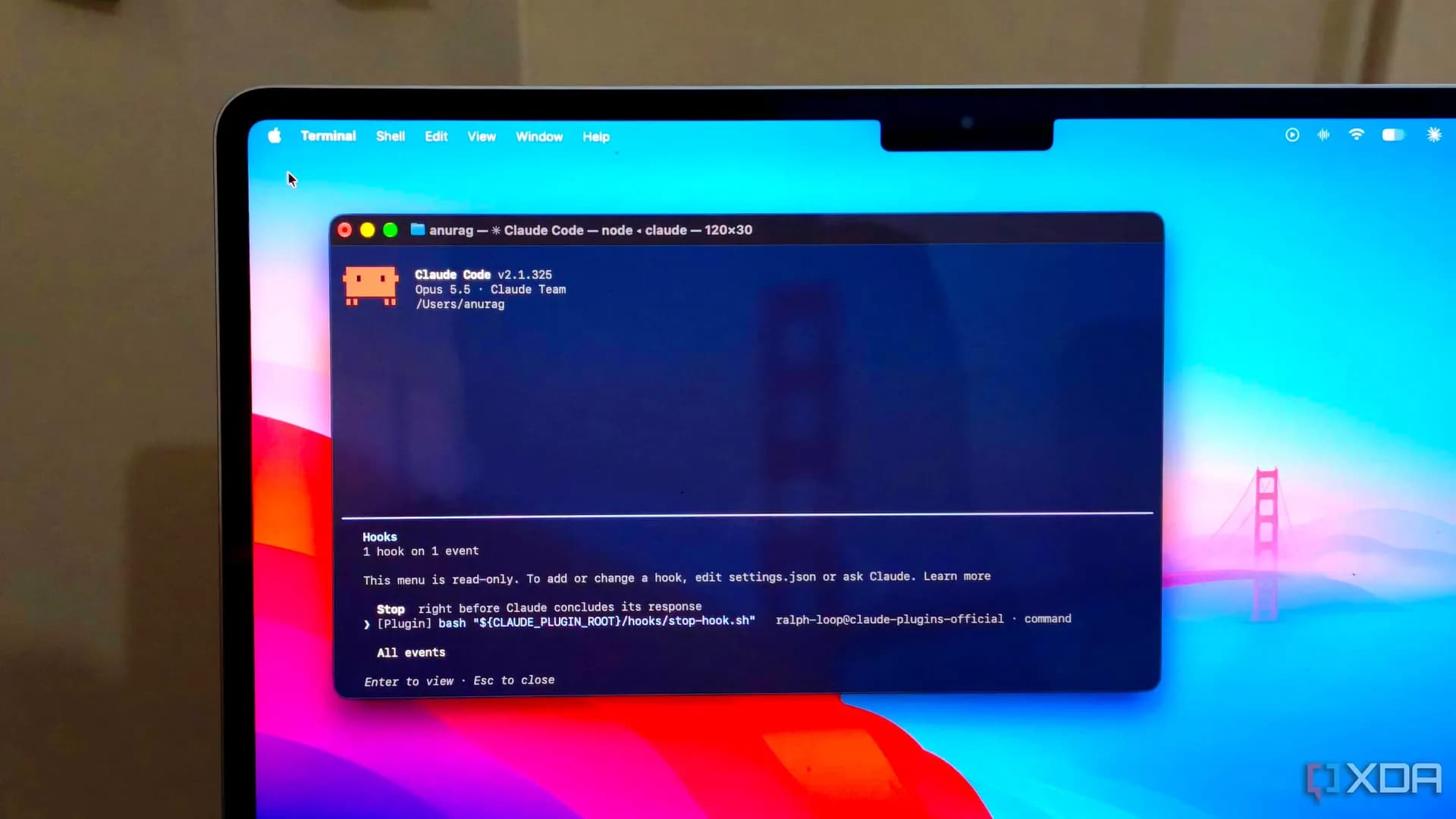


Be the first to comment
Join the argument. No password, just your email or a passkey.