Apple built a mechanical aperture into the iPhone 18 Pro main camera, stepping into hardware territory that rival phone makers explored and largely walked away from years ago.
The new system shifts the lens opening between f/1.48 and f/4 in distinct steps. On paper, that gives photographers direct mechanical control over depth of field and sharpness instead of relying strictly on synthetic blur. But Notebookcheck, in its review giving the iPhone 18 Pro an excellent score, pointed out that the practical returns for typical snapshot shooters look narrow. The phone still relies on a comparatively small sensor relative to oversized sensors found in competing Android Ultra flagships. That smaller surface area blunts the optical separation that changing physical f-stops can deliver.
Android manufacturers already ran this experiment. Samsung introduced dual-aperture lenses on the Galaxy S9 before abandoning the concept after the Galaxy S20 series in 2020. Sony tried a dual-stop mechanism on the Xperia Pro-I and returned to fixed glass for later releases. Xiaomi kept an adjustable aperture on both the 13 Ultra and 14 Ultra, yet stripped the mechanism out starting with the Xiaomi 15 Ultra.
In each case, phone makers ran into the physical penalties of moving parts. Aperture blades demand valuable room inside crowded camera bumps. They add grams where engineers fight over milligrams. Moving pieces also present obvious points of mechanical failure when dropped on hard floors or rattled over years of daily handling.
Teardown analyses from iFixit reveal that the ultra-thin aperture blades inside the iPhone 18 Pro module are intricately assembled and appear virtually impossible to fix individually.
If an impact or internal friction jams the delicate leaves, repair technicians can't simply swap the aperture assembly. The entire camera cluster has to be replaced. That points to expensive out-of-warranty repair bills for owners holding onto their hardware past standard warranty windows. Android brands, by contrast, largely favored expanding physical sensor dimensions to boost light capture without putting fragile moving mechanics inside the lens barrel.
The design choice highlights differing engineering priorities across the industry. Where rivals moved away from moving mechanical parts inside phone cameras, Apple chose mechanical complexity within a familiar form factor. The iPhone 18 Pro is available now, and how the moving lens holds up against drops and daily wear will become clearer as buyers rack up real-world mileage over the coming months.
MDFiled by The Mobile Desk
Phones from leak to launch to price cut: what was announced, what it costs where, and when it goes on sale. Indian launches and prices included, not appended.
More from this desk →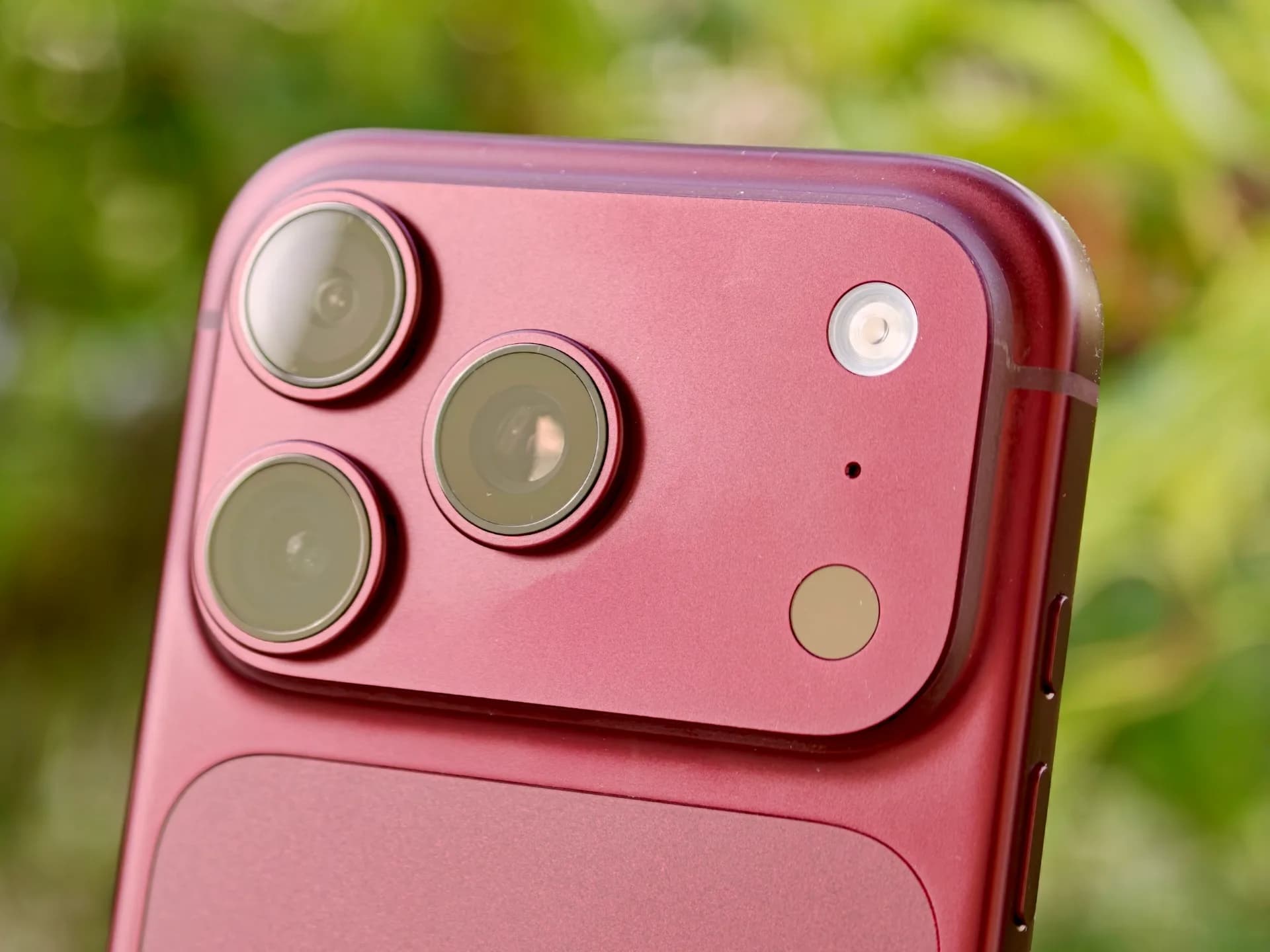
Be the first to comment
Join the argument. No password, just your email or a passkey.