Apple abandoned its longstanding method of stacking memory on top of mobile processors to prevent the upcoming iPhone Duo and iPhone 18 Pro lineup from overheating. The change shifts the company's mobile hardware toward the layout used in Mac processors, clearing a major hurdle ahead of the foldable iPhone Duo release scheduled for October 23.
Every iPhone processor before the new A20 Pro relied on package-on-package design. That approach stacked dynamic random-access memory directly on top of the system-on-a-chip to save room on crowded logic boards. While vertical stacking saves horizontal surface area, Dan Murray, Apple's vice president of silicon engineering, explained in an interview with PCMag that trapping DRAM directly over the processor creates a thermal bottleneck that blocks heat from escaping into the phone's chassis.
With the A20 Pro, Apple moved the memory beside the main silicon rather than over it. The setup, known as a wafer-level multichip module, spreads out components on a single plane. Placing memory adjacent to the computing cores requires more horizontal space inside the phone, but it lets thermal hardware contact the processor directly to pull heat away.
More Silicon Muscle Across Two Displays
Thermal management is crucial here because the A20 Pro packs more hardware onto Apple's first 2nm mobile architecture. The processor carries two high-performance super-cores alongside four efficiency cores, which Apple claims deliver a 20 percent jump in performance. Graphics hardware expands to seven GPU cores, yielding a claimed 40 percent boost, coupled with an updated neural accelerator offering 50 percent better throughput.
Machine learning silicon sees an even sharper jump. The neural engine doubles from the single 16-core cluster in the A19 Pro to two 16-core banks. Those 32 cores can work separately on background tasks or bond together to process intensive on-device artificial intelligence computations.
Cooling that setup inside the slab-style iPhone 18 Pro and 18 Pro Max is hard enough, but the foldable iPhone Duo presents a different physical envelope. Murray noted that Apple built a dedicated variant of the A20 Pro specifically for the foldable. That version integrates a second display engine capable of driving the external cover screen and the folding inner panel at the same time, while adding controller support for an under-display FaceTime camera behind the interior folding screen.
To pull heat away from both form factors, Apple redesigned the vapor chamber cooling hardware first introduced on the iPhone 17 Pro. Banafsheh Barabadi, Apple's senior manager of thermal product design, told PCMag that pairing the vapor hardware directly with the unstacked silicon packaging marked a complete reset of the company's thermal architecture.
Qualcomm recently adopted a similar side-by-side memory arrangement for its Snapdragon 8 Elite Gen 6 platform, showing that phone makers are hitting the same thermal limits across the industry. The real test comes when the hardware hits retail shelves, starting with the iPhone Duo rollout on October 23.
MDFiled by The Mobile Desk
Phones from leak to launch to price cut: what was announced, what it costs where, and when it goes on sale. Indian launches and prices included, not appended.
More from this desk →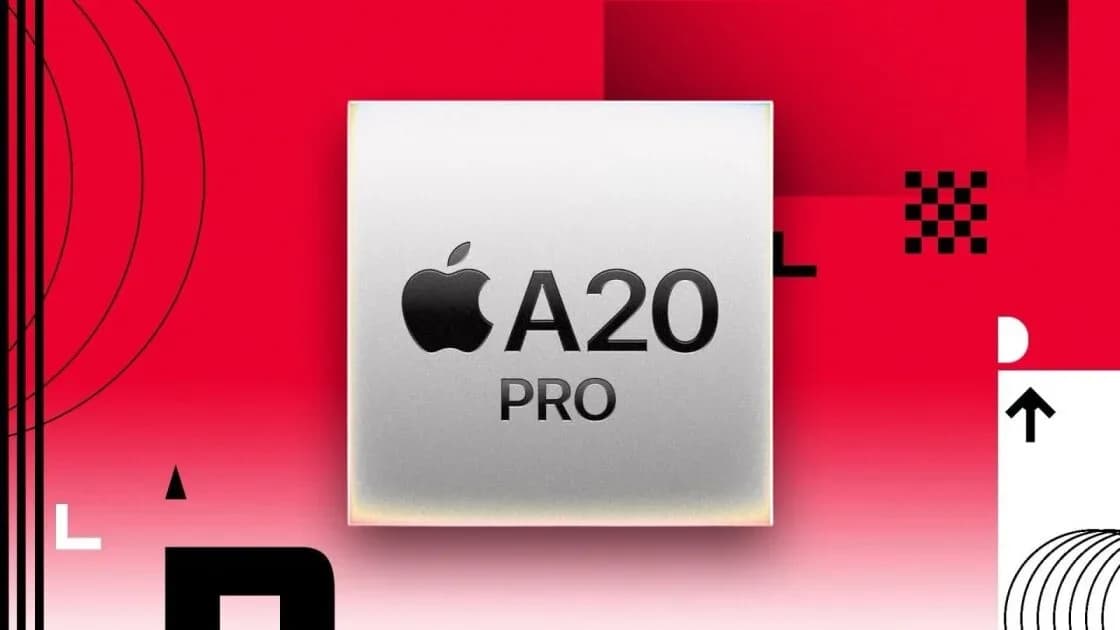


Be the first to comment
Join the argument. No password, just your email or a passkey.