Apple pushed out four new products on the same day this week, and the most eye-catching change sits in the smallest one. The iPad mini 8 drops the 8.3-inch LCD panel from its predecessor for an 8.5-inch OLED display, with up to 1,200 nits of peak HDR brightness and, on the 256GB and 512GB models, an optional nano-texture finish to cut glare.
At 5.4mm thick, it's also the thinnest iPad mini yet, and the first to carry an official IP67 rating for water and dust resistance. Against the iPad mini 7, the refresh resolution hasn't moved. The screen still tops out at 60Hz, with no ProMotion, so anyone hoping for a smoother scroll will have to look at the iPad Pro line instead.
The new A20 Pro chip is doing the heavy lifting elsewhere. Apple says it delivers up to 60% faster CPU performance, graphics that run 2.7 times quicker, and AI tasks that complete 4.5 times faster than the previous A17 Pro-based model, claims that haven't been independently verified. Buy the 512GB version and you also get an extra CPU core and a second 16-core Neural Engine that the 128GB and 256GB configurations don't have. The tablet picks up Wi-Fi 7, Bluetooth 6, Thread support, and Apple's own C2 modem on cellular units, plus a relocated front camera on the landscape edge and a new Adaptive True Tone flash around back. It starts at $699 in Midnight or Starlight, with a $79 TechWoven Smart Folio sold separately.
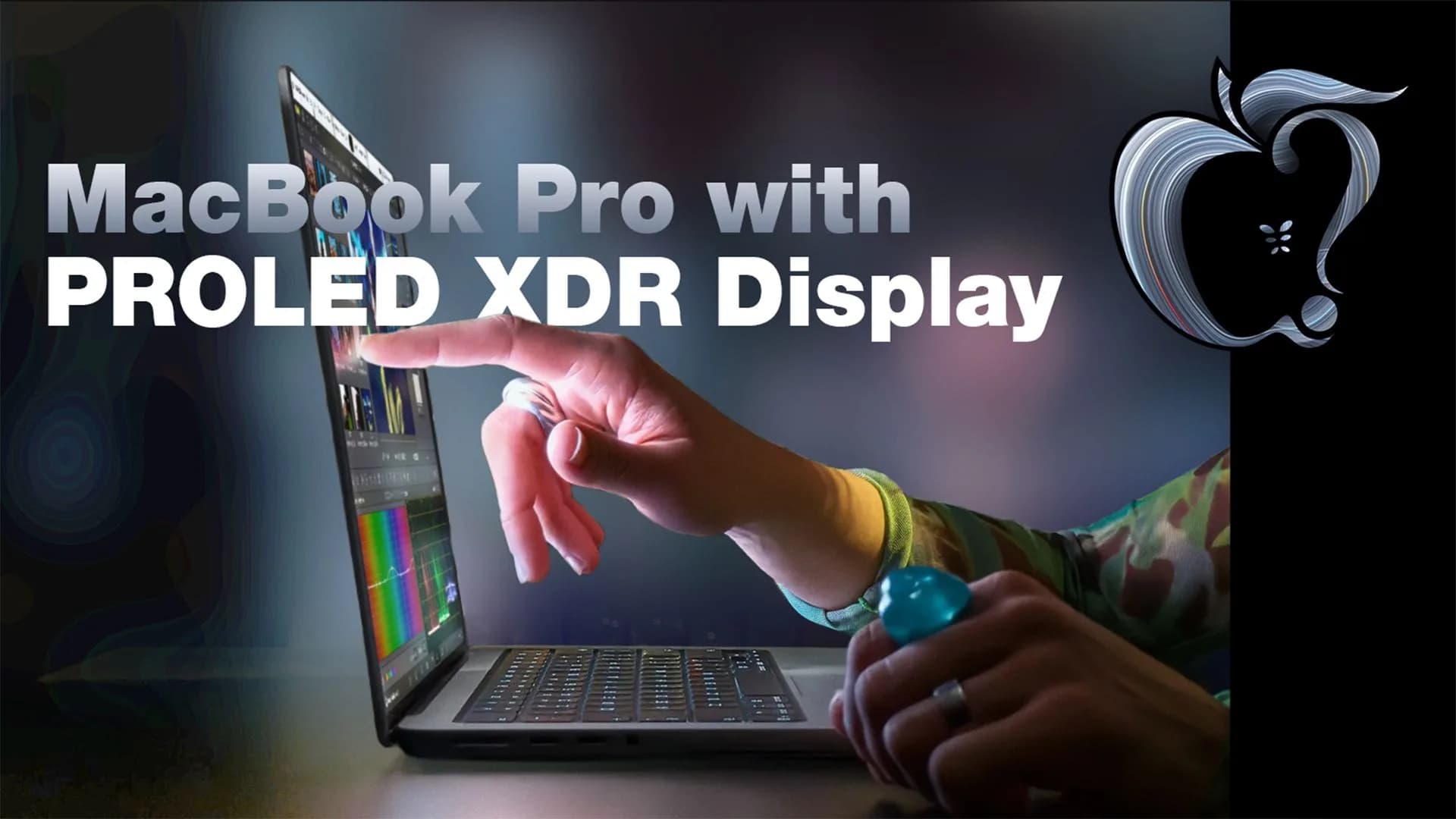
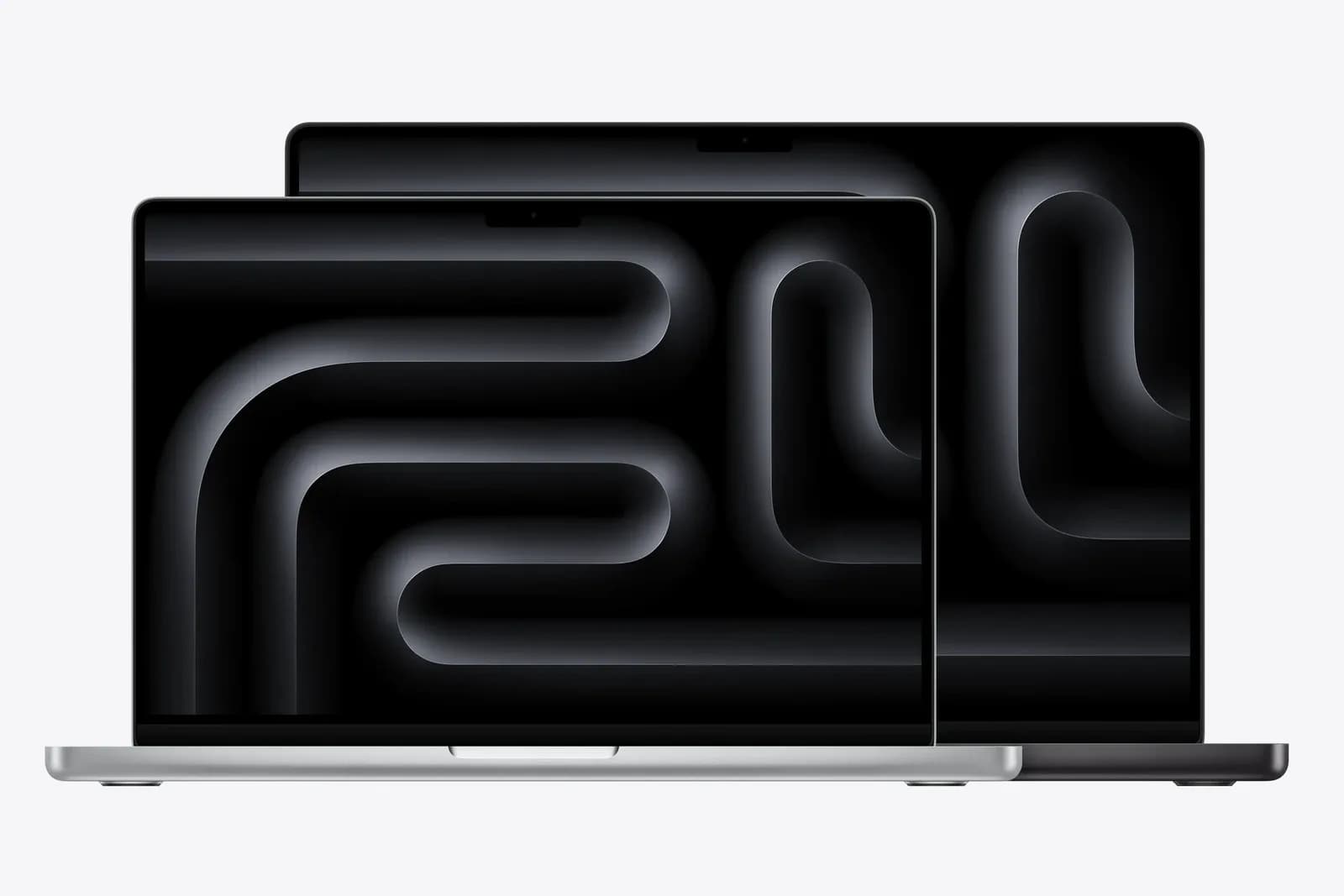
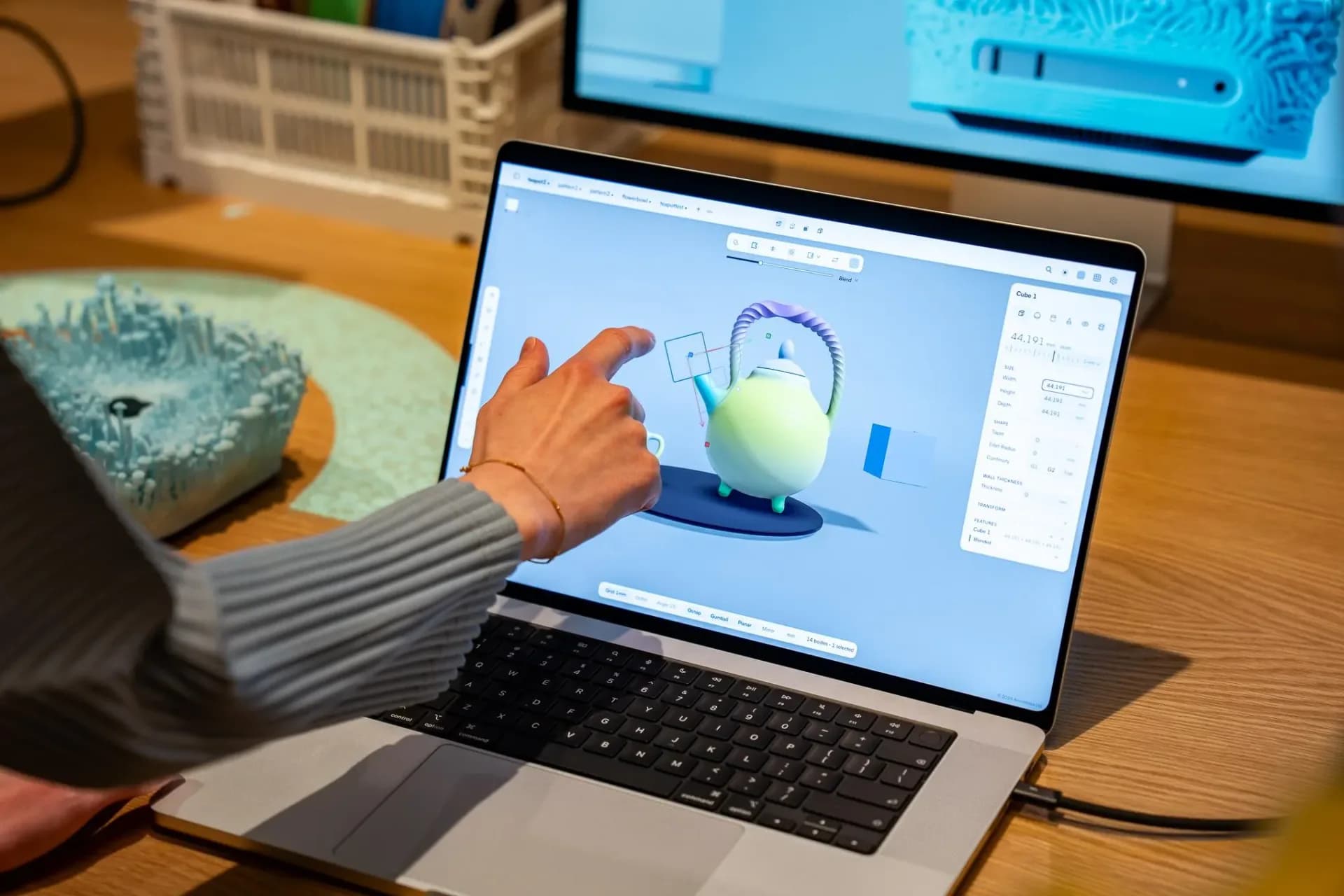
The MacBook Pro redesign is the bigger structural shift. A Dynamic Island replaces the notch at the top of the OLED display, carrying over Live Activities and Siri access from the iPhone and iPad. Apple shrank the enclosure, too: the 14-inch model weighs 3 pounds and the 16-inch, whose screen now measures 16.3 inches, weighs 4 pounds. The glowing Apple logo on the lid is back after years away.
Under the hood, nothing has changed, the M5 Pro and M5 Max chips from earlier this year carry over untouched, with Apple instead reworking the thermal system and doubling maximum storage to 16TB. The speakers get 50% deeper bass and separate tuning for closed-lid use. Pricing starts at $2,899 for the 14-inch and $3,399 for the 16-inch, roughly $400 more than equivalent mini-LED configurations cost before.
The cheaper 14-inch MacBook Pro, the one that still ships with a mini-LED screen, moves from M5 to M6 silicon with a 12-core CPU and 12-core GPU. Memory bandwidth climbs to 170GB/s on the 24GB and 32GB tiers, though the base 16GB configuration stays at 153GB/s. The $1,999 starting price and claimed 24-hour battery life haven't budged from the outgoing model.
The M6 iMac rounds things out with two extra CPU and GPU cores on both the two-port and four-port versions, along with Wi-Fi 7, Bluetooth 6 and 2.5 Gigabit Ethernet. It starts at $1,499, or $1,699 for the four-port configuration.
All four are open for pre-order now, with deliveries and in-store availability beginning November 6.
CDFiled by The Computing Desk
Laptops, desktops, processors, graphics cards and the operating systems that run on them.
More from this desk →
Be the first to comment
Join the argument. No password, just your email or a passkey.