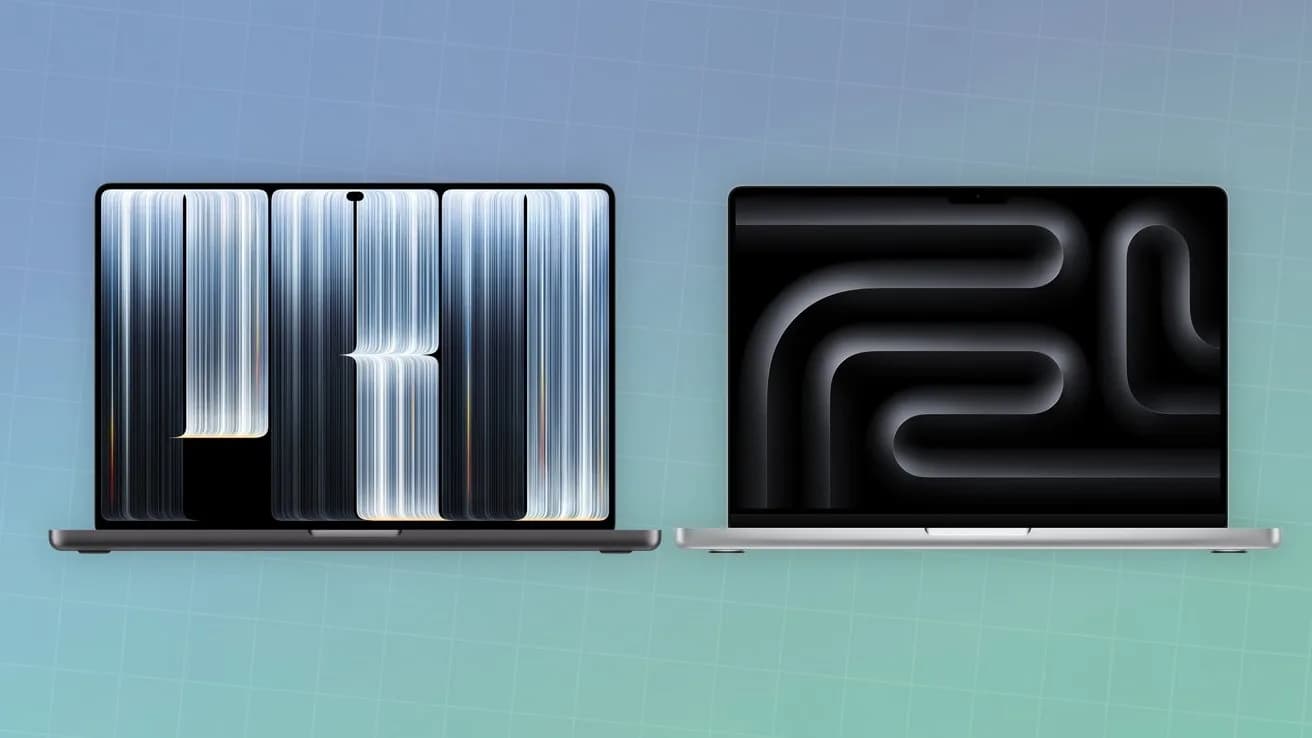
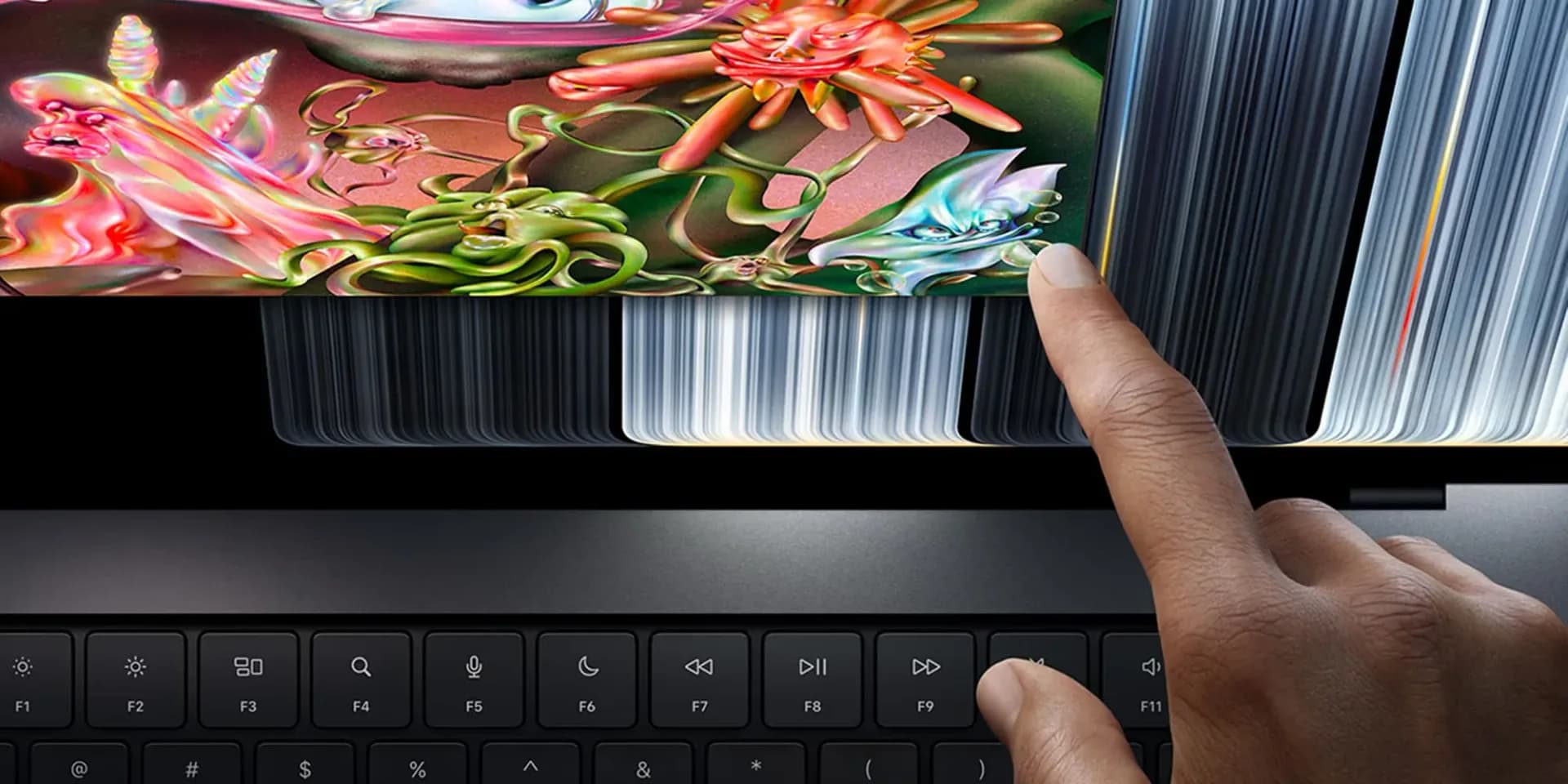
Apple has done the thing it spent 16 years saying it would never do. The company's new MacBook Pro ships with a touchscreen, and it pairs that with a tandem OLED panel Apple is calling the PROLED XDR Display, according to hands-on accounts from The Verge and Macworld following Apple's launch event.
The display is the headline act. Apple describes it as a "reference-caliber display," and both outlets that got early access call it among the best screens they've seen on a laptop, with deeper blacks than the Mini LED panels on current MacBook Pro models, high brightness, and what Apple says is infinite contrast. It's also the first laptop display to support Apple's CMF 2026 color modes, per The Verge's reporting from the event.
The chassis is lighter too. Macworld's Michael Simon says the new MacBook Pro is nearly a pound lighter than the 16-inch model it replaces, a change he says matters for anyone who carries one on a daily commute. Apple also swapped the old notch for a Dynamic Island, the pill-shaped cutout already familiar from the iPhone, and brought back the glowing Apple logo on the lid that disappeared from MacBooks back in 2015. According to Macworld, the logo can now be switched off entirely since it sits on what is effectively a small screen of its own.
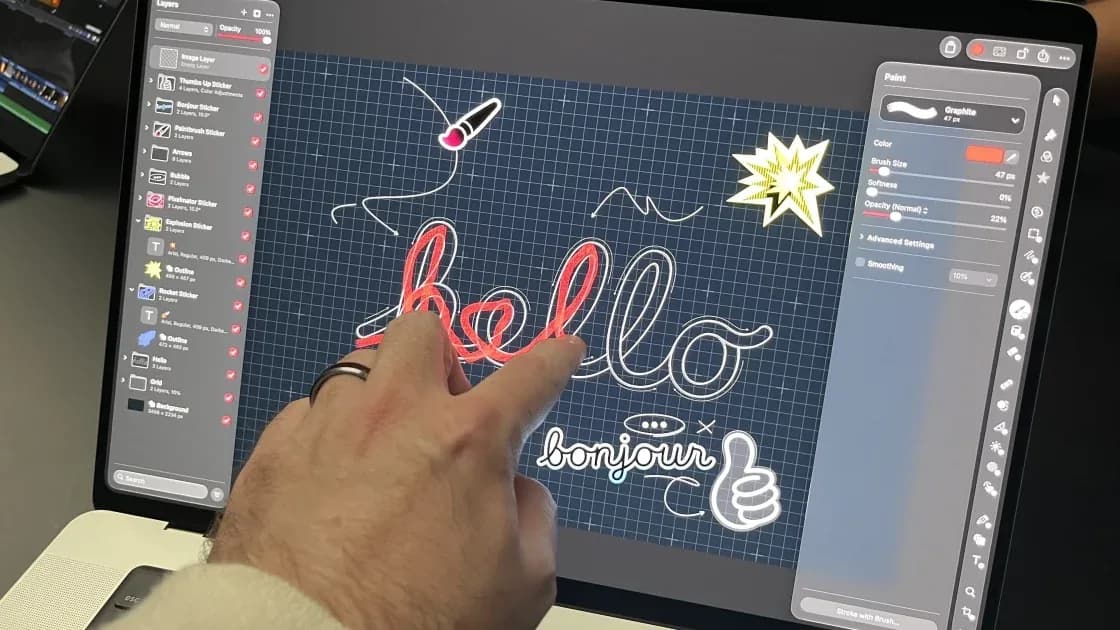
The touchscreen, though, is the part getting the most attention and the least enthusiasm. The Verge's Antonio G. Di Benedetto writes that touching the display mostly duplicates gestures you could already do on the trackpad, and that some interface elements in the new macOS 27 Golden Gate expand or magnify slightly when tapped but don't reshape how the operating system works. At briefings Apple arranged with professionals already using the machine, Di Benedetto says nearly everyone defaulted back to the keyboard and trackpad rather than the screen, treating touch as a nice extra rather than a new way of working.
There's a historical irony here. Macworld points out that Apple's touch debut on a Mac arrives 43 years after the HP 150, widely credited as the first commercial PC with a touchscreen. Apple held out through the entire convertible-laptop boom of the early 2010s, when Windows 8 pushed touch-first interfaces onto hybrid hardware that mostly faded into a niche. Apple waited that cycle out, and what it shipped looks less like a reinvention than a formality: swipe and poke if you want to, keep typing if you don't.
Apple Pencil support didn't make the cut. The Verge says professionals it spoke with at the briefings said they'd welcome stylus input, but nobody's expecting it soon, and there's no 360-degree hinge either. Neither outlet's report includes pricing or a release date for the new MacBook Pro, and Apple hasn't published them in connection with this unveiling.
What happens next is less about this laptop than the rest of the lineup. Macworld notes that OLED displays have been reported for a future MacBook Air, possibly around 2028, though any such panel would likely sit a tier below the Pro's. Whether the Dynamic Island and the glowing logo trickle down to cheaper Macs, and when, is still an open question Apple hasn't answered.
CDFiled by The Computing Desk
Laptops, desktops, processors, graphics cards and the operating systems that run on them.
More from this desk →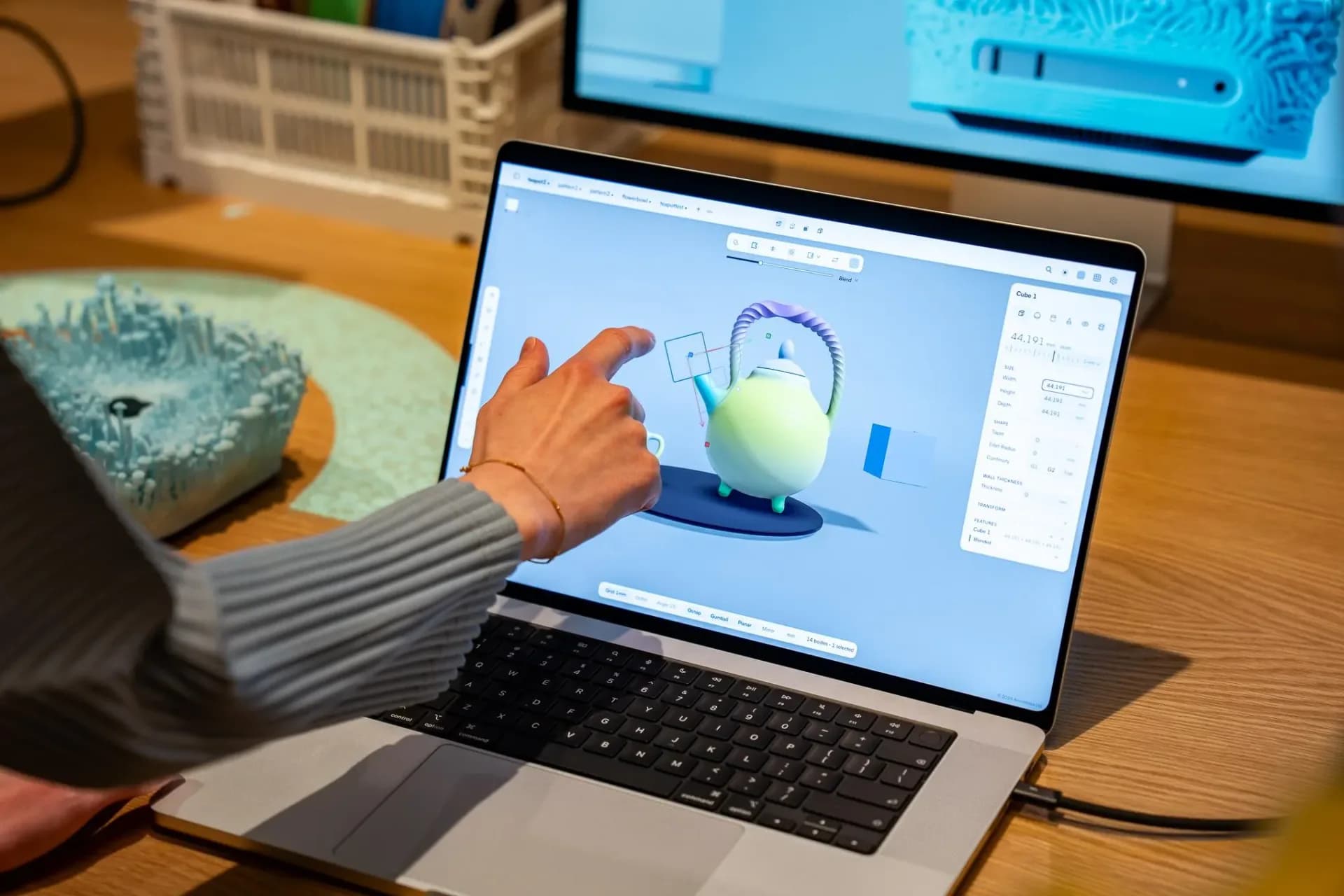
Be the first to comment
Join the argument. No password, just your email or a passkey.