A motherboard replacement on a 2023 Asus ROG Zephyrus G14 stripped out half the machine's memory, an owner in the Netherlands alleges. The gaming laptop went into warranty repair running 32GB of RAM. It came back with 16GB.
Reddit user “u/Thriceinabluemoon” shared the results after getting the notebook back from service. A photo of the Zephyrus BIOS setup screen showed only a single 16GB stick detected where two used to run. One of the memory modules had vanished during the mainboard swap. The owner contacted Asus support, alleging what they viewed as a suspected "theft" at the repair facility.
Asus said no.
Customer support denied that any extra memory had ever been installed in the laptop. The company rejected the claim, refused to supply a replacement module, and left the owner stuck with half the original capacity.
The extended warranty covered the replacement motherboard. But it created a whole new headache.
This dispute highlights an old trap for anyone shipping hardware out for service. Once a laptop goes into a box, proving what was inside the chassis becomes your problem. The Zephyrus G14 owner posted clear photos of the post-repair BIOS screen showing 16GB. What was missing from the post was any evidence captured before shipping the machine away.
No photos of the BIOS before packing. No clip showing the motherboard slots before closing the lid. Not a single diagnostic screenshot saved to a drive.
Without pre-repair proof, RMA claims almost always stall. Service facilities rely on intake logs and serial numbers. If the intake technician records 16GB on the bench, customer support treats that note as settled truth. The owner urged other customers in the Netherlands to pull their own memory sticks before sending systems in for repairs. Custom desktop builders follow that rule religiously. Laptop owners rarely do, especially when dealing with a manufacturer on an extended warranty contract.
Eating the loss stings more than usual today. Memory prices remain steep amid ongoing DRAM supply constraints, turning a fresh 16GB stick into an irritating personal expense. Unless the owner can surface old purchase receipts or saved diagnostic logs showing the 32GB spec at purchase, there is little left to do beyond appealing up the corporate support chain.
CDFiled by The Computing Desk
Laptops, desktops, processors, graphics cards and the operating systems that run on them.
More from this desk →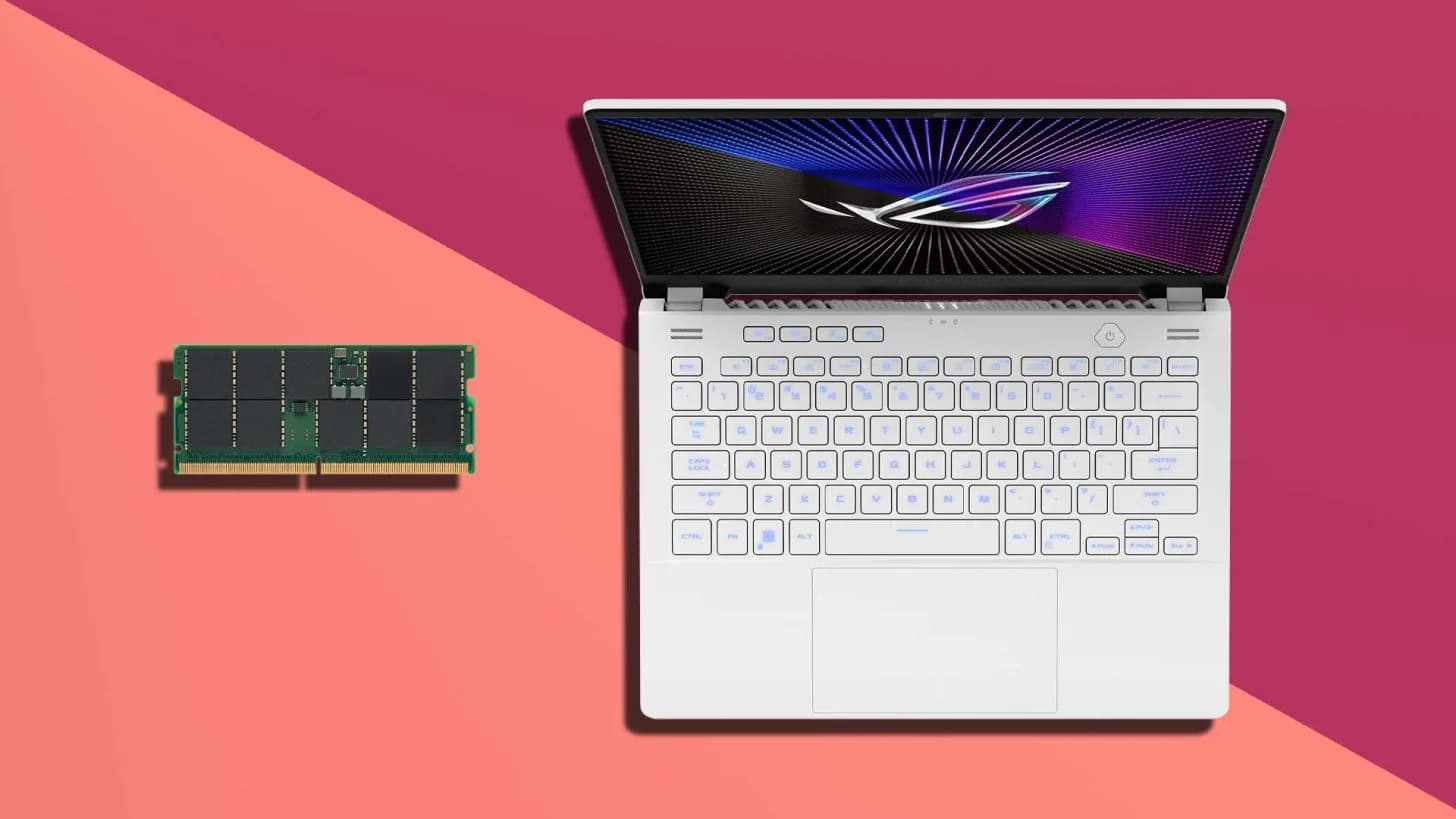
Be the first to comment
Join the argument. No password, just your email or a passkey.