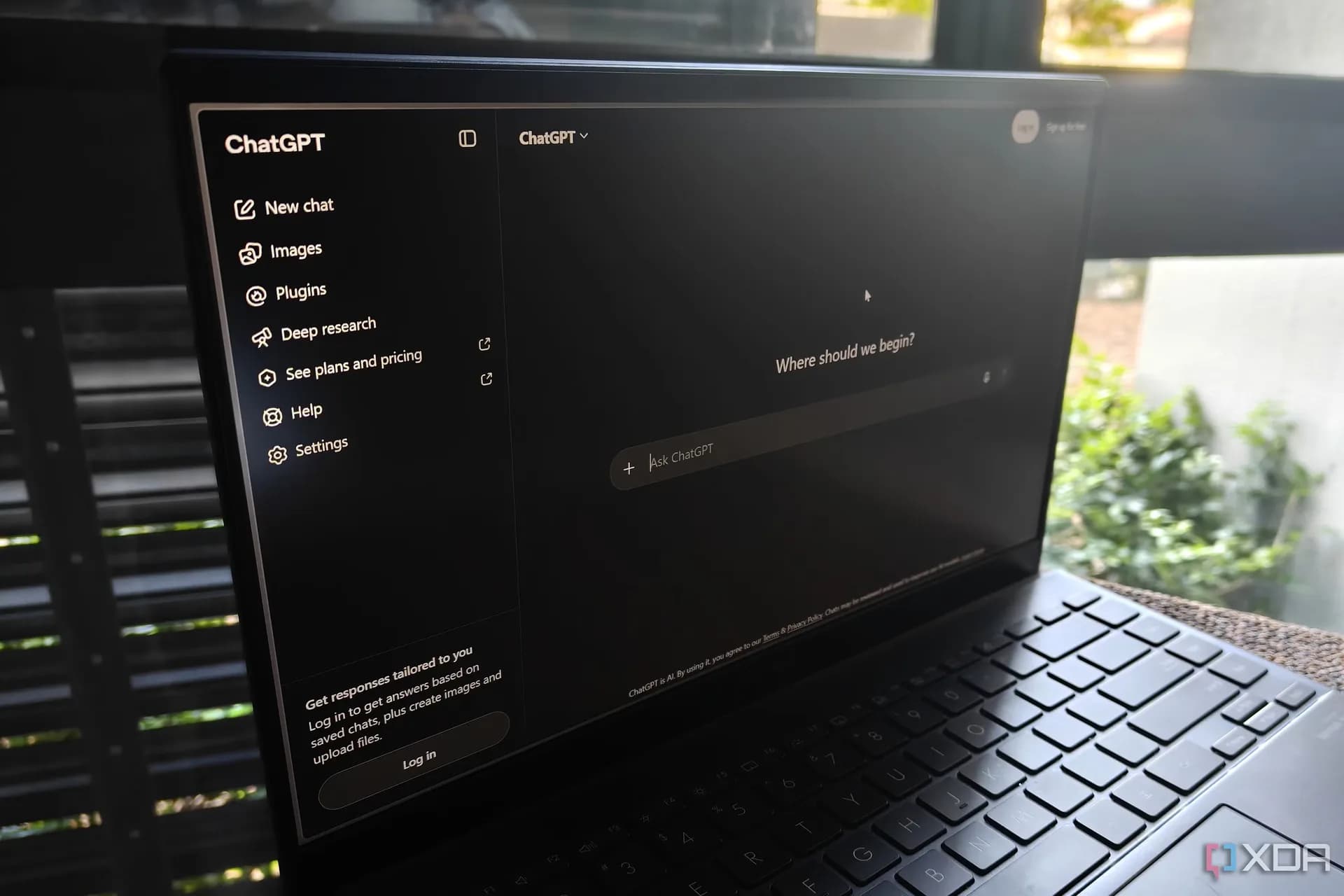
ChatGPT, Claude, and Gemini all fail a basic real-world test: recommending phones for people with chronic migraines. That’s not speculation — it’s what XDA Developers found when it asked each model the same medically grounded question and checked their answers against known display engineering facts. The results weren’t close calls. They were inconsistent, contradictory, and at times dangerously misleading. And they expose how little guardrails exist between an AI’s confidence and its accuracy, especially on health-adjacent hardware decisions. This isn’t about benchmark scores or camera specs. It’s about whether someone managing migraines can trust an AI to steer them toward a phone that won’t trigger pain. ChatGPT first recommended the Galaxy S26 Ultra. Then later advised against buying it, citing its low PWM dimming rate. Gemini told users to crank brightness to 100% and use third-party dimming apps to avoid flicker, ignoring that full brightness itself is a known migraine trigger, and that screen-overlay apps carry security risks. It also pushed the Honor 200 series, a 2023–2024 lineup, despite no prompt limiting age or budget. Claude avoided naming models altogether. Opting for vague brand-level suggestions, but at least didn’t misstate technical facts. The inconsistency extended beyond phones. When asked whether succulent flower stems can propagate new plants, ChatGPT and Gemini said yes (Gemini without hesitation. ChatGPT hedging with “sometimes”). Claude and Brave Search said no. Correctly. There was no consensus. No shared grounding in botany. Just four different models, trained on different data, making different calls on the same objective fact. None of this is new in theory. Every AI vendor warns users not to treat outputs as truth. But warnings don’t stop people from using ChatGPT or Gemini as quick-reference tools, especially when searching for “chatgpt app” or “gemini ai” on mobile. And those apps are now embedded in search, messaging, and even device settings. Their reach outpaces their reliability. What’s missing isn’t more training data. It’s better signal discipline: knowing when to say “I don’t know,” flagging contested claims, citing primary sources like display white papers or clinical guidelines. Not Reddit threads or outdated press releases. XDA notes that even NotebookLM, built to minimize hallucination, stumbles if fed weak source material. That’s the loop: bad inputs, confident outputs, unverified adoption. For now, there’s no fix baked into the apps themselves. Users still need to cross-check, especially on health, safety, or hardware compatibility. And developers? They’re still shipping AI features faster than they’re auditing their factual boundaries. XDA’s testing ran on current public versions of each model. No rollout dates, firmware updates, or policy changes were announced alongside the findings. The next step isn’t a patch. It’s pressure. From users, regulators, and clinicians, to treat medical-adjacent advice as high-risk output, not just another autocomplete suggestion.
ChatGPT app and Gemini AI give migraine sufferers bad phone advice
XDA Developers tested ChatGPT, Claude, and Gemini on migraine-safe phone picks — and found conflicting, outdated, and medically unsound advice across all three.
By Pocket
The Mobile Desk · (3 hours ago)
Reported from
How this story was made
Written by the Hitechreports desk from the reporting credited above, with facts attributed to their original publishers. We do not test devices ourselves; anything about performance, battery life or cameras comes from the outlets that did. Prices are as reported at the time of writing. Editorial policy · Report an error
Filed by The Mobile Desk
Phones from leak to launch to price cut: what was announced, what it costs where, and when it goes on sale. Indian launches and prices included, not appended.
More from this desk →Read next
More Smartphones →
Galaxy S26 Ultra price: €940 in Europe for 256GB, but not in all colors
Samsung Galaxy S26 Ultra price drops to €940 in Europe — but only for select colors and storage tiers, as stock dwindles post-Prime Big Deal Days.
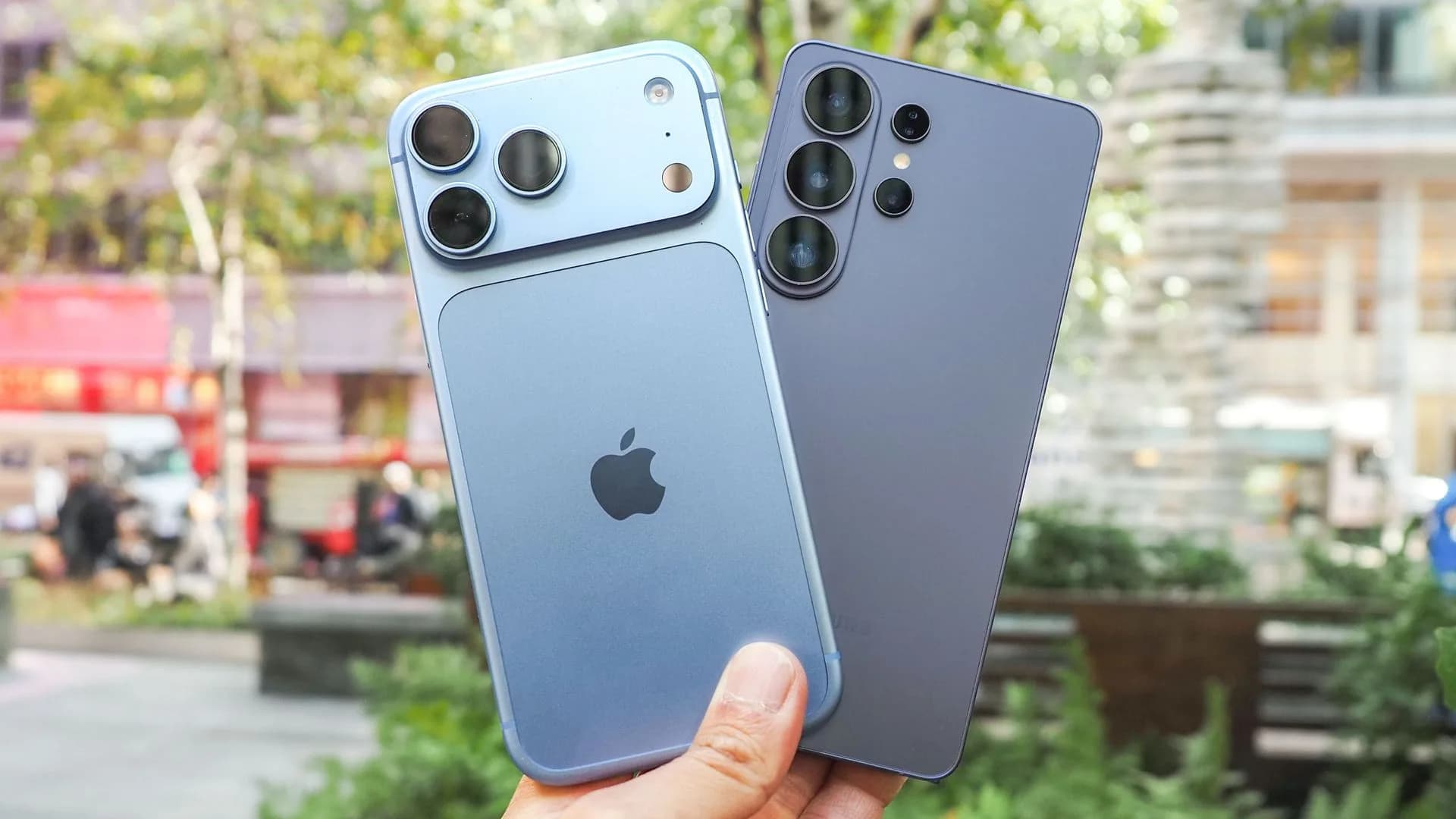
iPhone 18 Pro Max vs Galaxy S26 Ultra colors and camera results: Tom’s Guide shoots 200 photos
The iPhone 18 Pro Max and Galaxy S26 Ultra are now shipping globally — and their camera showdown is already settled, at least for daylight photography.
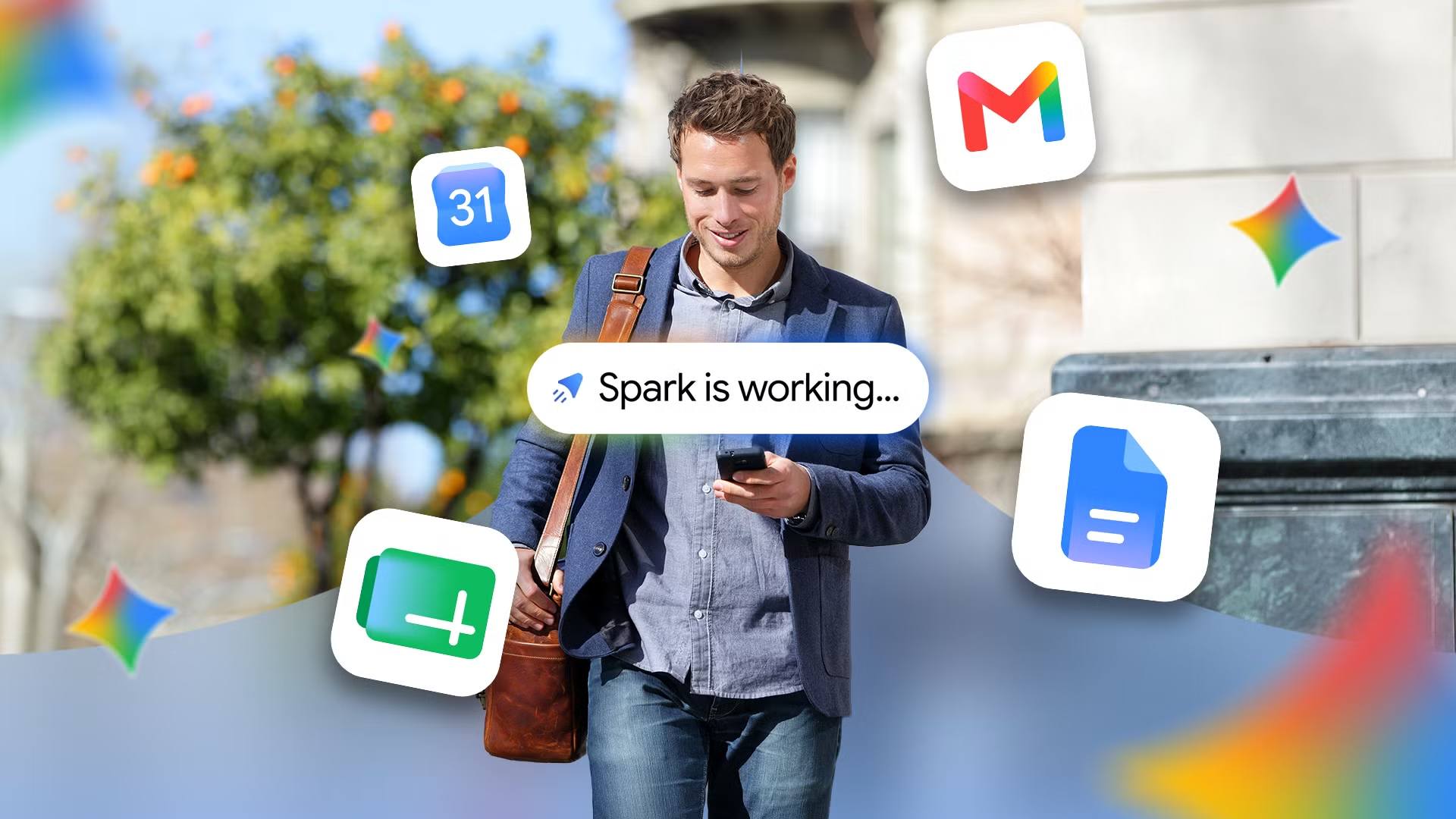
Gemini Spark Is Live: Google’s First Personal AI Agent, Free and Global
Gemini Spark is live: Google’s first personal AI agent, built into Gemini for Android, iOS, and Mac. Runs in the cloud. Requires no subscription. Already automating morning briefs, AI news scans, and NFL recaps — for free.
Be the first to comment
Join the argument. No password, just your email or a passkey.