OpenAI has rolled out GPT-Live-1.1, its latest voice model for the ChatGPT app — and with it, a broader, more regionally tailored set of voices across six languages, including Hindi, Japanese, Korean, French, German and Mexican Spanish. The update began distribution on October 15 and is rolling out gradually. No end date has been announced. Users in India and the US will see different voice options depending on account and region, a detail OpenAI explicitly notes in its release notes: “the voices you see may vary by region and account.” English users now get Bubbie, a new voice added alongside the existing nine (Arbor, Breeze, Cove, etc.), all of which previously leaned heavily on US or UK English phonetics. German speakers gain Sonna and Miko. French, Japanese, Korean and Mexican Spanish each receive at least one new voice. Accents are said to sound more natural across the board. Though OpenAI does not quantify how or where that improvement manifests. Searching behavior also shifts slightly: Live now uses a wider range of short verbal cues to signal active searching, replacing older, narrower prompts. The update follows late-September enhancements that let voice mode interact with calendars and reminders, but only after manual confirmation via tap. This time, the change is under the hood: a new model layer, not just new features. Two variants ship: the full GPT-Live-1.1 and GPT-Live-1.1 Quip, a lighter version optimized for speed and lower latency. Access depends entirely on subscription tier. Free users get limited, unnamed access to Quip only. ChatGPT Go ($20/month) includes three hours of Quip use per rolling 24-hour window. Plus ($20/month) unlocks three hours of the full GPT-Live-1.1. Pro ($100/month) raises that to 15 hours. The $200 Enterprise tier removes the cap entirely. Though OpenAI says abuse guardrails still apply. None of these quotas changed with this release. They’re unchanged from the FAQ published October 16. To try the new voices, users must update the ChatGPT app, then navigate to Settings > Voice. If nothing new appears, their account hasn’t been migrated yet. No public timeline exists for full rollout. The update lands as search traffic for ‘chatgpt app’ and ‘chatgpt free’ remains high, and as eight US states sue OpenAI over child safety claims, unrelated to voice functionality but adding regulatory pressure on how the company positions and gates access to its tools. The voice model itself is not available outside the official ChatGPT app. There’s no standalone ‘ChatGPT Voice’ download, no web-only voice interface, and no Android or iOS SDK for third-party integration. It runs only inside the app. And only for accounts that have received the backend switch.
ChatGPT app new voices: Hindi, Japanese, Korean, Mexican Spanish
GPT-Live-1.1 brings Hindi, Japanese, Korean and Mexican Spanish voices to the ChatGPT app — but only if your account’s been updated. Free users get limited access. Paid tiers unlock hours — or remove limits entirely.
By Inference
The AI Desk · (2 hours ago)

Reported from
How this story was made
Written by the Hitechreports desk from the reporting credited above, with facts attributed to their original publishers. We do not test devices ourselves; anything about performance, battery life or cameras comes from the outlets that did. Prices are as reported at the time of writing. Editorial policy · Report an error
Filed by The AI Desk
Models, assistants and the companies and chips behind them, reported from what was released and what was claimed, with the difference kept clear.
More from this desk →Read next
More AI →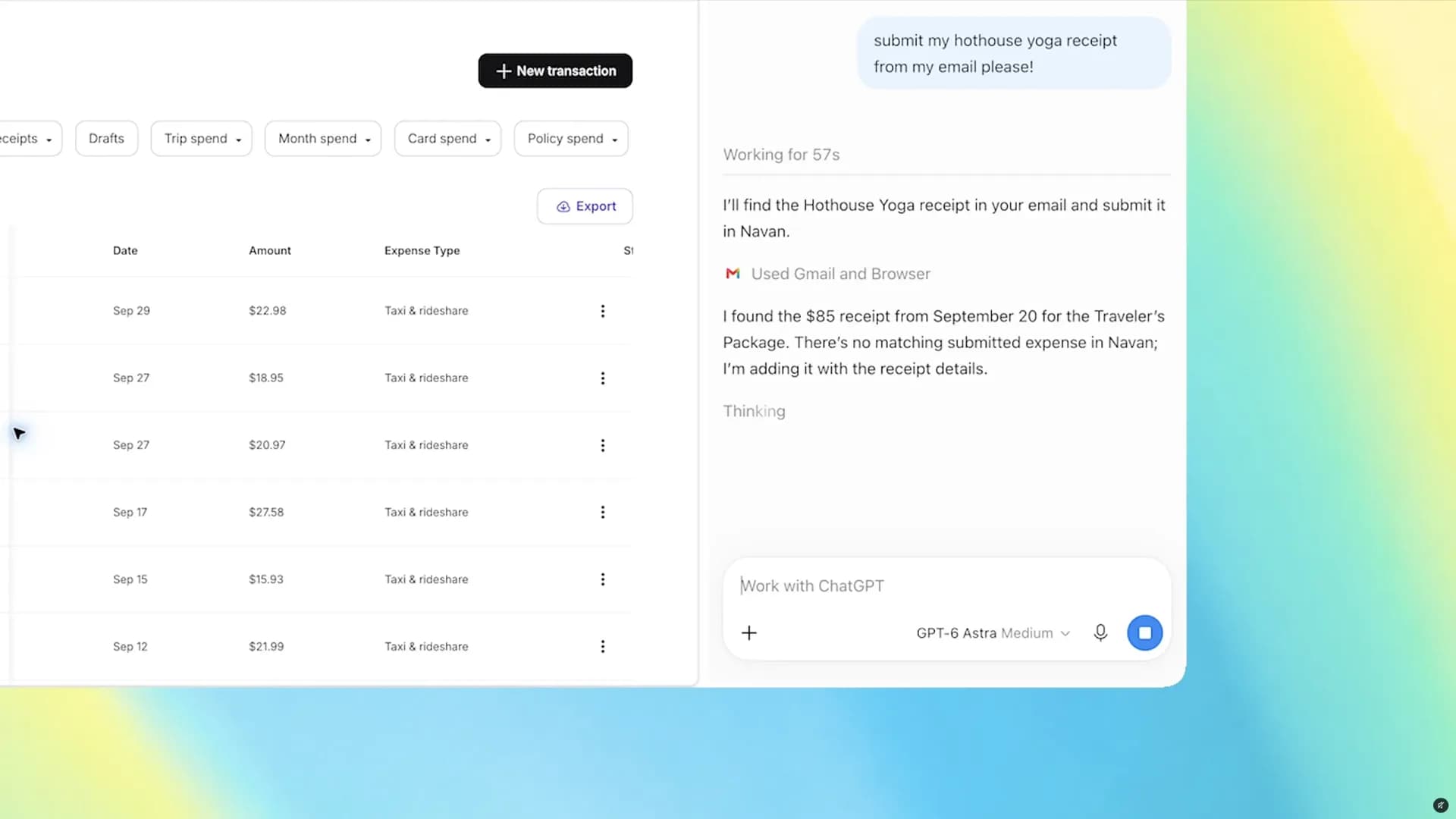
ChatGPT Can Now Read Your Open Google Chrome Tabs
OpenAI has upgraded its ChatGPT Chrome extension so the chatbot can view open browser tabs to compare information, or in Work mode, control them to fill forms, send messages and organize tabs into groups.
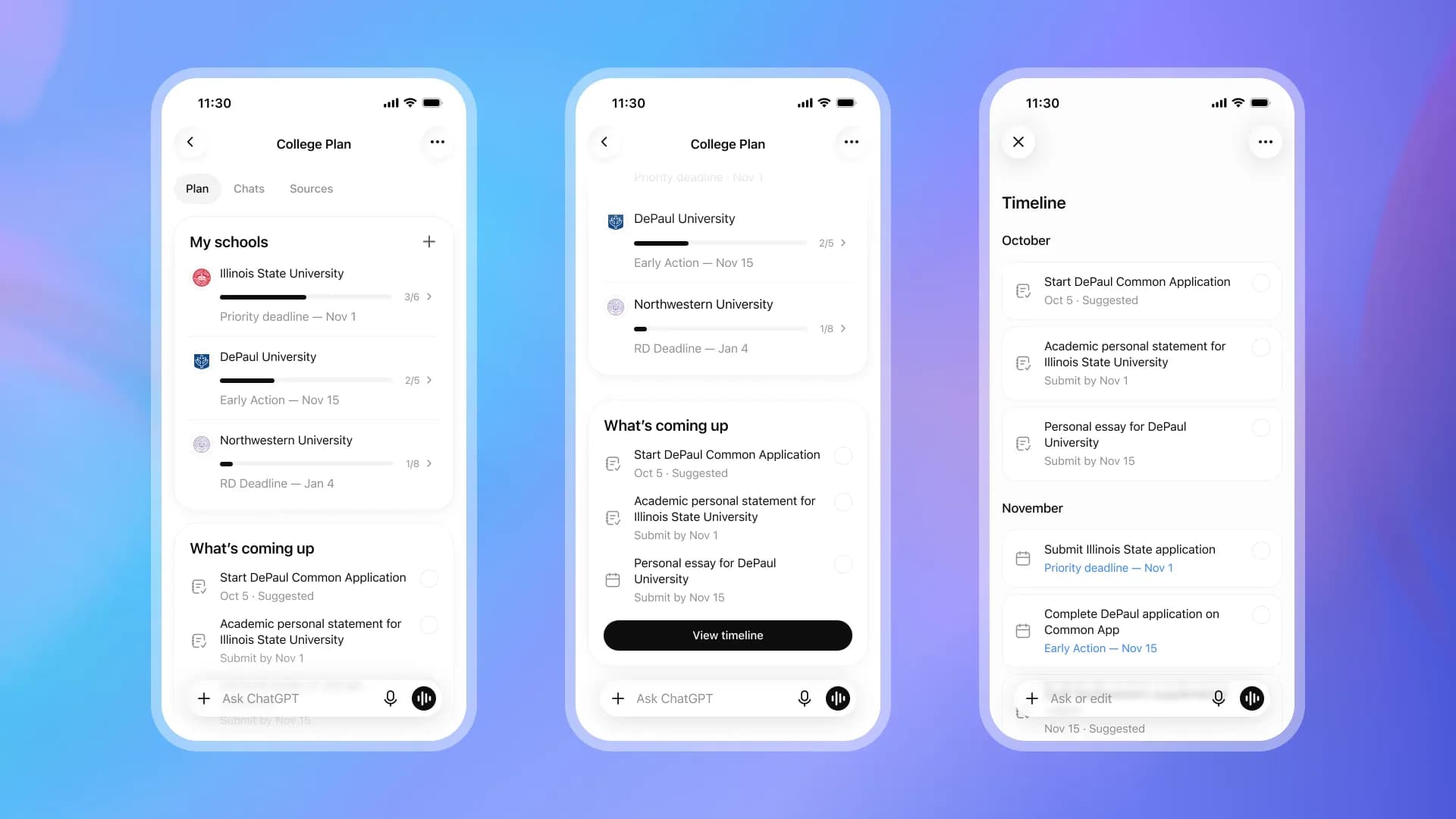
ChatGPT app adds College Planner and flashcards for teens
ChatGPT app gets College Planner, flashcards and multi-photo PDF capture — all aimed at US teens in grades 10–12.

ChatGPT for Teens Is an 'Unacceptable Risk,' Says Common Sense Media
Common Sense Media calls ChatGPT for Teens an 'unacceptable risk' — citing broken parental alerts, weak crisis response, and unchecked homework assistance. OpenAI disputes the methodology but confirms parental controls can take hours to activate.
Be the first to comment
Join the argument. No password, just your email or a passkey.