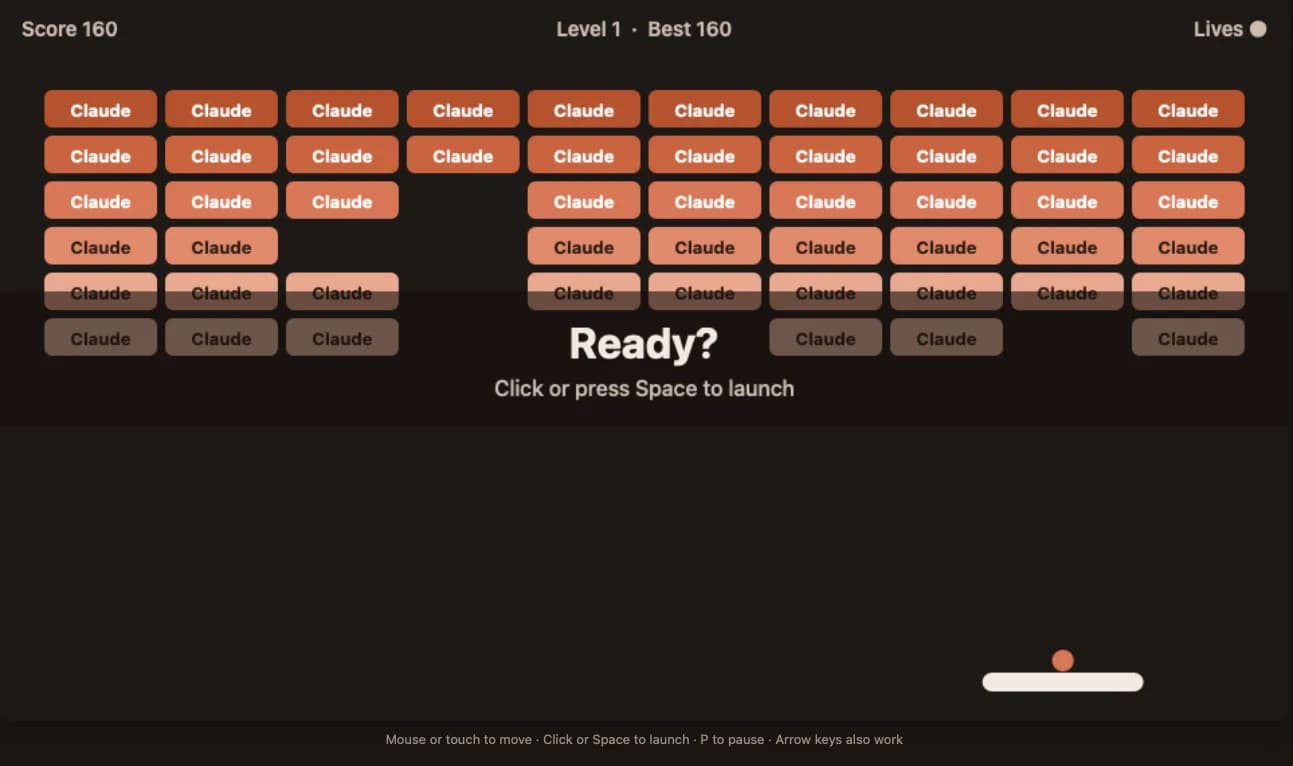
Anthropic has quietly updated Claude Opus 5.5 to block direct cloning of existing video games — a move confirmed by Addy Osmani, Anthropic’s engineering leader, in a post on X. The change adds just two sentences to Claude Code’s system prompt, explicitly steering the model away from generating copies of copyrighted games. It’s not a full shutdown of game creation: users can still build original titles, genre-inspired games (like a Breakout-style arcade game with ‘Claude’ branded bricks), or projects built from their own assets.
But ask Claude to rebuild Flappy Bird, Candy Crush, or Among Us, and it now refuses. The update follows growing legal unease around AI-assisted IP replication, especially as ‘vibe coding’ lets non-developers spin up playable games in minutes using plain English prompts. Anthropic isn’t legally required to do this. As Eric Blatt, a former USPTO examiner and IP lawyer at Scale, put it: “There are no laws mandating AI companies outlaw game clones.” But he called Anthropic’s move “prudent”, because if Claude executes a verbatim copy on Anthropic’s servers, the company could face direct liability.
Chat logs would be evidence. The cloned output, a smoking gun. That liability risk is real but untested. Copyright law doesn’t protect gameplay mechanics, rules, or genres, only original expression: art, sound, narrative, UI layout, branding.

Be the first to comment
Join the argument. No password, just your email or a passkey.