Claude Code builds a playable 3D browser racer in 35 minutes. ChatGPT Codex and Google Antigravity fail the same test — one delivered a broken sky-hanging track, the other inverted controls and unexplained lap times. All three were given identical prompts: build a controller-friendly, no-install 3D time-trial racing game with three tracks, medal targets, and a ghost of your best lap.
No follow-ups. No edits. Just one shot, using free-tier models: Sonnet 5.5 (Claude Code), GPT-5.6 Terra (Codex), and Gemini 3.8 Flash (Antigravity). The result wasn’t about who checked the most boxes.
It was about who built something a human would actually replay. Only Claude Code did. Its output included a hand-coded 3D renderer, synthesized engine sounds, and a self-testing loop that faked a DualSense to verify controls before handing the folder over. It even redrew all three tracks three times, first for self-intersection, then for corner tightness, then for corner gentleness.
Codex shipped a single HTML file with a dashboard-shaped car floating above grass. Antigravity shipped a full folder with sector splits and six paint colors, but also inverted steering and a ghost lap set to 55.9 seconds on a track the tester had never driven. The Verge hasn’t reviewed it.
GSMArena hasn’t benchmarked it. No outlet has tested its battery life or screen brightness, because there’s no hardware here. This is pure agentic coding: AI writing, testing, and refining software from scratch, in real time, with no human in the loop beyond the initial prompt. And right now, only one of the three major coding AIs can do it without breaking the illusion of play.
Claude Code’s version ran instantly in Chrome. It responded to L1/R1 turbo, rumbled on curbs, and let you cycle cameras with Square. You didn’t need to install anything. You didn’t need to configure anything.
You just opened index.html and drove. That’s not a demo. It’s a working game, built, validated, and polished by an AI that treated ‘fun’ as a spec. The others treated ‘functional’ as enough.
They weren’t. XDA Developers published the comparison at 10:30 p.m. ET on Friday, November 15, 2026. No launch date, price, or SDK release has been announced for any of the three tools. Claude Code remains free to use via Anthropic’s web interface. Codex is available through OpenAI’s platform.
Antigravity runs inside Google’s AI Studio. None require a subscription to run this test, and none promise this level of autonomy for every prompt. But for one 3D racer, built in 35 minutes and 46 seconds, Claude Code didn’t just generate code. It generated intent.
ADFiled by The AI Desk
Models, assistants and the companies and chips behind them, reported from what was released and what was claimed, with the difference kept clear.
More from this desk →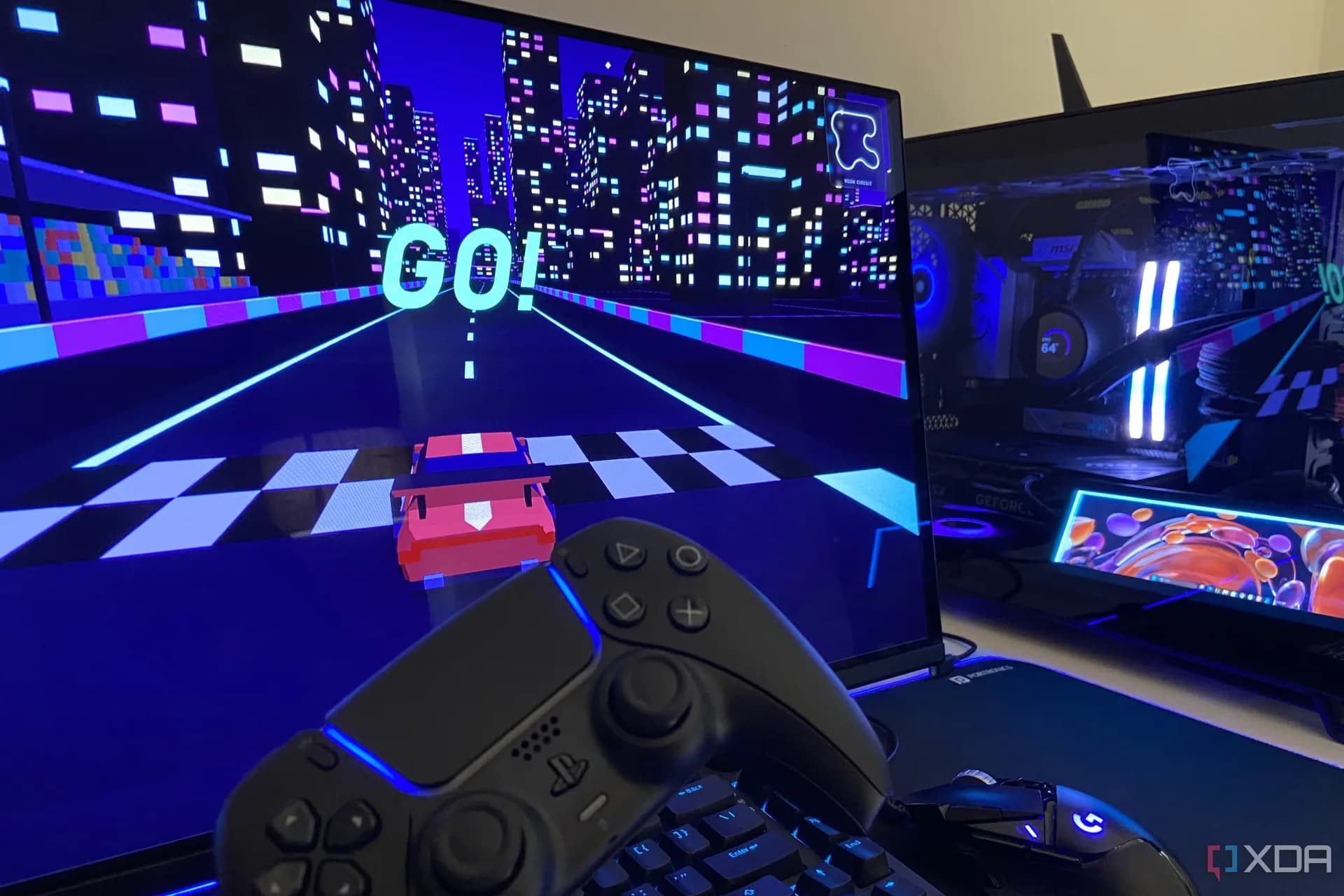


Be the first to comment
Join the argument. No password, just your email or a passkey.