A developer who spent roughly a decade in Visual Studio Code says that editor is no longer where most of the actual coding happens. Writing for XDA Developers on Saturday, the author described a month spent running VS Code with GitHub Copilot alongside Claude Code, Anthropic's AI coding tool, before concluding that Claude Code had taken over most feature development and bug fixing.
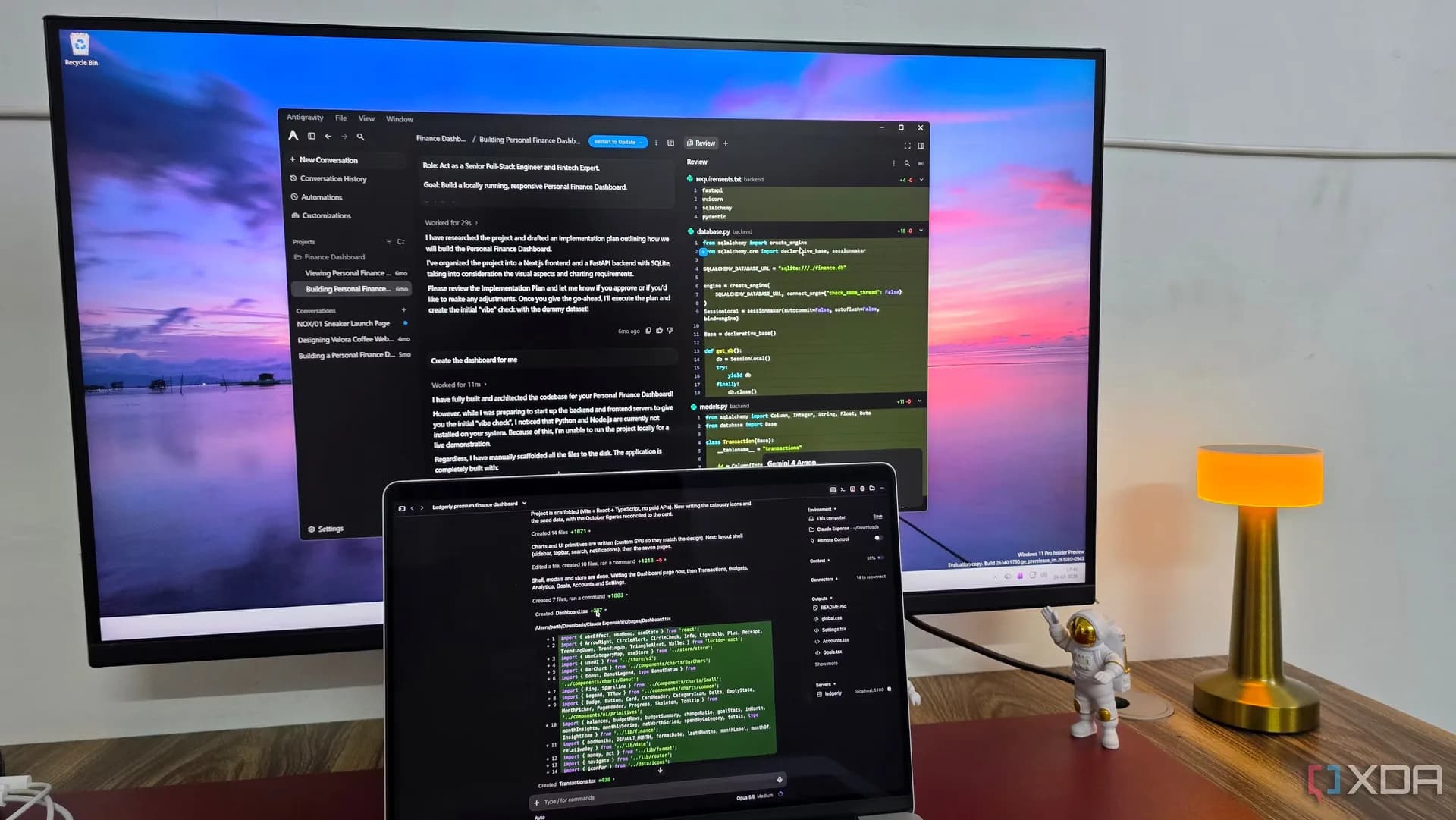
The distinction, as laid out in the piece, comes down to how much of the work gets handed off. Copilot's suggestions inside VS Code still required the developer to write and assemble the code themselves, with AI filling in lines as they typed. Claude Code works differently: it is agentic, meaning a developer describes a feature or a bug and the tool goes off and writes the changes itself, rather than offering suggestions line by line.
That shift changed what the job looked like day to day. The author's role moved from writing implementation to describing what needed building, then reviewing what came back. Reviewing code is still part of the process. Writing all of it from scratch is not, according to the account.
One self-hosted app as the test case
The clearest example in the piece involves Karakeep, a self-hosted app the developer has been adding features to for about a year. Progress with VS Code alone was described as slow, with single features taking a long stretch of time to ship. Last month, using Claude Code, the same developer says they added five new features to the app.
The comparison isn't framed as VS Code versus Claude Code specifically. The author notes that any editor, Neovim, Zed or the one built into Cursor, could stand in for VS Code in this setup, since the real contrast is between an AI-assisted editing workflow and an agentic one that takes over the task itself.
VS Code hasn't disappeared
Claude Code's usage limits are the main reason the author hasn't abandoned VS Code entirely. Anthropic caps how much Claude Code can be used before a developer has to wait, and when that limit hits, the piece says the developer switches back to VS Code to handle smaller tasks manually.
The editor also still gets opened for review, independent of any usage cap. After years of familiarity with VS Code's interface, the author says it remains the preferred place to read through a codebase or check changes line by line, even when Claude Code wrote most of them.
This account reflects one developer's workflow, not an independent benchmark of either tool, and the piece includes no measured figures for speed, accuracy or cost between the two setups. Anthropic has not published its own comparison of Claude Code against editor-based AI assistants like Copilot, and how the tool performs will likely vary with the size and complexity of a given codebase.
ADFiled by The AI Desk
Models, assistants and the companies and chips behind them, reported from what was released and what was claimed, with the difference kept clear.
More from this desk →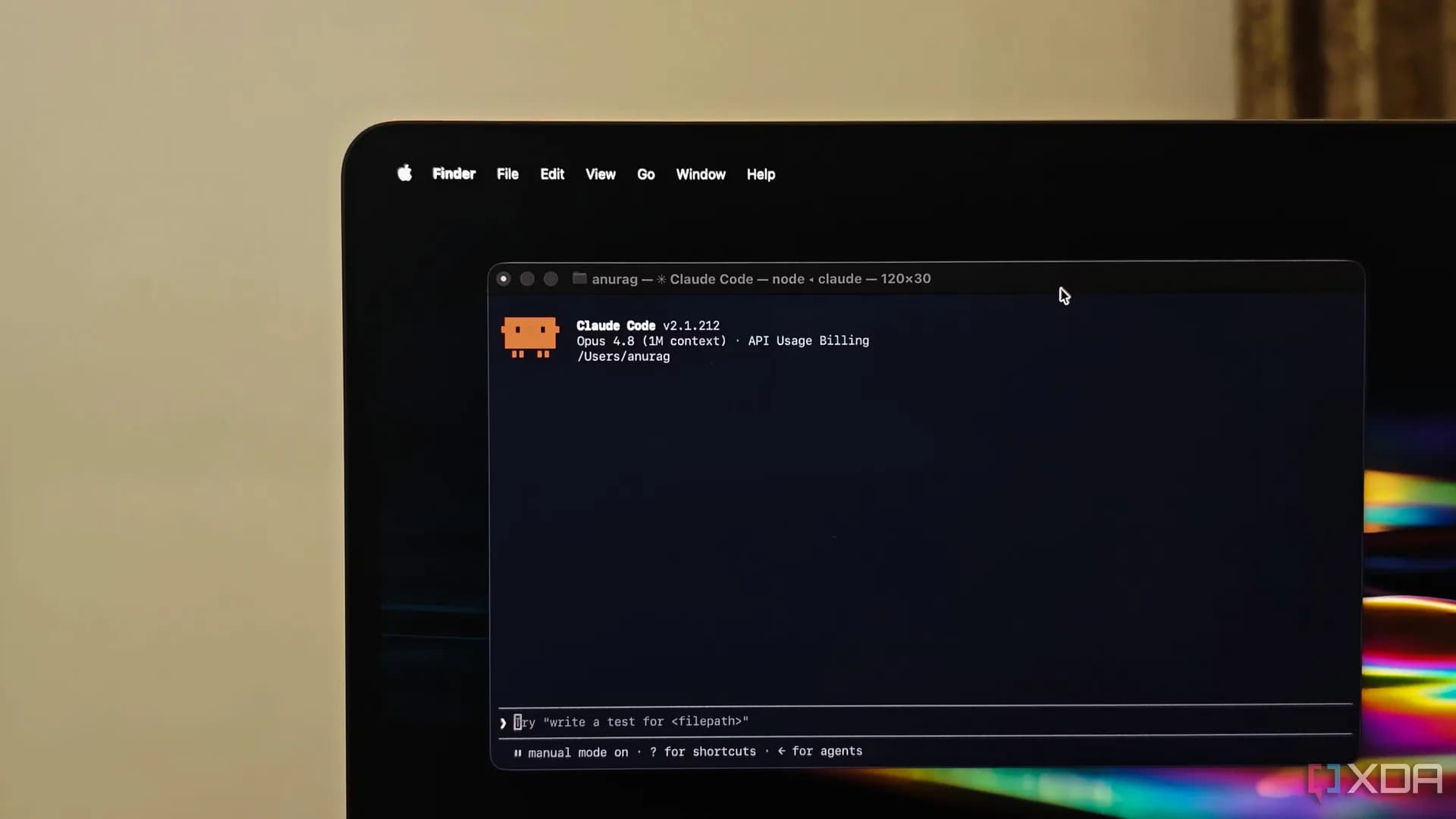


Be the first to comment
Join the argument. No password, just your email or a passkey.