Skip to content
Trending
Tech Business2 min read

FCC Clears Amazon's $11.5bn Globalstar Purchase, Handing It Spectrum For Direct-to-Phone Satellites

The deal gives Amazon Leo the airwaves behind Apple's Emergency SOS — and a launchpad to compete with Starlink.

By Market Close

The Tech Business Desk · (3 hours ago)

Reported fromoutlet, credited1
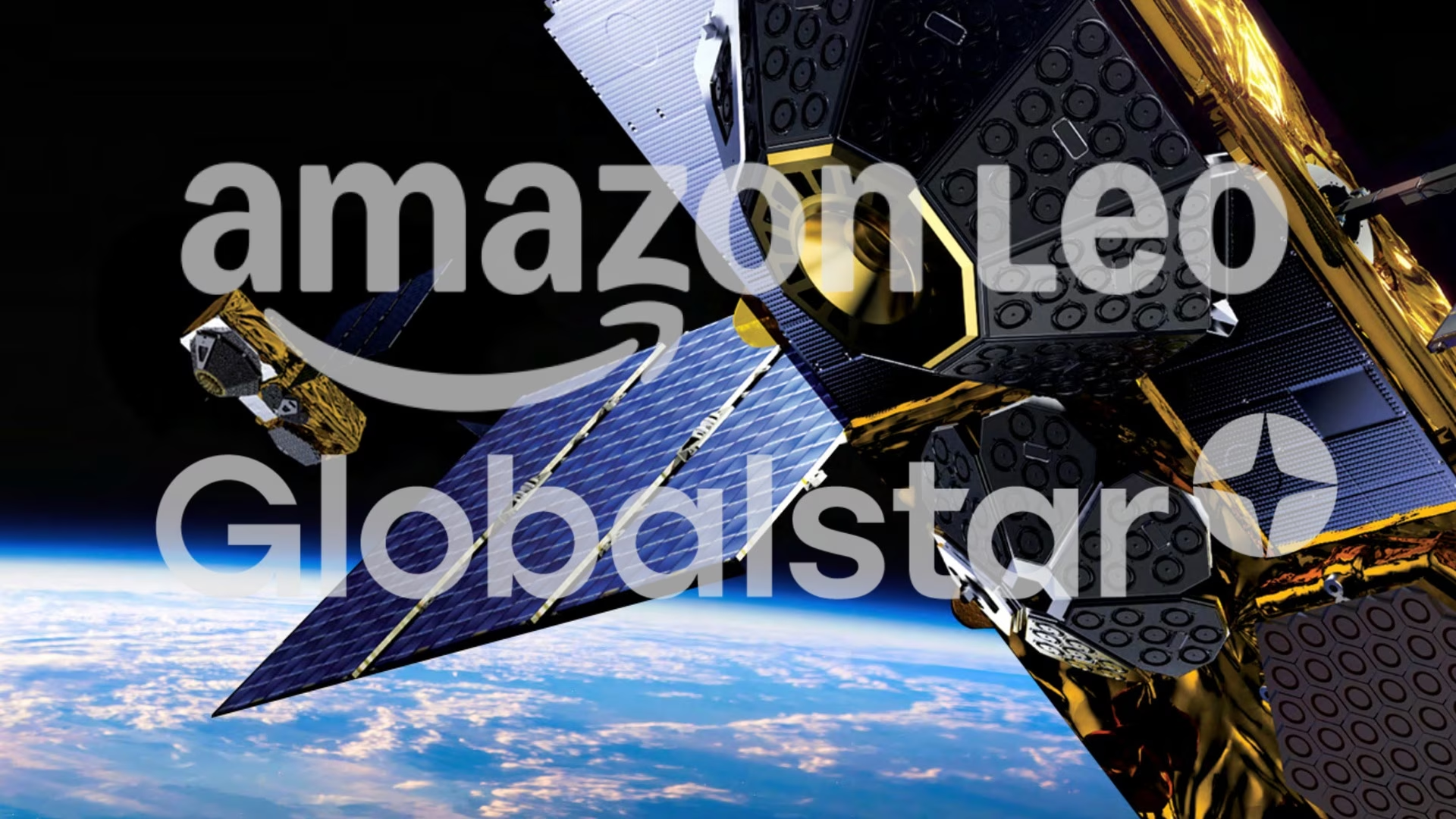
Amazon Leo satellite constellation rendering with Globalstar spectrum overlay
Amazon Leo satellite constellation rendering with Globalstar spectrum overlayPhoto via The Next Web

The US Federal Communications Commission signed off on Amazon Leo's $11.5 billion acquisition of Globalstar on Tuesday, transferring roughly 25 megahertz of mobile-satellite spectrum and two dozen satellites to the e-commerce giant's low-Earth-orbit broadband arm. The approval ends a six-month review and hands Amazon the spectrum core it needs to beam connectivity straight to phones — no cell tower required.

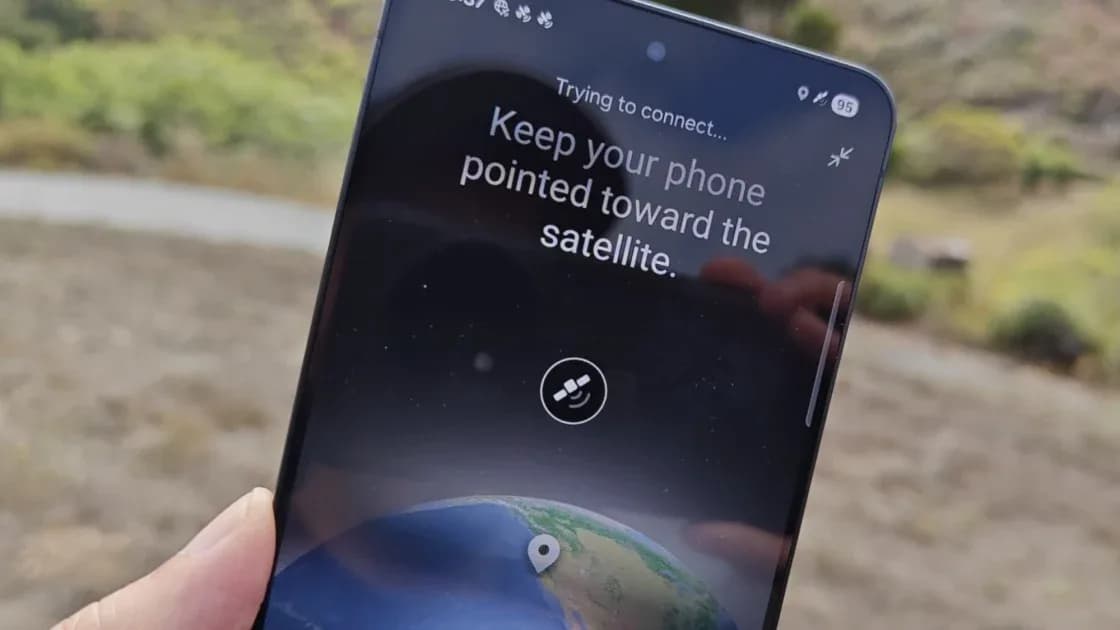
FCC Chair Brendan Carr said the deal would improve coverage in unserved and underserved areas and strengthen emergency communications. The regulator found no material harm to the public interest. Globalstar's spectrum currently powers Emergency SOS and Find My via satellite on iPhone and Apple Watch. Apple invested $1.5 billion in Globalstar in 2024 for a 20 percent stake and accounted for about 63 percent of the satellite operator's revenue last year.

Amazon has signed an agreement with Apple to keep those services running, and the FCC said Amazon plans to buy out Apple's stake as part of the closing. The spectrum is the prize. Direct-to-device service lets ordinary phones connect to satellites without extra hardware. Amazon intends to use Globalstar's holdings to add capacity and reach places ground networks don't cover.
Last week the FCC also authorized Globalstar's planned C-3 System, a constellation of 48 satellites, which Amazon may build and launch once the deal closes. In July Amazon separately asked the FCC to approve up to 5,105 direct-to-device satellites of its own. Amazon Leo has launched nearly 400 satellites since April 2025 and says it has built its thousandth spacecraft.

The company has committed more than $10 billion to the project and targets commercial service by the end of 2026. SpaceX's Starlink already operates more than 11,000 satellites and holds FCC approval for a 15,000-satellite direct-to-device network. AST SpaceMobile cleared a 248-satellite system earlier. On Thursday the FCC votes on a proposed auction of additional spectrum for direct-to-device services, another lever in the race to blanket the planet from orbit.

Amazon said the approval brings it a step closer to new connectivity capabilities for customers. The deal is expected to close shortly.

Reported from

How this story was made

Written by the Hitechreports desk from the reporting credited above, with facts attributed to their original publishers. We do not test devices ourselves; anything about performance, battery life or cameras comes from the outlets that did. Prices are as reported at the time of writing. Editorial policy · Report an error

What did you make of it?

Filed by The Tech Business Desk

Big tech, startups, earnings, regulation and policy — the decisions that shape the products.

More from this desk →

Be the first to comment

Join the argument. No password, just your email or a passkey.