The Galaxy S26 now starts at $999 in the US. The iPhone 17 is $899. Neither launched at those prices. Both are older models — the Galaxy S26 debuted in January 2025, the iPhone 17 last fall, and neither received hardware updates before the increases.
Their price bumps aren’t corrections or promotions. They’re upward revisions, confirmed by Tom’s Guide reporting published Friday morning. And they’re happening while the market’s top-tier phones cost more than ever: $1,299 for the Galaxy S26 Ultra, $1,099 for the iPhone 18 Pro. The base flagships are no longer the budget escape hatch.
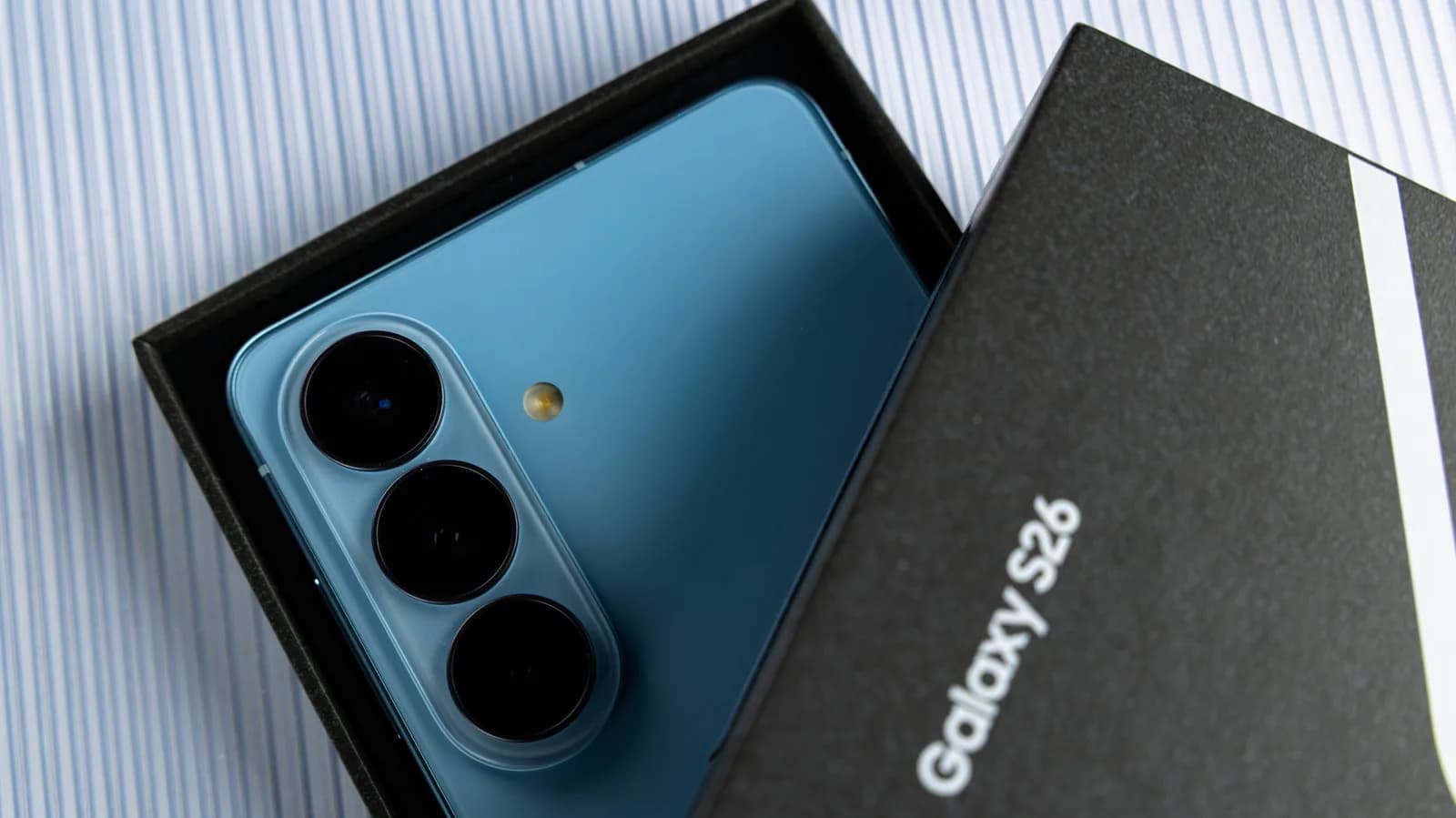
They’re becoming premium tax brackets with fewer compromises. The Galaxy S26 jumped from its $899 launch price to $999, a $100 hike that makes it $200 more expensive than the Galaxy S25 was at launch. Samsung did double the base storage to 256GB, but kept the same triple-camera array: 50MP main (f/1.8), 12MP ultrawide (f/2.2), and 10MP telephoto with 3x optical zoom.
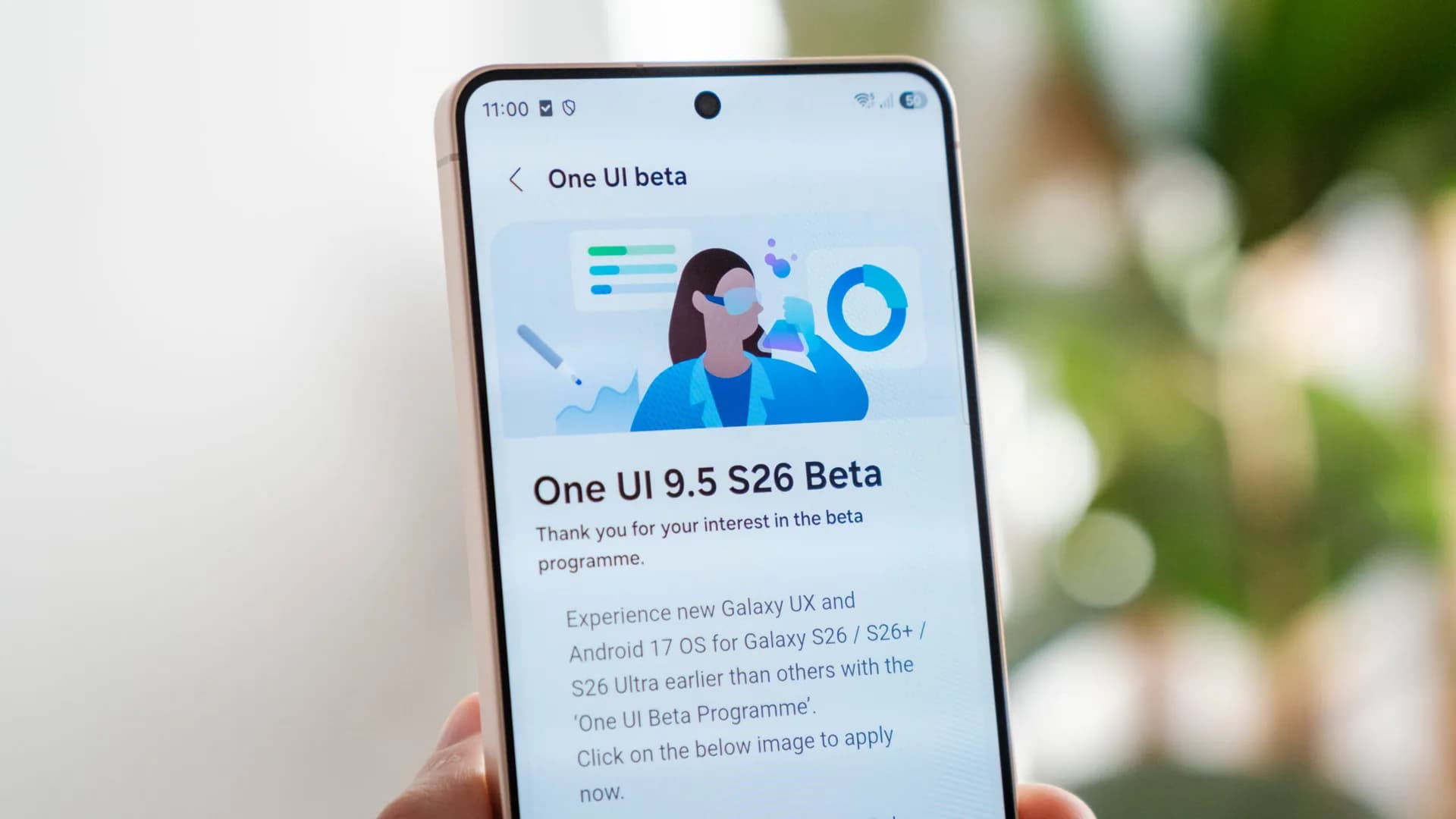
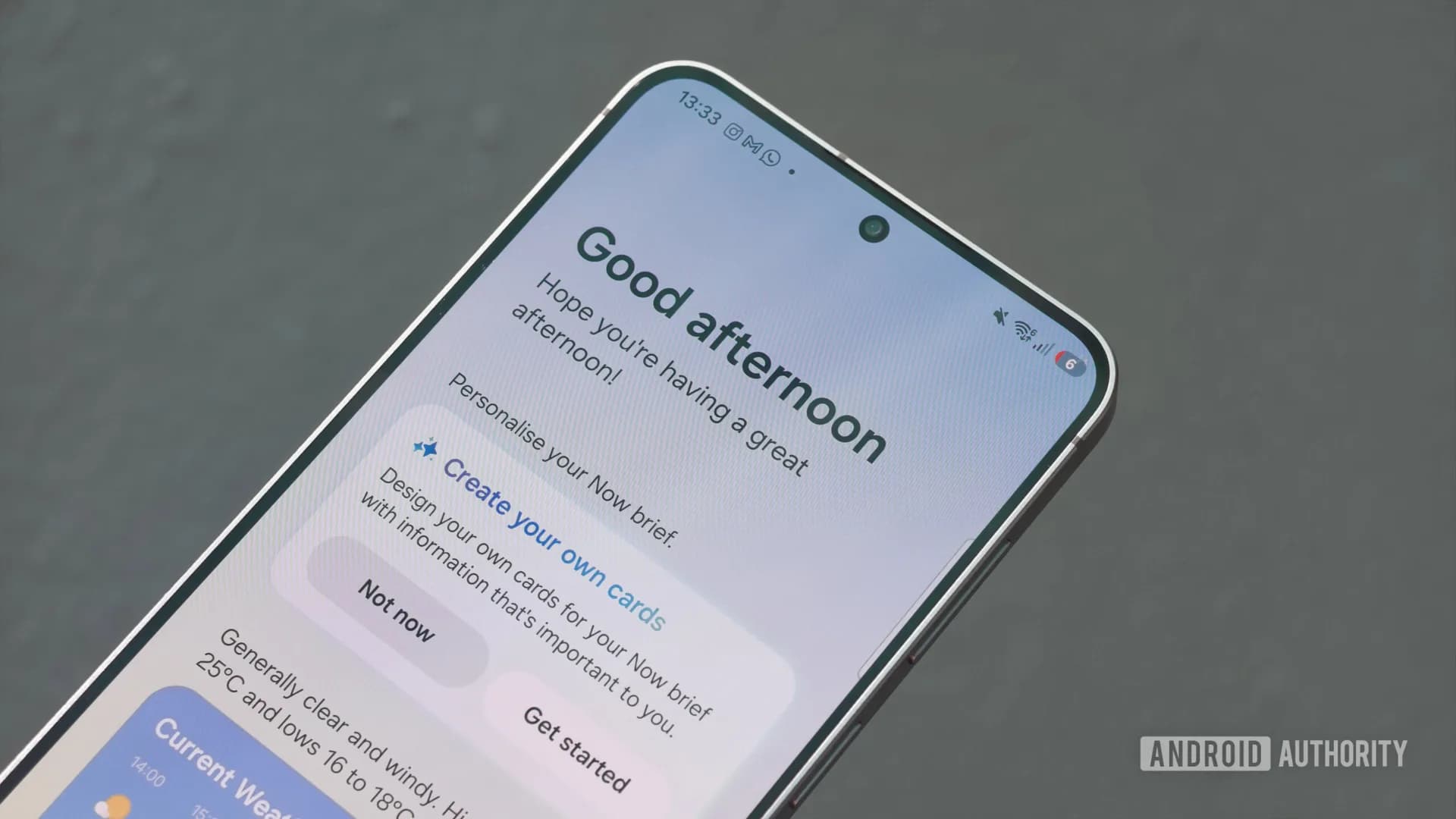
It still runs the Snapdragon 8 Elite Gen 5 for Galaxy chip and features a 6.3-inch 120Hz AMOLED display rated at 1,950 nits peak brightness. Its software edge comes from One UI 8.5’s Agentic AI tools, Photo Assist, Now Nudge, and Gemini-powered voice ordering via DoorDash, not new silicon or sensors.
The iPhone 17 followed a similar arc: up from $799 at launch to $899 now. That’s unusual. Apple typically cuts prices on year-old models, especially when newer ones like the iPhone 18 Pro Max and iPhone Duo are already on shelves. Instead, the iPhone 17 got a storage bump (256GB base) and kept its A19 chip, 48MP main + 48MP ultrawide camera system, and 6.3-inch Super Retina XDR display with 120Hz ProMotion.
No telephoto lens. No optical zoom. All zoom is digital, cropped from the main sensor. Its camera advantage remains low-light sharpness and consistency, not reach.
Neither phone’s price change reflects inflation, supply chain pressure, or new features. Both cite increased base storage as justification. But $100 for 128GB more? That math doesn’t hold when the Galaxy S25 launched with 128GB standard and sold for $799.
And when the iPhone 16 launched with 128GB and cost $799, before Apple doubled it on the iPhone 17 and raised the price. What’s left is a narrowing path for buyers who want flagship performance without Pro pricing. The Galaxy S26 and iPhone 17 still deliver, one with DeX and multitasking muscle, the other with iOS 27’s Apple Intelligence and best-in-class stills.
But at $999 and $899, they’re priced within shouting distance of the Pixel 11 ($899, per Tom’s Guide), which offers its own AI stack and 48MP main + 13MP ultrawide + 10.8MP 5x telephoto combo. There’s no word yet on whether these hikes will hit India. The Galaxy S25 launched at ₹74,999.
The S26 started at ₹79,999. The iPhone 16 launched at ₹76,900. The iPhone 17 began at ₹79,900. If past patterns hold, Indian pricing may follow, but only if Samsung and Apple confirm it.
For now, the message is clear: entry-level flagships are no longer entry-level in price. They’re the new floor. Pre-orders for the Galaxy S26 and iPhone 17 remain open at carrier and retail channels. No end-of-life date has been announced for either model.
HTFiled by The Home Tech Desk
TVs, home appliances and the smart home: refrigerators, washing machines, air conditioners, purifiers, robot vacuums, the sets on the wall and the platforms that connect them. Launches, prices in the US and India, and what changed.
More from this desk →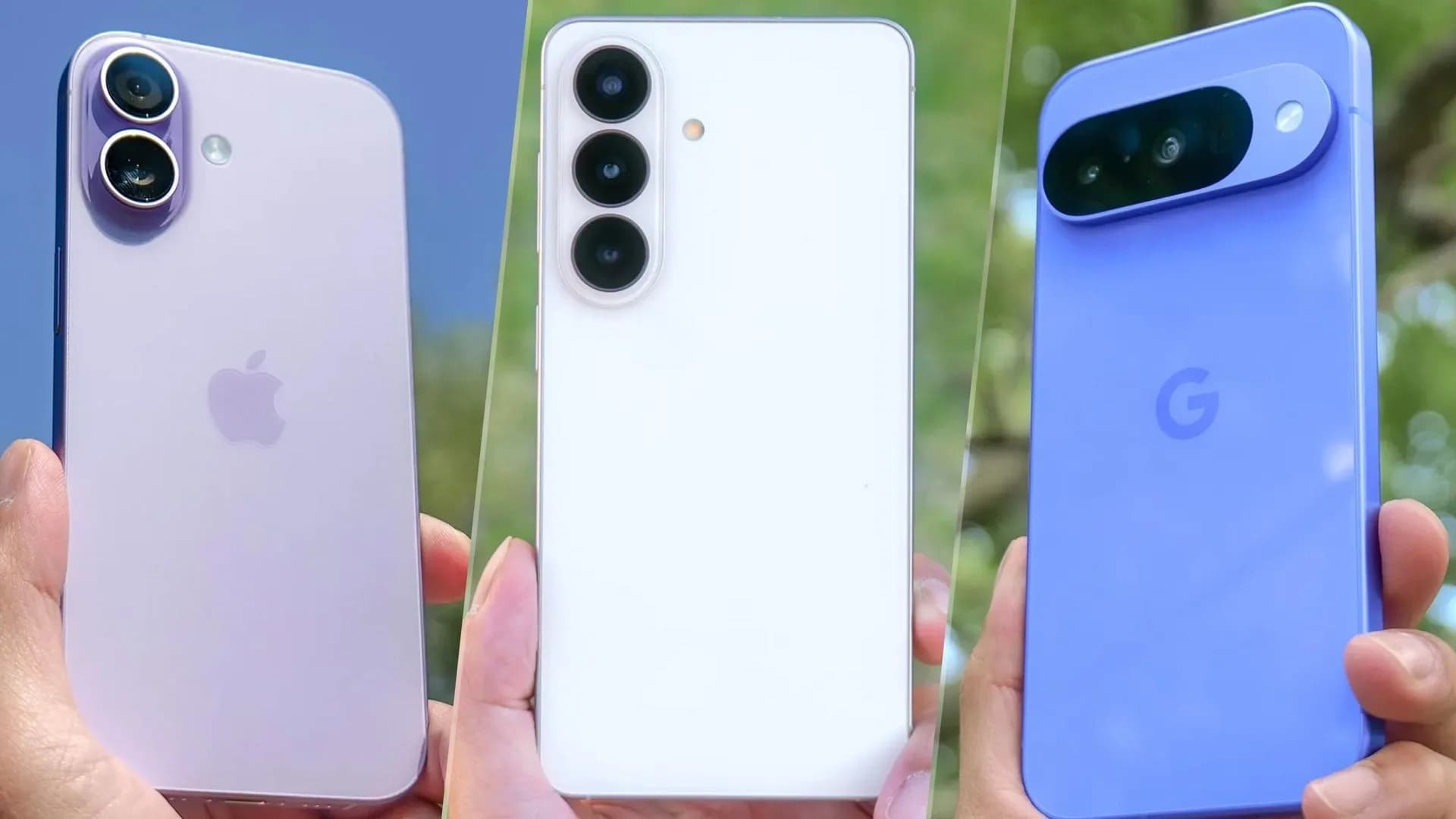
Be the first to comment
Join the argument. No password, just your email or a passkey.