Google has unveiled Gemini 4 Argon — its new frontier AI model, with a 97.5% score on the ARC-AGI-3 benchmark, placing it second only to OpenAI’s GPT-6 Astra (99.9%) among publicly reported models. The result, confirmed by ARC Prize, marks Google’s strongest showing on that benchmark since Gemini 3.1 Pro in February. And the first time a Google model has crossed 95% on ARC-AGI-3 since the benchmark’s July 2026 revision made it harder. But the number comes with caveats: it was achieved using the “Provider Adapter Harness,” a test setup that leverages Google-specific API features like retained reasoning and context compaction. Under the stricter “Standard Harness”, which resets internal state between actions and uses only basic API calls. Argon drops to 49.8% at low reasoning, and failed to complete all 55 games at higher settings. At maximum reasoning, it finished just 19 games. No official score was published for that tier. Epoch AI’s broader Epoch Capabilities Index (ECI) gives Argon 165 points, tying Fable 5.1, trailing Opus 5.5 (167), and edging ahead of GPT-6 Astra (166) by one point. It beats Gemini 3.8 Flash (157), but lags behind rivals in math (8th) and software engineering (6th) sub-scores. Pricing is not public. ARC Prize reports the Provider Adapter Harness run cost $4,800. The Standard Harness run cost $5,800. But those are research evaluation costs, not commercial API pricing. No launch date, availability window, or integration timeline into Gemini apps, Android, or Google Cloud has been announced. What’s clear is this: Argon isn’t shipping yet. It’s a lab milestone, one that exposes how much benchmark results now depend on how you test, not just what you test.
Gemini 4 Argon vs Opus 5: ARC-AGI-3 benchmarks, price, and what the 97.5% really means
Gemini 4 Argon hits 97.5% on ARC-AGI-3 — but only with Google’s own API tricks. In the standard test? It falls to 49.8%. No price. No release date. Just a high-stakes benchmark tug-of-war.
By The Prompt
The AI Desk · (2 hours ago)
Reported from
How this story was made
Written by the Hitechreports desk from the reporting credited above, with facts attributed to their original publishers. We do not test devices ourselves; anything about performance, battery life or cameras comes from the outlets that did. Prices are as reported at the time of writing. Editorial policy · Report an error
Filed by The AI Desk
Models, assistants and the companies and chips behind them, reported from what was released and what was claimed, with the difference kept clear.
More from this desk →Read next
More AI →Google Gemini 4 Argon Arrives With Massive 1M Token Output Limit
Google has opened its Gemini 4 Argon model to developers, bringing a rare one-million-token output cap alongside introductory pricing that undercuts rival frontier systems.
Gemini 4 Argon free PDF to interactive web app tool
Gemini 4 Argon now converts PDFs into interactive visual web apps — free, in-browser, no signup beyond a Google account. Digit India confirmed it’s live as of 16 October 2026.
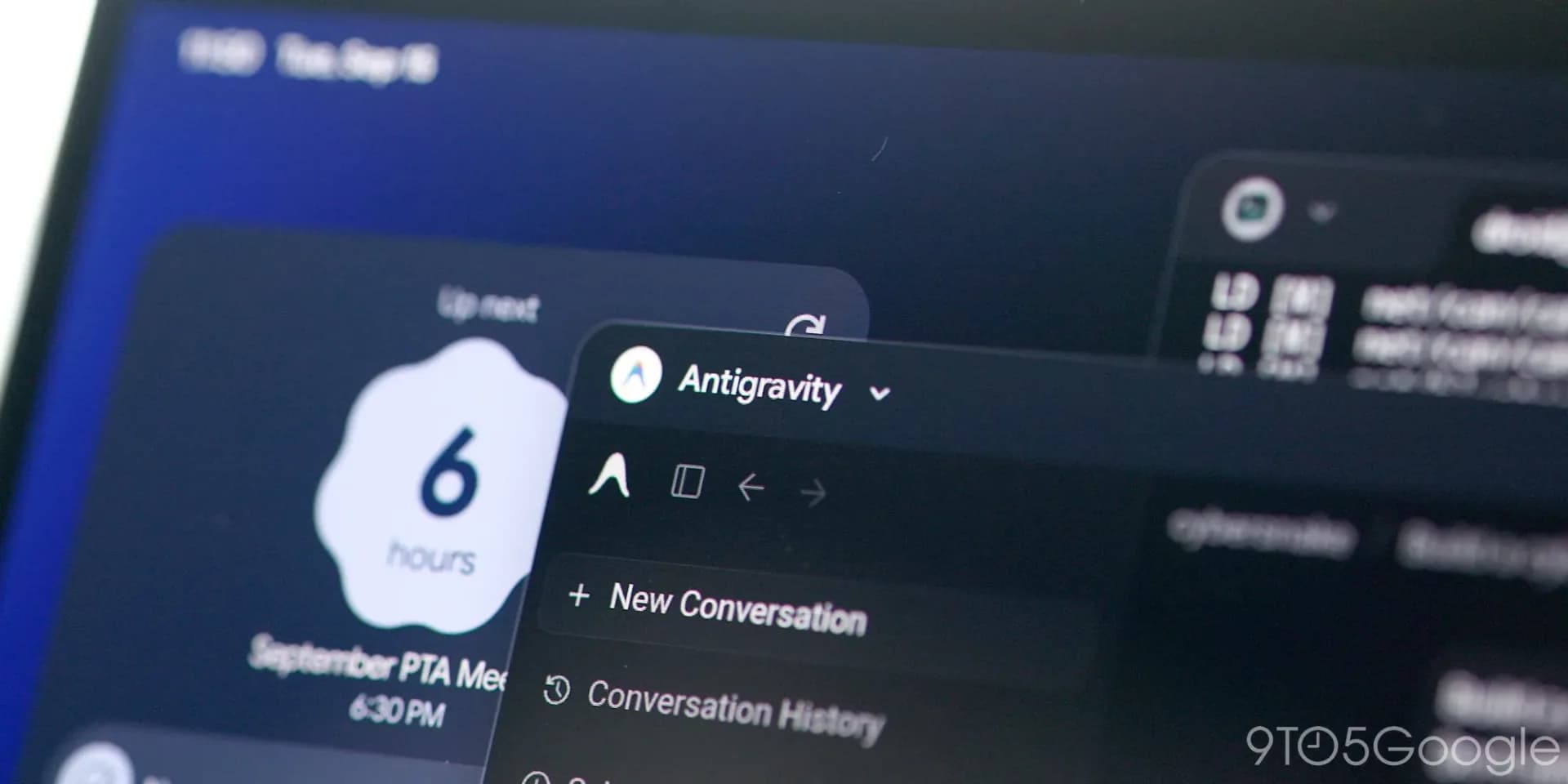
Gemini 4 Argon is now in Antigravity for AI Pro and AI Ultra subscribers
Gemini 4 Argon is now live inside Antigravity — Google’s AI coding platform — for subscribers to Antigravity for AI Pro and AI Ultra plans.
Be the first to comment
Join the argument. No password, just your email or a passkey.