Gemini Spark is officially shipping — not as a beta, not as a waitlist, but as a paid, production-ready personal AI agent from Google. Priced at $19.99 per month in the US and ₹1,799 per month in India, it launched globally on November 22, 2026, according to MarkTechPost’s benchmark roundup published the same day.
No pre-order window. No regional stagger. Just go to google.com/spark and subscribe. The macOS app arrived in June.
Android and Windows clients are listed as “coming soon” in official documentation cited by the report. There is no free tier. No self-hosted version. No local runtime option.
Spark runs exclusively on dedicated Google Cloud VMs, each user gets their own instance, powered by Gemini 3.5 Flash and wrapped in Google’s Antigravity harness. That’s the core trade-off: zero setup, zero maintenance, zero local memory files, and zero control over where or how your data persists beyond Google’s service terms.
Spark doesn’t store editable Markdown memory like Hermes or OpenClaw. It doesn’t write SOUL.md or USER.md. Its memory is your Google account, pulling context directly from Gmail, Calendar, Drive, Docs, Sheets, Slides, YouTube and Maps via Personal Intelligence. You choose which services it can access.
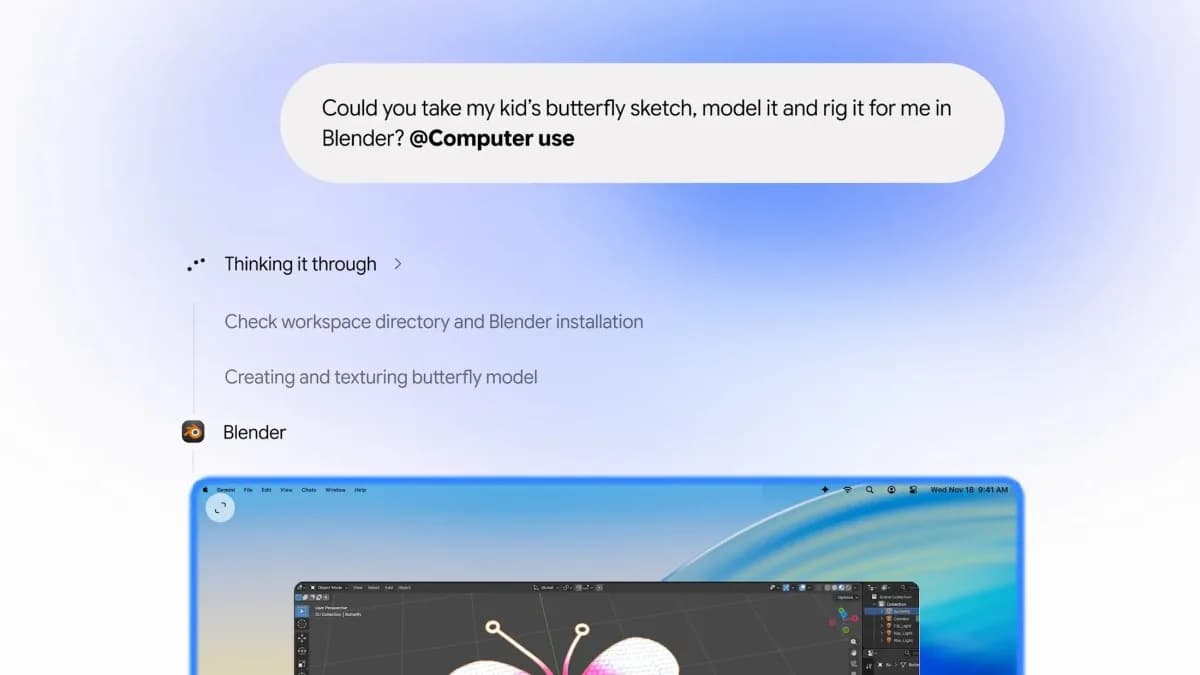
Google says it checks in before high-stakes actions, sending email, making purchases, editing shared documents, but the report cuts off mid-sentence there. No further detail on approval flow, timeout windows or human-in-the-loop defaults appears in the source. Spark supports messaging via text and email. MCP connections extend it to third-party apps, though MarkTechPost does not name specific integrations.
Unlike Hermes (which offers terminal, desktop and web UIs) or OpenClaw (with its Gateway process and Control UI), Spark has no local interface outside of its native macOS app and web dashboard. No CLI. No plugin hot reload. No skill registry.
No community skills to audit, or compromise. That’s both its security posture and its limitation. It’s built for breadth of Google-native action, not developer extensibility. Spark joins Hermes Agent, free, open-source, terminal-first, memory-transparent, and OpenClaw, free MIT-licensed but with a long incident history, including CVE-2026-25253 and the ClawHavoc skill campaign, in a newly crowded 2026 personal AI agent field.
All three are now live. All three run across WhatsApp, Telegram, iMessage and Slack. But only Spark ships with zero local footprint, zero token cost transparency, and zero memory you can open in VS Code. It’s the first major managed agent where the vendor owns every layer, model, memory, runtime, UI and billing.
Subscribers in the US pay $19.99 monthly. In India, it’s ₹1,799. No annual discount is mentioned. No enterprise SKU is cited.
No rollout timeline beyond “live as of November 22” is given. Next up: Android and Windows clients. And the question no vendor has answered yet, what happens when your agent remembers too much?
ADFiled by The AI Desk
Models, assistants and the companies and chips behind them, reported from what was released and what was claimed, with the difference kept clear.
More from this desk →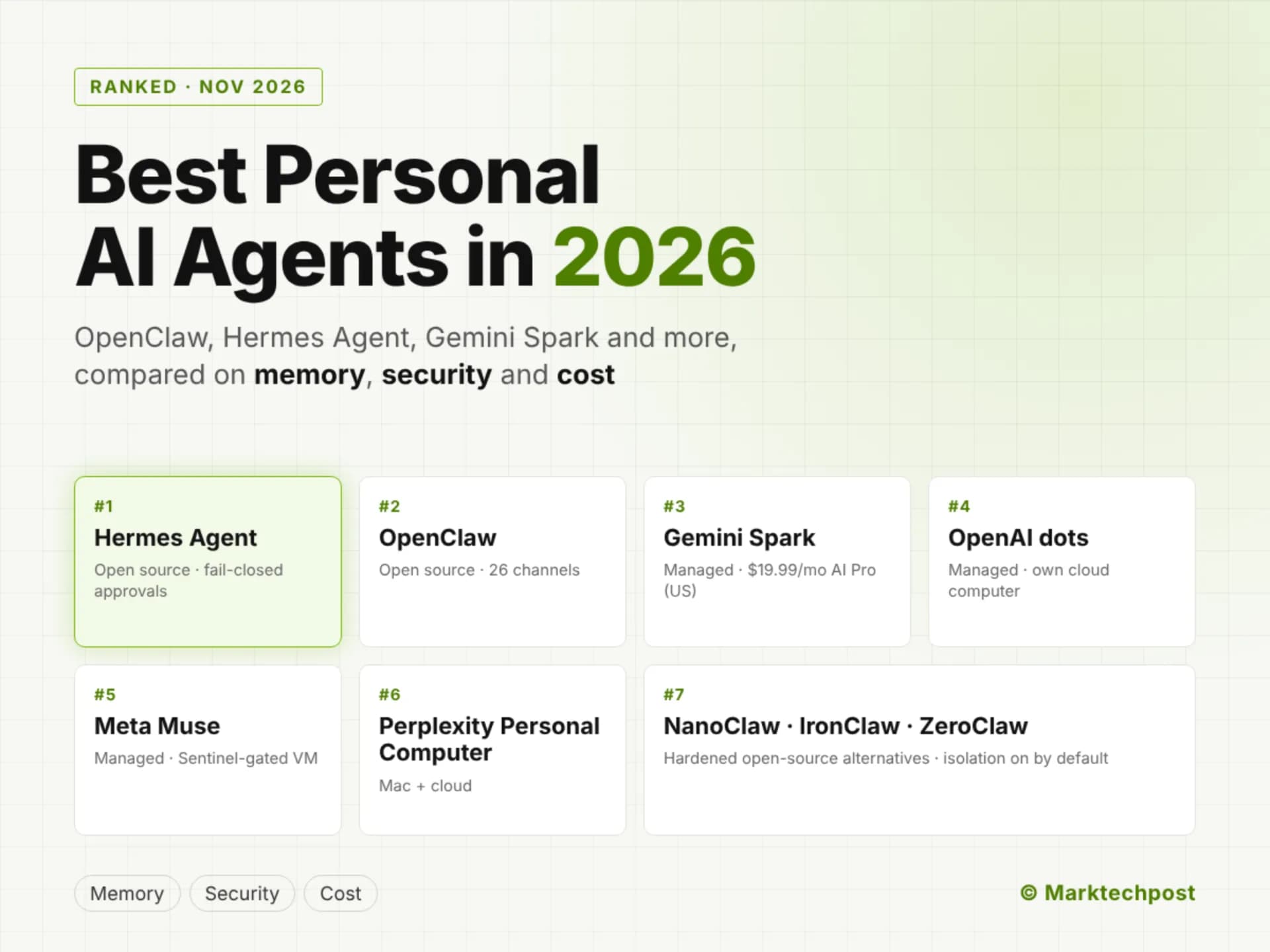
Be the first to comment
Join the argument. No password, just your email or a passkey.