Gemini 3 Pro Image (Nano Banana) and Gemini Omni are now the only consumer AI tools that generate signed, watermarked images and video — and Google’s SynthID detection works across outputs from OpenAI, Nvidia, and Kakao, not just its own models. That’s the key differentiator keeping one long-time Google AI Plus subscriber from switching to Claude or ChatGPT, according to XDA Developers’ hands-on report published Thursday at 3:30 p.m. ET, a detail confirmed nowhere else in the public reporting so far, but central to how the service functions in practice.
It’s not about raw speed or coding fluency. It’s about provenance, and control, baked into every frame and pixel the model touches. And it’s exclusive to Gemini on the paid tier. No other major consumer AI offers both native video generation and automatic, persistent, cross-platform watermarking at creation time.
Not Claude. Not ChatGPT. Not even after Sora’s shutdown. Not even with Claude Motion’s October launch, which, per XDA, still relies on code-based output rather than direct image/video synthesis.
Nano Banana Pro is bundled with Google AI Plus ($19.99/month in the US, Rs 1,699/month in India), and Omni is part of that same subscription. There is no standalone pricing, no free-tier access to either capability, and no announced date for wider availability beyond the current rollout. The SynthID watermark is invisible to the eye but detectable by Gemini itself, and, increasingly, by third-party tools trained on Google’s open specifications.
When the reporter uploaded a cropped, dust-free PC render he’d made in Gemini, the model instantly flagged it as AI-generated, despite removal of the visible attribution badge. That detection now extends to media made with rival models, a quiet expansion of SynthID’s scope that turns Gemini into a de facto verification layer, not just a creator tool.
For professionals handling press assets, educators vetting student submissions, or journalists triaging pre-launch leaks, that dual role, generator and detector, has real workflow weight. It doesn’t make Gemini faster or smarter in benchmarks. But it makes it the only AI in the $20/month tier that answers two questions at once: Who made this? and Can I trust what I’m seeing? Google hasn’t marketed SynthID this way.
XDA’s account is the first to frame it as a retention lever, not a compliance checkbox. And right now, it’s working. The subscription remains active.
ADFiled by The AI Desk
Models, assistants and the companies and chips behind them, reported from what was released and what was claimed, with the difference kept clear.
More from this desk →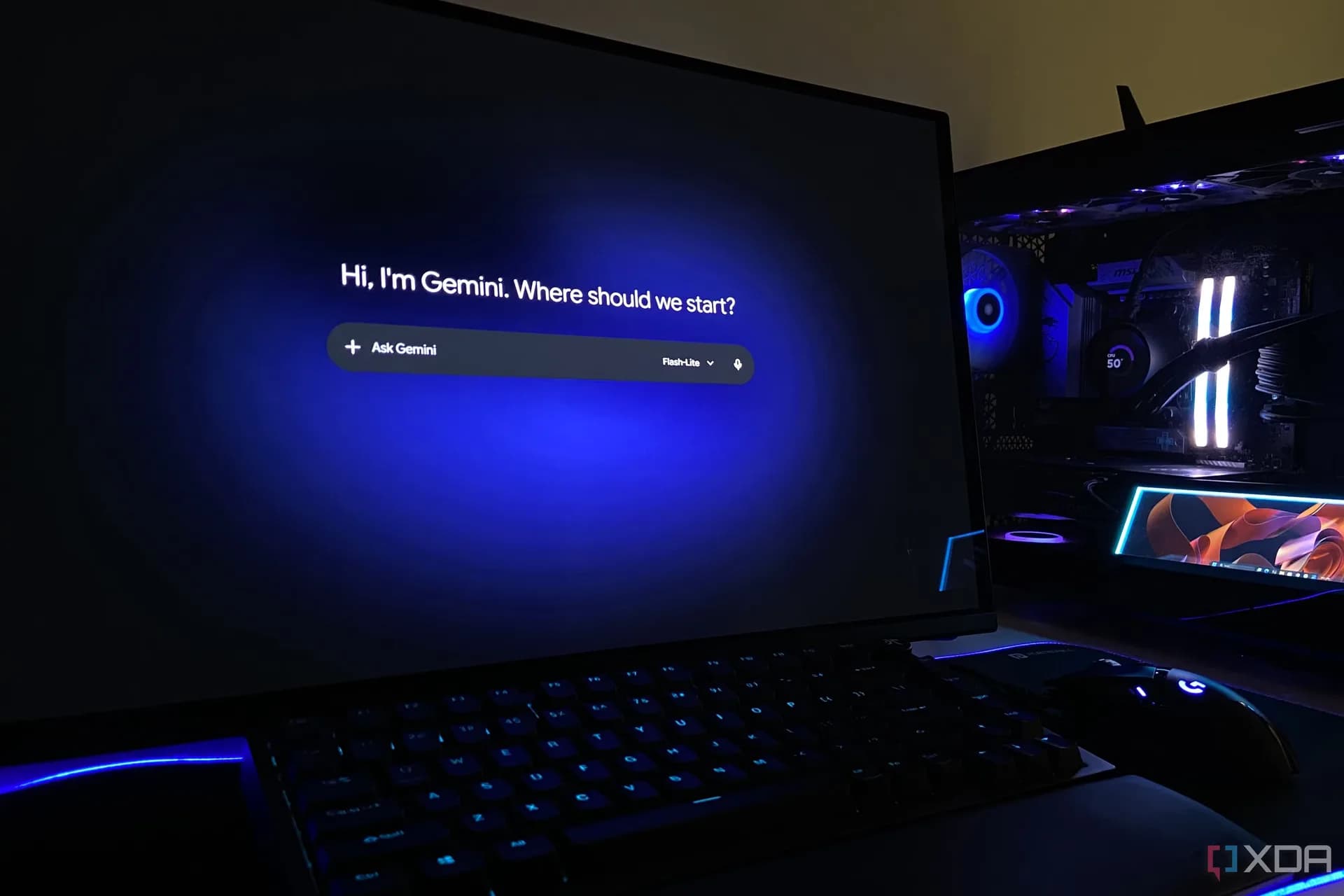
Be the first to comment
Join the argument. No password, just your email or a passkey.