Google Cloud used a session at TechSparks 2026 to argue that Gemini is no longer just a chatbot that answers questions. It's becoming something that takes on entire tasks, from fielding phone calls to writing code to sorting through tens of thousands of files.
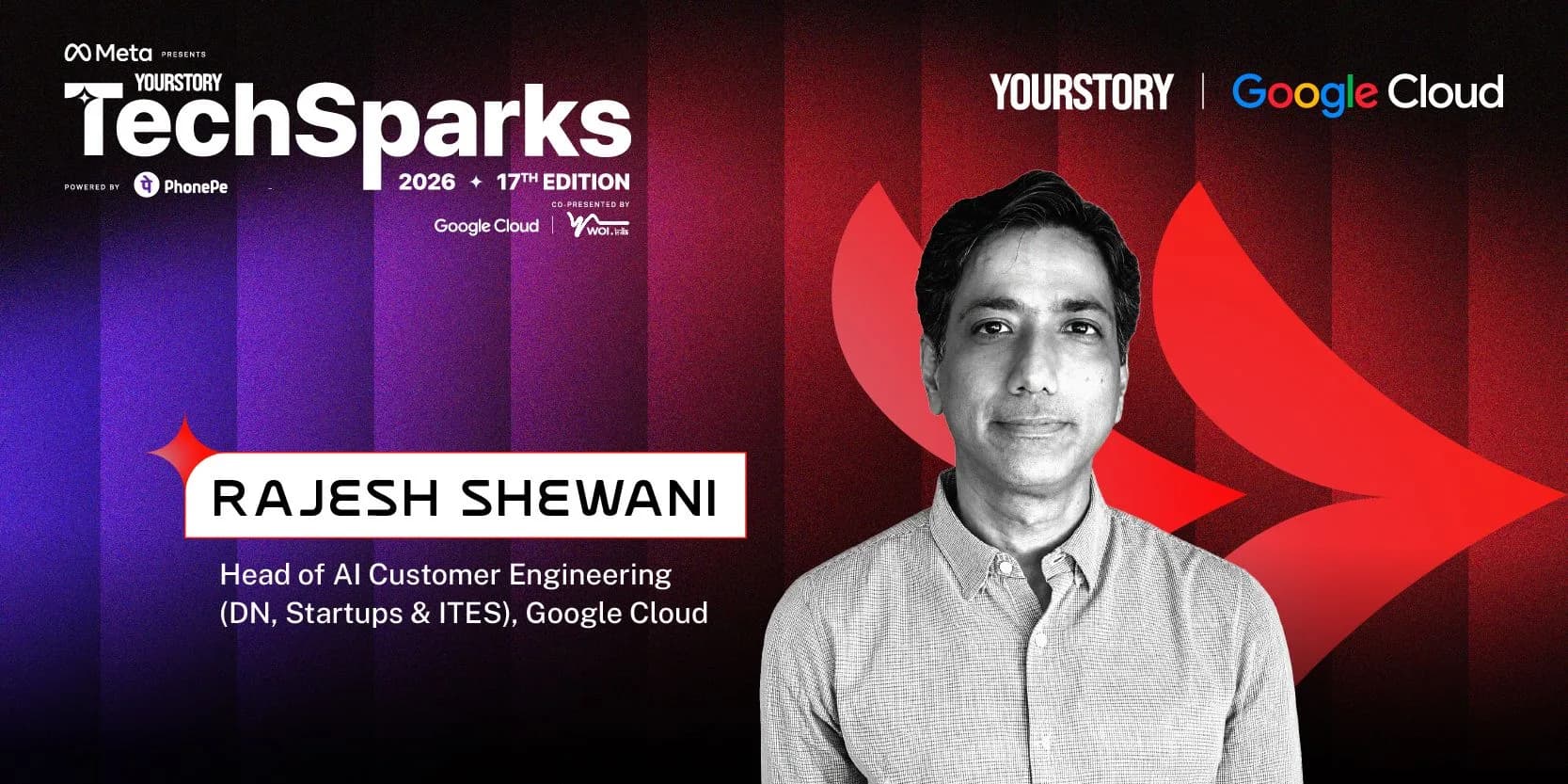
Rajesh Shivani, who heads AI customer engineering for digital natives, startups and ITES at Google Cloud, ran through a series of demos built around what the industry calls agentic AI: systems that plan a task, pull in information and use tools to act on someone's behalf, rather than just replying to a prompt.
"An agent is nothing now but a model plus a harness," Shivani said, describing the layer of infrastructure around a model that manages memory, permissions and how a task actually gets executed. He laid out four things an agent needs to be useful: a goal, clear instructions, relevant knowledge and the tools to act on that knowledge. Company-specific data matters here, since a general-purpose model typically has no idea how a particular business runs.
Voice as the new interface
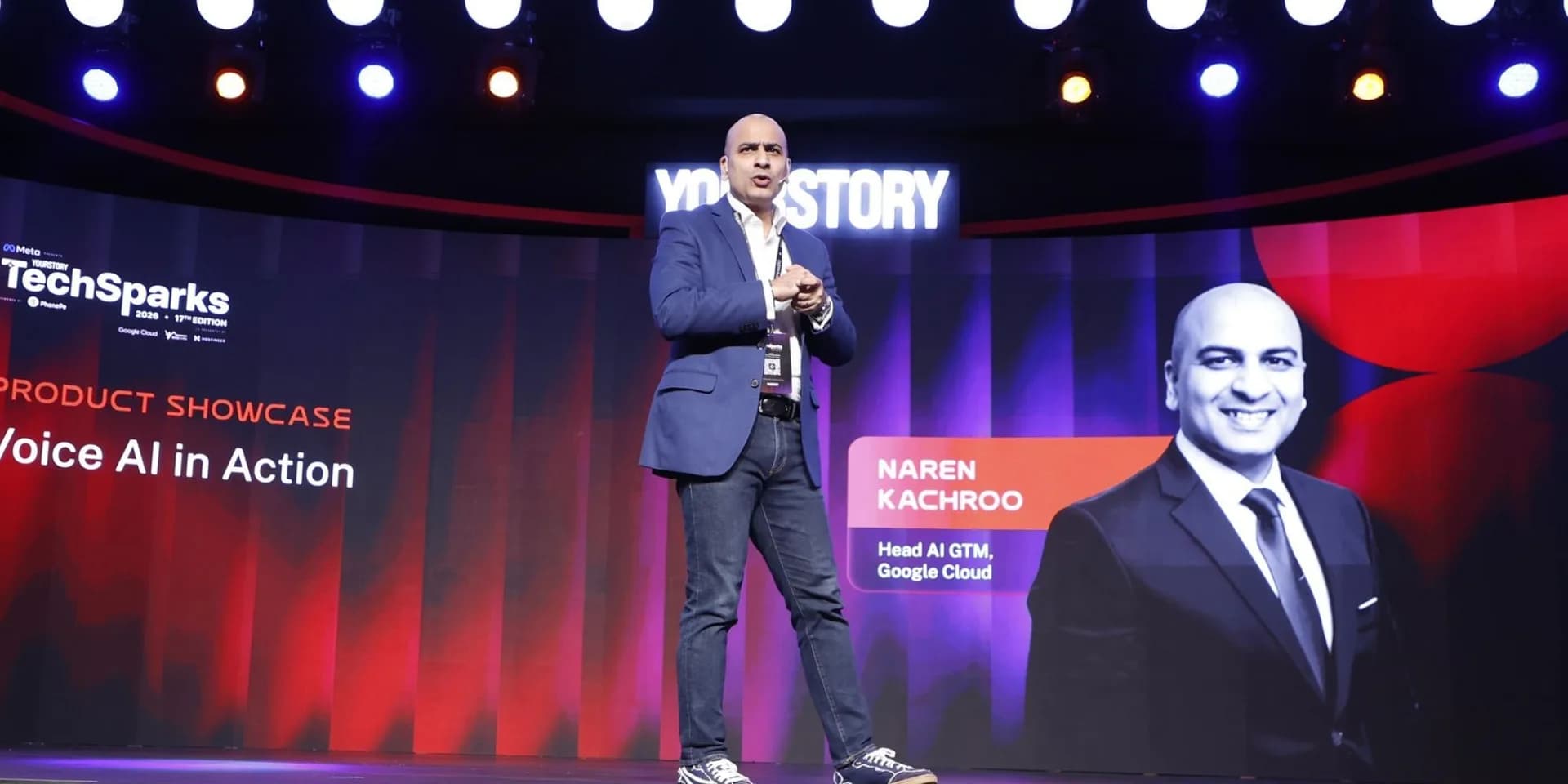
The voice demos carried the most weight. One system, built for Singapore's Grab, helped drivers and passengers coordinate airport pickups across a language barrier, part of a voice AI setup Shivani said can work across more than 85 languages.
A second demo took an English-language video and dubbed it into Marathi and Malayalam while matching lip movements and facial expressions, the kind of thing that could cut down the production work behind multilingual training material or marketing content.
Shivani also showed a virtual banking assistant built for Citibank's retail arm. In the demo, the AI avatar walked a customer through options for a maturing certificate of deposit and processed a 12-month renewal once the customer picked it. "Voice is becoming the new user interface," he said.
Code, security and a mountain of NASA data
On the development side, Shivani pointed to Antigravity, a Google tool for building applications, and CodeMender, which is designed to spot vulnerabilities in code, generate patches and test them in a sandbox before anything ships.
Two other demos were meant to show range. In one, Gemini worked through 80,000 files from NASA's open archives, including Mars weather readings and helicopter telemetry, and turned the lot into a presentation using a supplied template. In another, a model generated a detailed 3D library scene using Python and NumPy, with no dedicated rendering software or outside assets involved.
Shivani also mentioned Google's Open Knowledge Format, a structured way for companies to make their internal information readable to AI agents, something he framed as necessary groundwork before any of this works reliably at scale.
On cost, his advice ran against the instinct to reach for the biggest model available. "You don't need to have a frontier model for everything," he said, arguing that simpler tasks are better served by faster, cheaper models.
The bigger shift he described is organisational rather than technical. As agents start interacting with company systems directly, businesses will have to rethink permissions, security and spend in ways built for software, not just people. Developers, he suggested, may end up managing fleets of agents rather than writing every line themselves.
ADFiled by The AI Desk
Models, assistants and the companies and chips behind them, reported from what was released and what was claimed, with the difference kept clear.
More from this desk →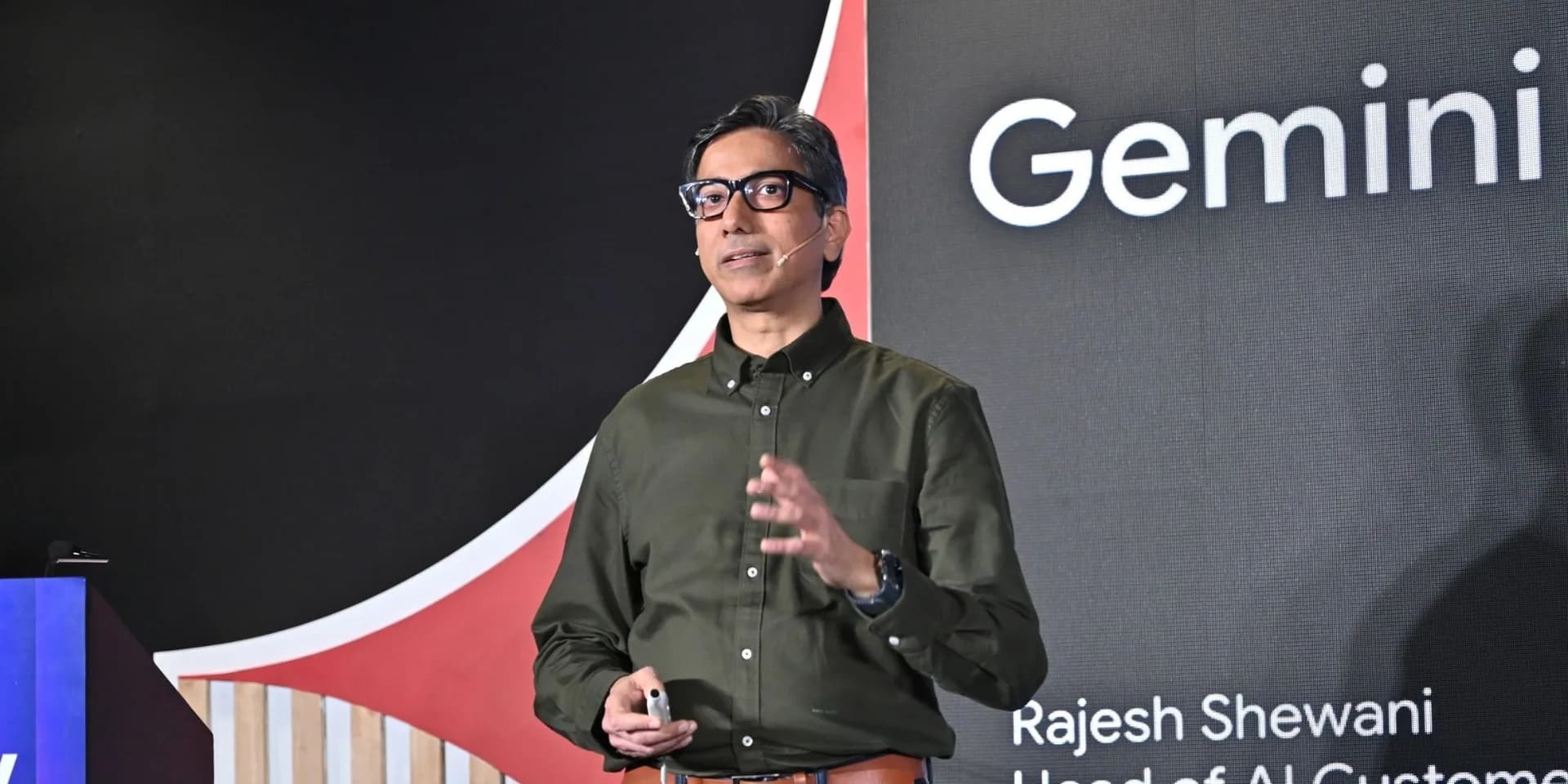
Be the first to comment
Join the argument. No password, just your email or a passkey.