Google is rolling out Gemini 4 Argon worldwide, aiming squarely at enterprise software engineering and automated security audits. Rather than chasing conversational banter, the company is pitching this model for multi-step workloads that require deep tool chaining across large codebases.
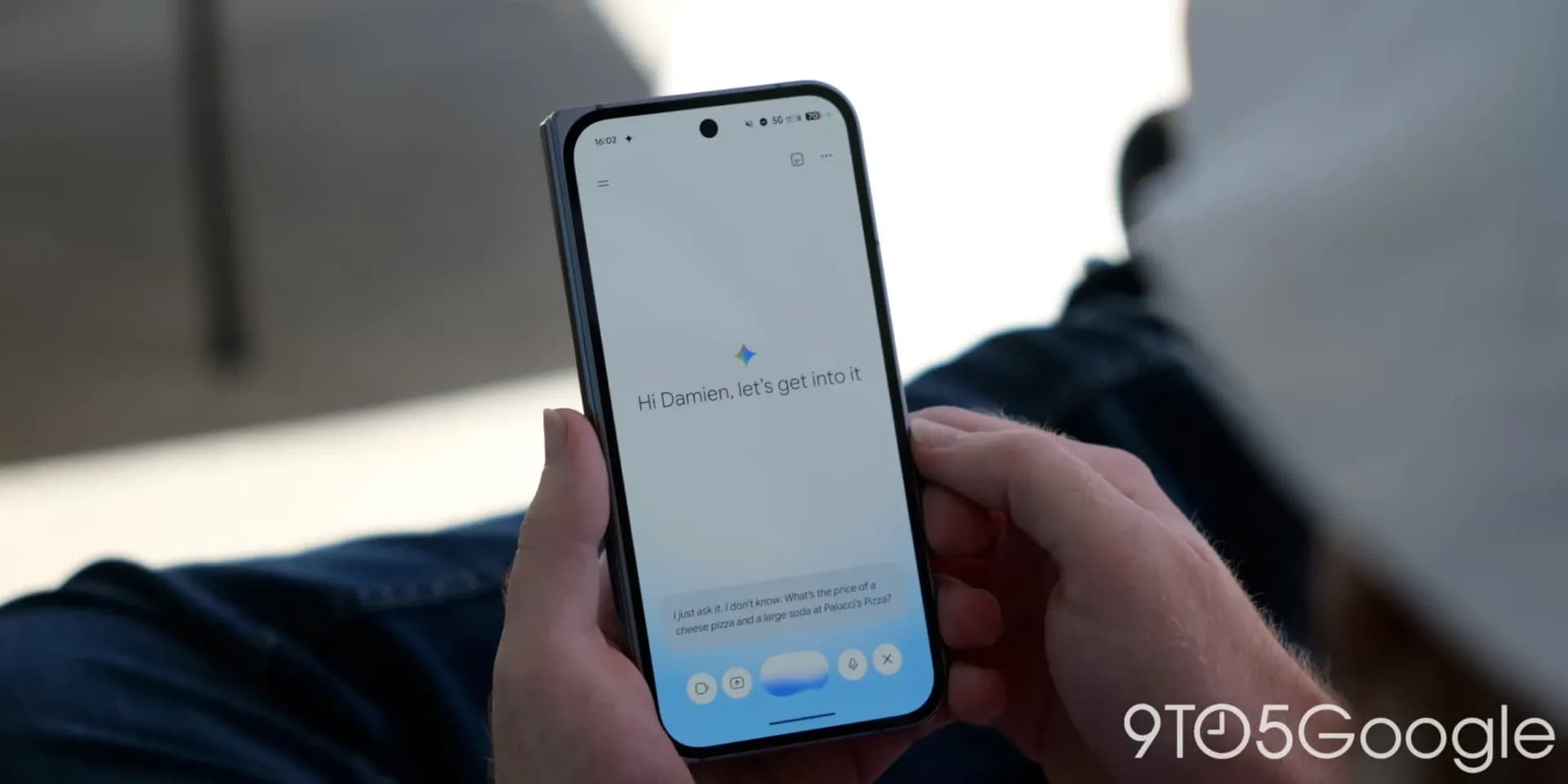
Access is rolling out across developer channels first. Builders can tap Argon through the Gemini API and Google AI Studio, alongside the company's Antigravity development environment. Paying consumers can reach it too, provided they subscribe to Google AI Pro or Ultra, where Argon surfaces inside the Gemini application and through AI Mode in Search.
Google set introductory API pricing at $2 (roughly Rs 175) for every million input tokens, while generated responses cost $10 (around Rs 875) per million output tokens. For teams supplying massive reference codebases as prompt context, Google is knocking 95 percent off cached input tokens, a discount intended to keep iterative development runs from running up runaway bills.
To convince engineering leads, Google cited internal deployment figures from its own teams. The company claims developers running Argon inside Google Antigravity saw AI-assisted code contributions jump by more than 35 percent, while rollbacks dropped by roughly 30 percent. Over on the Chrome team, Google reported that the model helped restructure hundreds of files in several weeks, a code migration it claimed would otherwise have eaten up months of manual labor.
Google CEO Sundar Pichai showcased Argon's reasoning by pointing to an internal demo that converted raw Pixel blueprints into an animated 3D render. Pichai said the system rewrote its own code and evaluated the visual output 1,000 times before settling on the finished render.
On benchmark claims, Google says the model took first place on the Vals Index, an evaluation suite designed to gauge cross-industry utility. The company also credited Argon with aiding researchers who identified functional enzyme structures during laboratory testing, alongside security teams that patched vulnerabilities in government and hospital infrastructure.
To court institutional researchers, Google is offering complimentary access for half a year to the highest Antigravity service tier for 10,000 scientists, subject to an application process. The company added that defenses are active to block indirect prompt injections and covert directives lurking inside web pages or external codebases. Both the developer APIs and paid consumer tiers are live immediately.
ADFiled by The AI Desk
Models, assistants and the companies and chips behind them, reported from what was released and what was claimed, with the difference kept clear.
More from this desk →
Be the first to comment
Join the argument. No password, just your email or a passkey.