Google has released Gemini 4 Carbon, a model it calls its strongest yet, and priced it to land exactly where Anthropic's Claude Opus 5.5 sits once a temporary discount runs out. That's a pointed move with Anthropic reportedly heading toward an IPO.
Carbon costs $2 per million input tokens and $10 per million output tokens for now, the same as its two-week-old predecessor Gemini 4 Argon. Google says that introductory rate will rise to $4 per million input tokens and $20 per million output tokens once the promotional window closes, though it hasn't said when that happens. Those higher numbers match what Anthropic charges for Claude Opus 5.5, which looks less like a coincidence and more like a message about who Google thinks it's fighting.
Koray Kavukcuoglu, senior vice president at Google DeepMind and the company's chief AI architect, singled out cybersecurity and long-running agentic tasks as Carbon's strongest areas. On internal testing, he said, Carbon generates secure code with more than double the success rate of Argon. He also cited the Chrome team's own evaluation, which reportedly found Carbon more than 10 times better than an unnamed rival frontier model at producing quality security patches.
Benchmarks are mixed, not dominant
Carbon isn't a clean sweep. It tops independent leaderboards SEC-bench Pro, ExploitGym and CWE-bench, which measure security and vulnerability-related tasks. But on WebDev Arena it sits fourth, behind Opus 5.5, GPT-6.1 Astra and Sonnet 5.5. On Arena.ai's Best Agent ranking it comes in second, again trailing Opus 5.5. Model evaluator Artificial Analysis puts Carbon first on its newly built Intelligence Index v5, but second to Claude Code Opus 5.5 on its separate Coding Agent Index.
So Carbon leads where Google wants it to lead, security and defensive coding, while Anthropic's Opus 5.5 keeps an edge in broader coding and agent work. That split is probably why Google matched Opus 5.5's eventual price instead of trying to undercut it outright.
Limited rollout, broad ambitions
Carbon's cybersecurity capabilities go live this week to what Google describes only as an unspecified set of cybersecurity defenders, with wider access expected through the company's Fairwind program over time. Google says it wants to make the model generally available "as soon as possible," without giving a date.
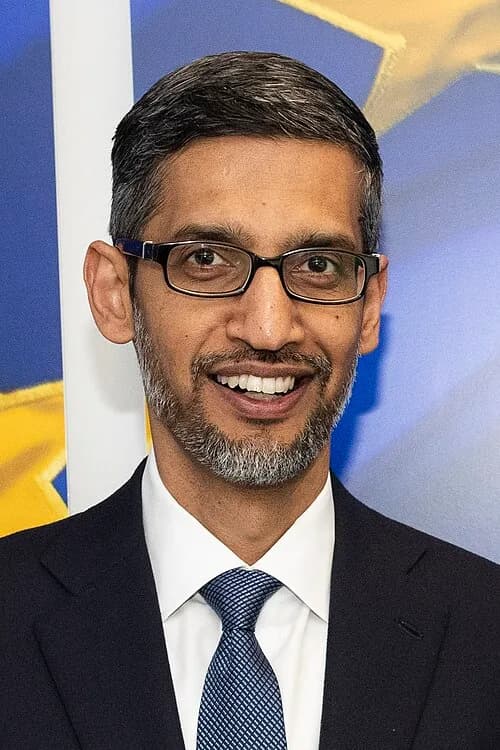
The launch follows what The Register's reporting describes as a shakier period for Google DeepMind after a recent leadership change raised questions about the unit's competitive footing. Carbon and Argon appear to be Google's answer. "Gemini 4 Argon and Carbon are now leading at the frontier," Alphabet CEO Sundar Pichai said in a statement tied to the company's Q3 2026 earnings, adding that Google's first-party model APIs now process nearly 32 billion tokens per minute, over four times the volume from a year earlier.
On revenue, Google isn't waiting for benchmark bragging rights. Emarketer principal analyst Nate Elliott told The Register that Google's half-trillion-dollar run rate is "almost ten times more than either OpenAI or Anthropic," a reminder that the benchmark race and the money race aren't the same contest, even if Google would like them to look that way.
ADFiled by The AI Desk
Models, assistants and the companies and chips behind them, reported from what was released and what was claimed, with the difference kept clear.
More from this desk →


Be the first to comment
Join the argument. No password, just your email or a passkey.