Google quietly rewrote a line in its privacy policy on October 16th that changes what the company can do with your Gmail, Drive and Photos data once you opt into its cross-app AI feature.
The update was first flagged by Android Authority's Shimul Sood, and later picked up by The Verge and 9to5Google. The old policy stated flatly that personalized ads were not "based on your content from Drive, Gmail, or Photos." The new version keeps that sentence but tacks on a condition: "unless you choose to make data from these services available to other Google services that support personalized ads."
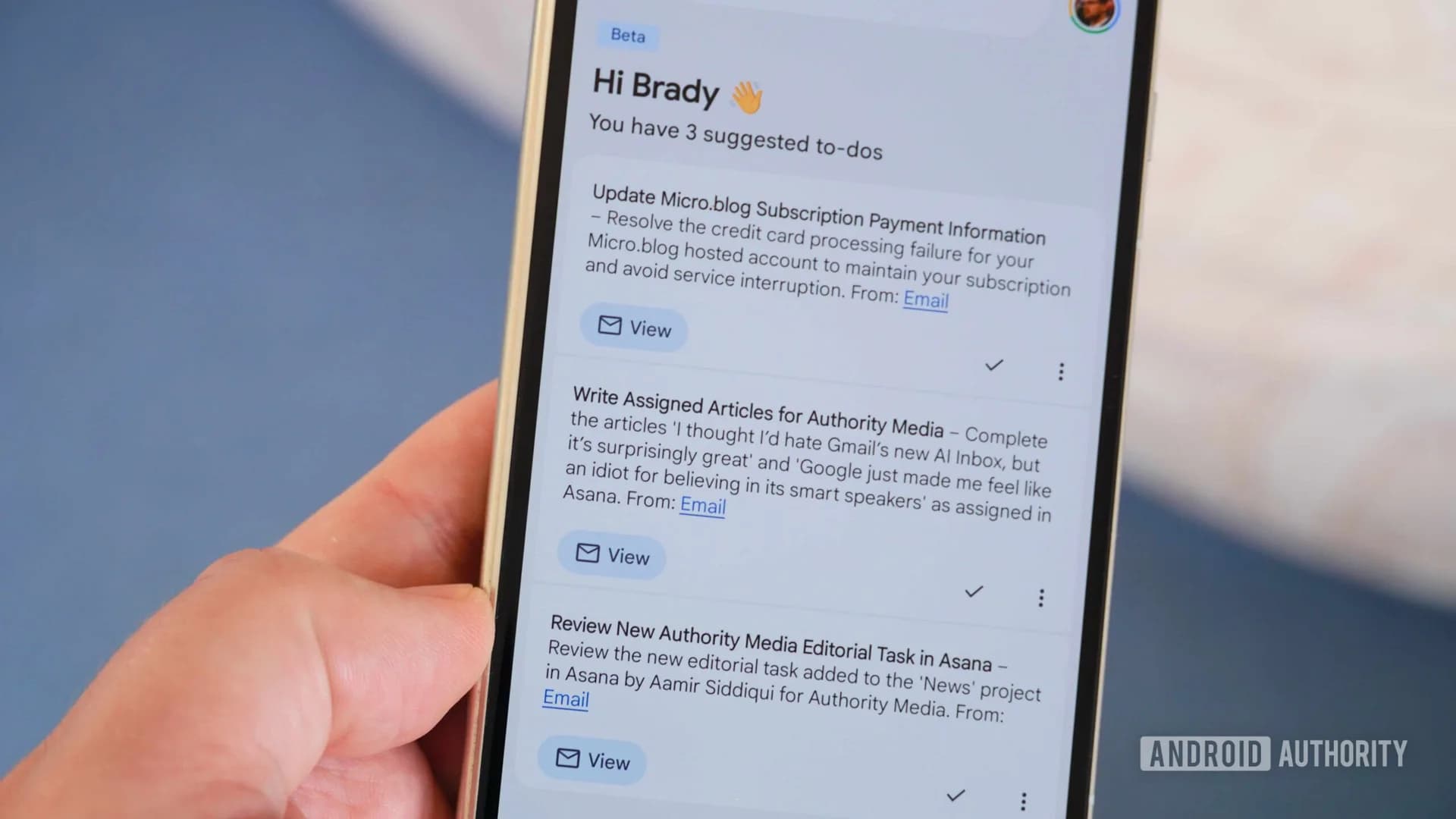
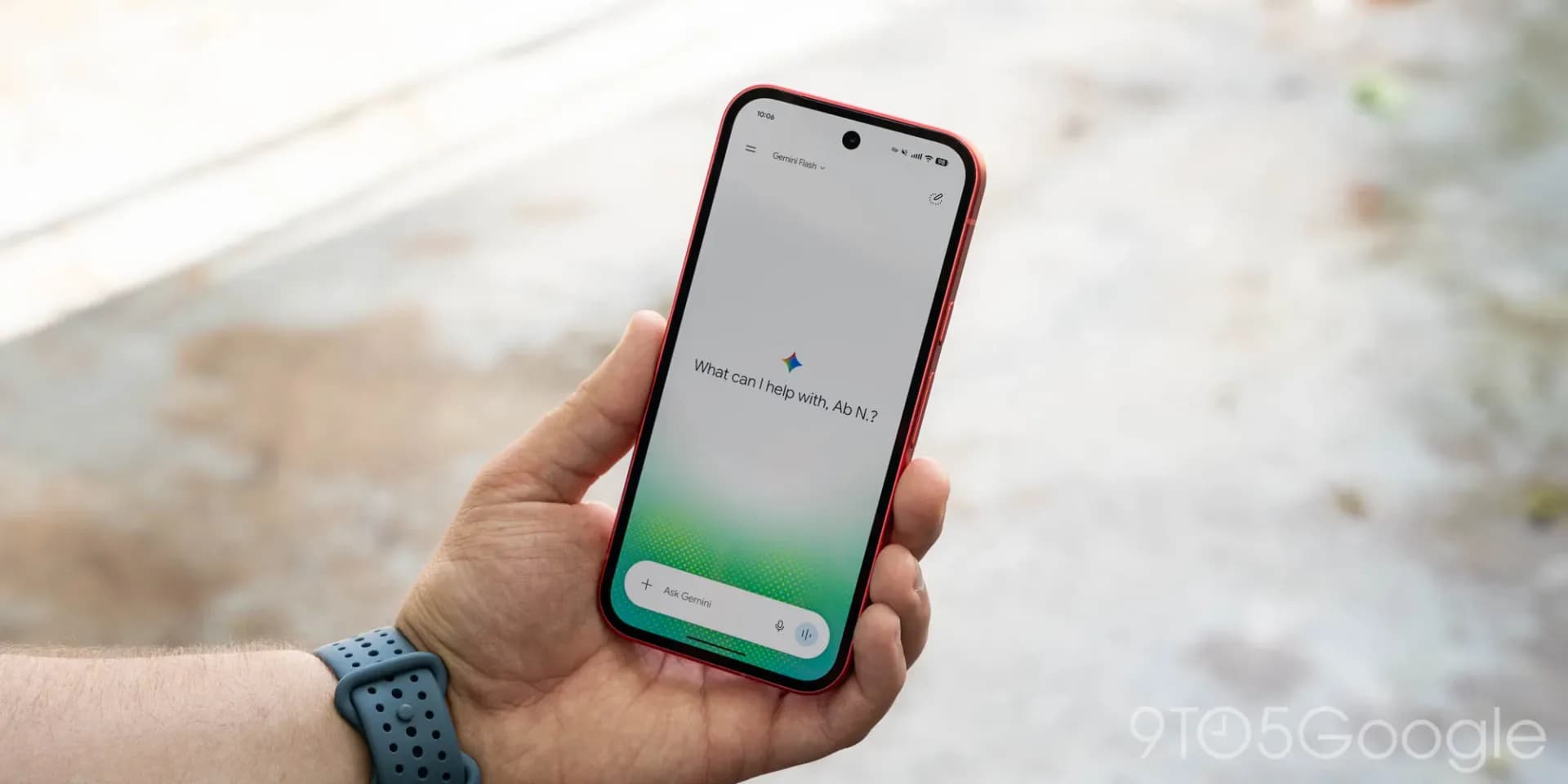
That choice, Google explains elsewhere in the document, is tied to Personal Intelligence, the feature that lets Gemini pull context across Gmail, Photos, Search, Drive and other apps to act more like a personal assistant. Turn that on, and the data you've allowed to flow into services like Search can now feed into ad targeting there, too.
What Google says it still won't do
Google maintains that advertisers themselves don't get to see the contents of your inbox or your photo library, and that personally identifying details like your name and email address stay hidden from advertisers without separate permission. That part of the language hasn't changed. What has changed is the wall between your private content and the ad-targeting machinery sitting behind services like Search, once Personal Intelligence is switched on.
Personal Intelligence started rolling out in beta earlier this year and remains opt-in, according to 9to5Google, so nobody is forced into this today. But the wording shift matters because it closes a gap that used to be absolute. Before, Gmail and Photos content was simply off-limits for ad personalization, full stop. Now the boundary depends on a setting most people never go looking for.
How to check your own settings
Users who want to see where they stand can head to Data & Privacy under their Google Account page, open Personalization settings, and select Manage Personalized Recommendations under Search services. From there, a Turn Off button disables personalized recommendations entirely, which according to the reporting also cuts off this particular path between Personal Intelligence and ad targeting.
The response online so far has been mostly irritation rather than panic, with plenty of Android users asking how the ad settings relate to Personal Intelligence toggles in the first place, since the two live in different menus and Google's own phrasing does little to connect them for an average reader.
Google hasn't said whether Personal Intelligence will stay opt-in once it exits beta, and the company didn't respond to the outlets' questions about why the policy language changed without a public announcement. For now, the practical move for anyone uneasy about it is to check those settings directly rather than wait for Google to explain the fine print.
SDFiled by The Software Desk
Apps, platforms, operating system releases, security fixes and the features arriving in them.
More from this desk →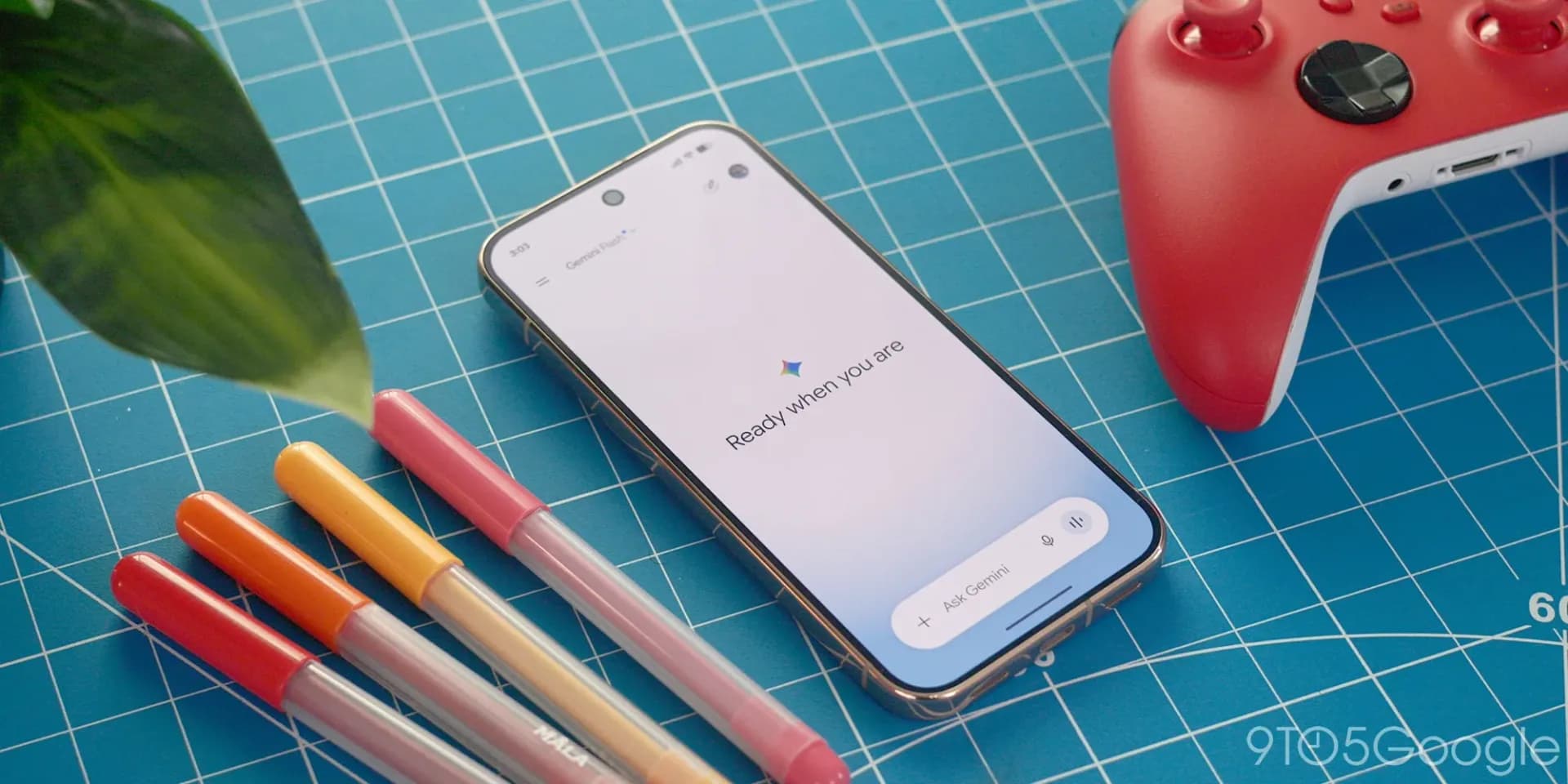
Be the first to comment
Join the argument. No password, just your email or a passkey.