GrapheneOS for Pixel 11 is confirmed — but not yet shipping. The privacy-focused Android fork will run on Pixel 11 phones once GrapheneOS based on Android 17 QPR2 launches, the team confirmed on social media. That version supports Memory Tagging Extensions (MTE), a hardware-backed security feature that helps prevent memory corruption exploits.
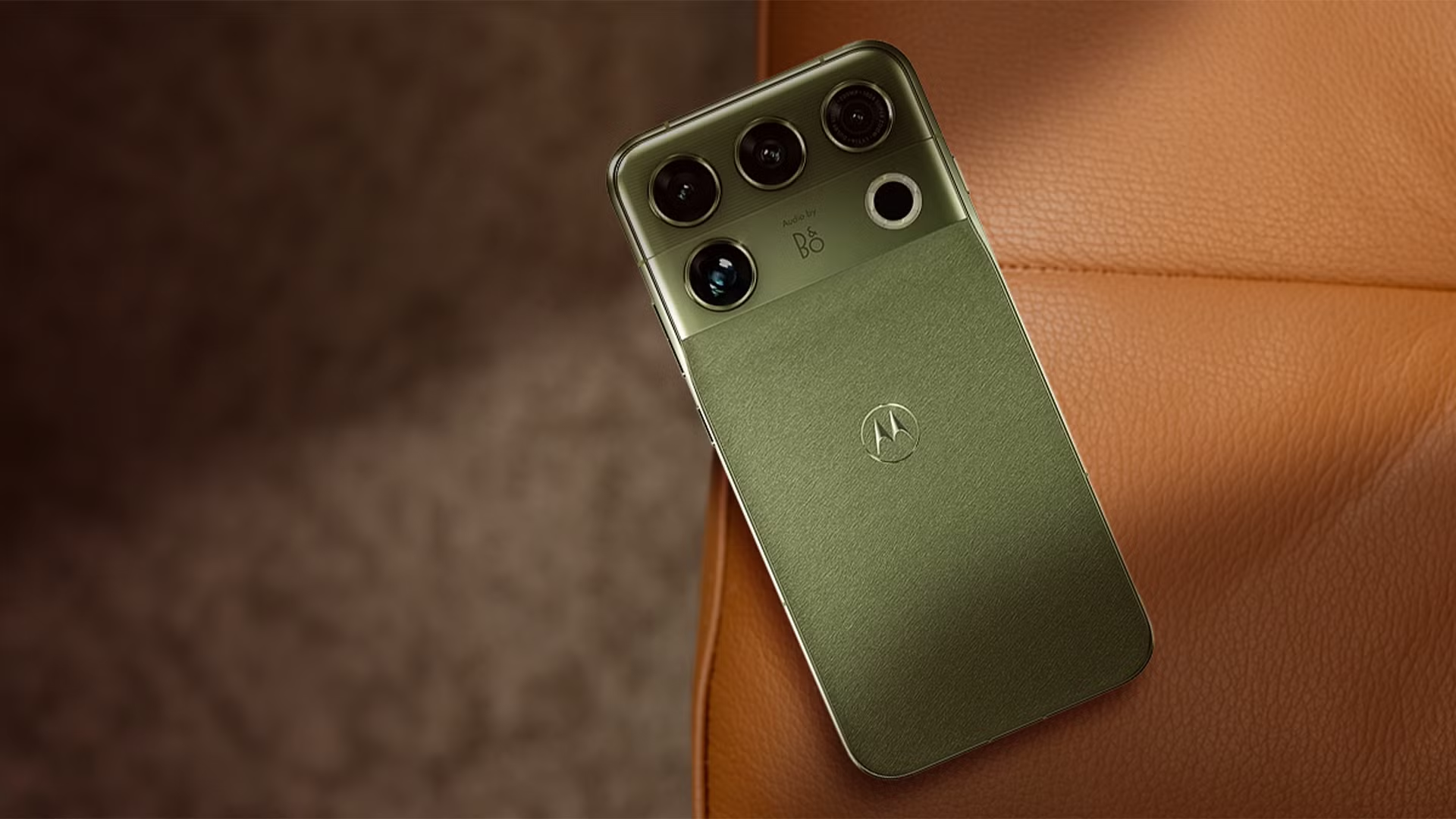
Pixel 11 devices lacked MTE support at launch, blocking GrapheneOS compatibility until now. Android 17 QPR2 brings it, and with it, the green light for the port. No release date is set. The team says Pixel 11 support arrives after GrapheneOS lands on the Motorola Signature 27 and after the Android 17 QPR2 base is finalized.
Performance? “Acceptable” and “more than good enough,” per the GrapheneOS team, with MTE overhead matching what’s seen on earlier Pixel models. That’s notable: no major slowdowns expected, despite the added security layer. Motorola Signature 27 users get priority.
Its performance will be “much better,” the team notes, unsurprising given its more powerful chip and the official partnership between Motorola and GrapheneOS. This isn’t just about Pixel 11. It’s about expansion. Until the Motorola deal, Pixels were GrapheneOS’s only officially supported devices.
Now, two hardware partners are in the pipeline, and Pixel 11 closes the gap left by its initial MTE omission. GrapheneOS remains unsupported on Motorola Razr Flex 27, Razr Flex 2027, Galaxy S27 Ultra, and all non-Pixel, non-Signature 27 Android devices. Search terms like “grapheneos pixel 11” and “grapheneos phone” now point to real, imminent support, not just hope.
Next step: wait for the Motorola Signature 27 rollout, then the Android 17 QPR2-based GrapheneOS build. Only then does Pixel 11 join the list.
MDFiled by The Mobile Desk
Phones from leak to launch to price cut: what was announced, what it costs where, and when it goes on sale. Indian launches and prices included, not appended.
More from this desk →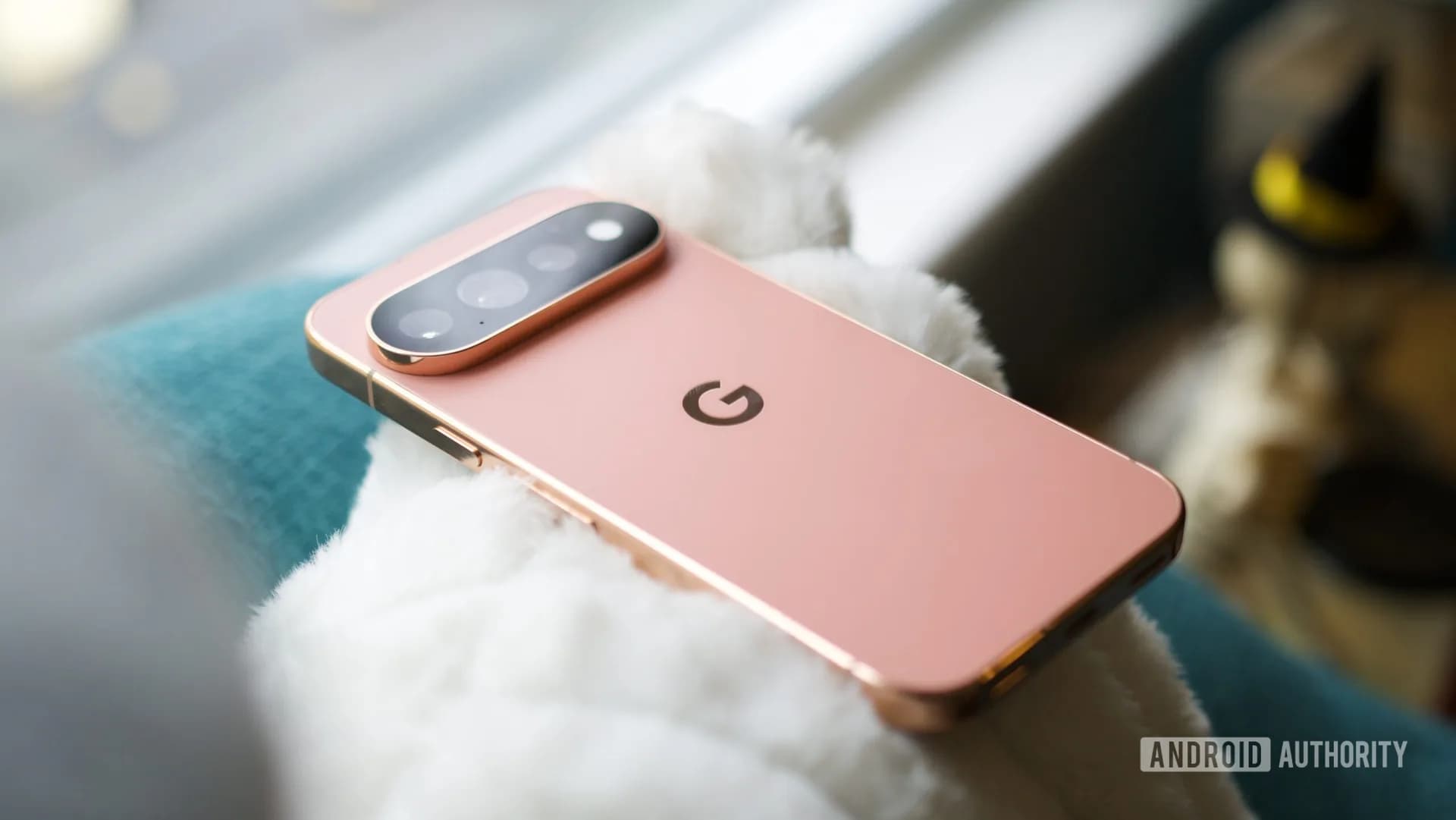
Be the first to comment
Join the argument. No password, just your email or a passkey.