The Open Home Foundation has pushed a beta update to the Matter server that runs underneath Home Assistant, and it fixes one of the more annoying quirks of smart lighting: the delay when a room full of bulbs doesn't turn off at the same instant.
Version 1.5.0 upgrades the underlying Matter.js engine to 0.18.0, which brings support for Matter 1.6.1, the spec update the Connectivity Standards Alliance shipped in September. That release promoted a feature called Groupcast out of provisional status and added independent volume and mute controls for doorbell chimes.
Why your lights used to stagger
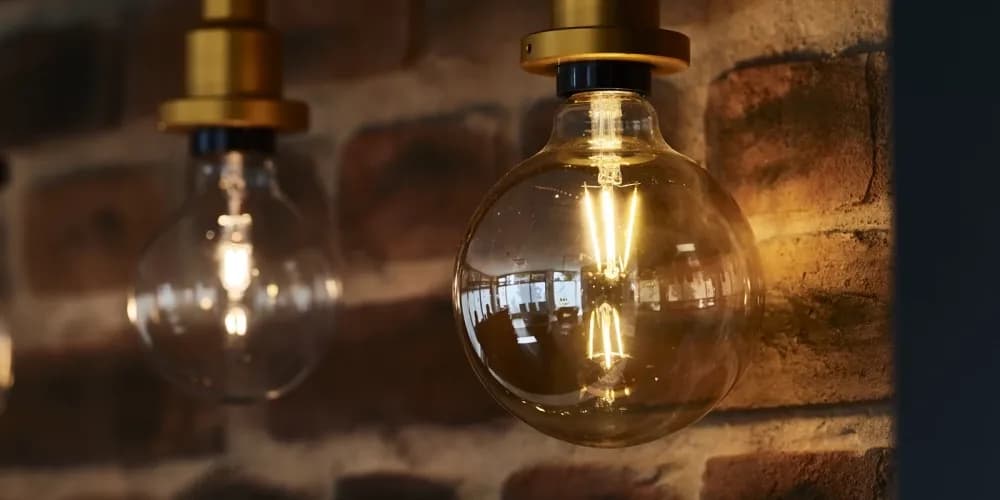
Until now, Home Assistant controlled groups of Matter devices by firing off commands to each one individually, in sequence. Turn off five bulbs in the same room and you'd see them flick off in a ripple rather than all at once, sometimes called the popcorn effect. The new server lays the protocol groundwork for native IPv6 multicast group messaging over Thread, Wi-Fi and Ethernet, which should let compatible devices respond in sync rather than one after another.
Talking back through the camera
The bigger addition for anyone running Matter cameras is two-way audio. The update introduces WebSocket Schema version 14 with a dedicated camera API, so the server itself now manages WebRTC sessions and stream negotiation instead of leaning entirely on raw Matter cluster commands. A new talkback parameter lets a user speak through a compatible device, such as the Aqara Camera Hub G350, directly from the Home Assistant dashboard or a connected client app. The update also addresses several issues that were causing WebRTC streams to drop, and it adds clearer error codes for troubleshooting.
Matter standardizes the basics, but manufacturers often lean on custom vendor clusters for anything beyond that. Version 1.5.0 adds native support for three custom clusters used by the Aqara Spatial Multi-Sensor FP400, an mmWave sensor that tracks multiple people's position and posture over Thread or Zigbee. That unlocks detection zones and live positioning data over Matter, alongside a fix that ensures zone configuration data actually reaches the sensor correctly.
IKEA's upcoming LILJEBAGGE radiator thermostat also gets support, through a custom ValveCalibration cluster and a new control panel in the server dashboard that lets owners calibrate the valve without an IKEA hub. Owners of older Eve Energy smart plugs get a smaller fix too: a new command-line flag for adjusting how often the server polls legacy hardware that doesn't support live state updates.
Elsewhere, the fixed three-minute grace period before a disconnected device got marked offline has been removed, so unreachable nodes now show up as unavailable immediately. The Door Lock panel can generate temporary guest PIN codes with custom expiry times, and sharing a device with another platform like Apple Home or Google Home no longer requires decoding a QR code, since the server now surfaces the pairing details directly.
Version 1.5.0 is in beta now, with a toggle available in the Matter Server add-on settings for anyone who wants to try it early. The Open Home Foundation says it expects a stable release soon, though it notes that several of the new features still need corresponding work in Home Assistant Core before most users will actually see them in the interface.
HTFiled by The Home Tech Desk
TVs, home appliances and the smart home: refrigerators, washing machines, air conditioners, purifiers, robot vacuums, the sets on the wall and the platforms that connect them. Launches, prices in the US and India, and what changed.
More from this desk →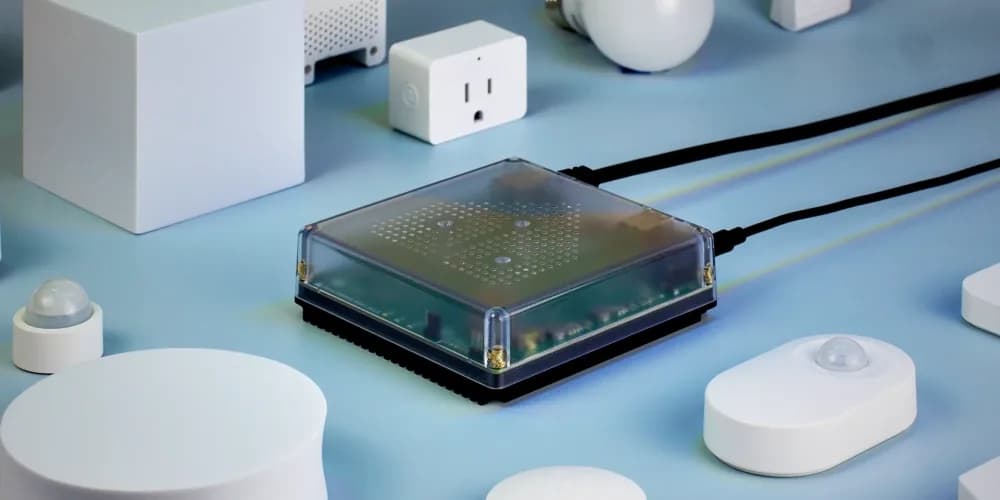
Be the first to comment
Join the argument. No password, just your email or a passkey.