The Echo Dot 2nd gen (model RS03QR) is now officially the easiest path to a local, Alexa-free voice satellite for Home Assistant — thanks to a new open-source project called echo-dot-assist, whose code, documentation, and notes were written in conversation with Claude, according to its author. The project doesn’t rebuild the hardware.
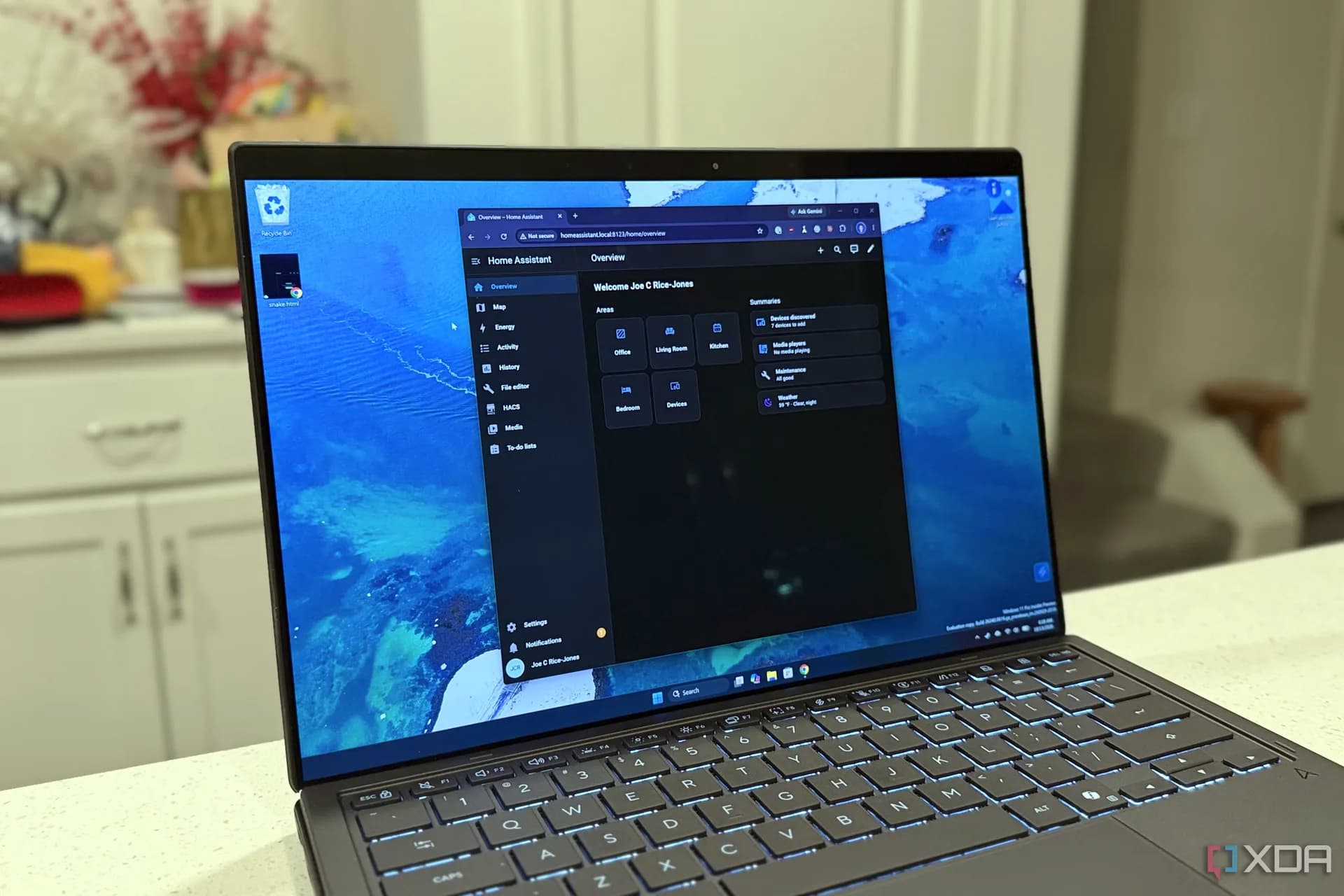
It keeps Amazon’s on-device microphone processing and wake-word detection intact, the parts that actually work well, and strips out everything that talks to Amazon’s cloud. What remains is a small daemon called hassmic, which Home Assistant discovers as an ESPHome device. No YAML. No add-on.
Just a re-flashed Echo that answers to your local Assist instance instead of Alexa. And it ships with a firewall that blocks all outbound traffic except DNS lookups and hassmic’s own requests, meaning no telemetry, no updates, no Amazon servers touched after boot. Except for a brief window before the firewall activates, the project says.
That gap is documented, not hidden. The README opens with a blunt warning: “Vibecoded, unaudited, your risk.” The author confirms Claude wrote the code, docs, and setup notes collaboratively, not autonomously, and tested it on one unit per supported Echo generation. You’re not building with Claude here. You’re running someone else’s AI-assisted project on hardware you’re prepared to lose.
Which matters, because bricking is possible. A mistyped command during unlock can permanently disable the device, same as with any manual ADB or bootloader exploit. Only certain models are viable. The 4th-gen Echo Dot has no known exploit.
The 3rd-gen works only if it’s the 2018 revision, and even then, requires opening the case and soldering to test pads, with warnings that recent firmware updates have left some units unusable after unlock. The 2nd-gen (RS03QR) is the exception: micro-USB port, no soldering, no case opening. Unlock takes under five minutes using TWRP, built by developer R0rt1z2, whose XDA thread the project deliberately routes users to.
R0rt1z2 insists the unlock be performed manually, never via script, so the echo-dot-assist setup pauses and waits while you hold the action button, plug in the device, type YES, and walk away until the ring turns white. After that, the script handles flashing Fire OS to both system slots, joining Wi-Fi, installing hassmic, and locking down the network.
There’s even a dry-run mode, which prints every command without executing any, though one tester mistakenly assumed that output meant the firmware was already flashed. It wasn’t. He ran boot-root too early, hit an error about missing veritykeyid, and had to restart the full flash process. Once done, hassmic boots in ~131 seconds and reports “self test: passed”, even if the final automated health check fails, as it did for him.
That’s not a crash. It’s just timing. The project also disables Amazon’s update service and disables online updates for the satellite itself by default. DNS is allowed, including whatever resolvers your network assigns, like Google’s 8.8.8.8, so Amazon’s internal services can still resolve addresses.
They just can’t connect. This isn’t a consumer product. It’s a niche, technical, self-hosted workaround, and it’s the clearest public example yet of Claude being used not to generate marketing copy or debug logs, but to co-author production-grade embedded firmware tooling. It ships today, on GitHub.
No price. No support. No warranty. Just code, warnings, and one very specific, very old Echo model that actually works.
HTFiled by The Home Tech Desk
TVs, home appliances and the smart home: refrigerators, washing machines, air conditioners, purifiers, robot vacuums, the sets on the wall and the platforms that connect them. Launches, prices in the US and India, and what changed.
More from this desk →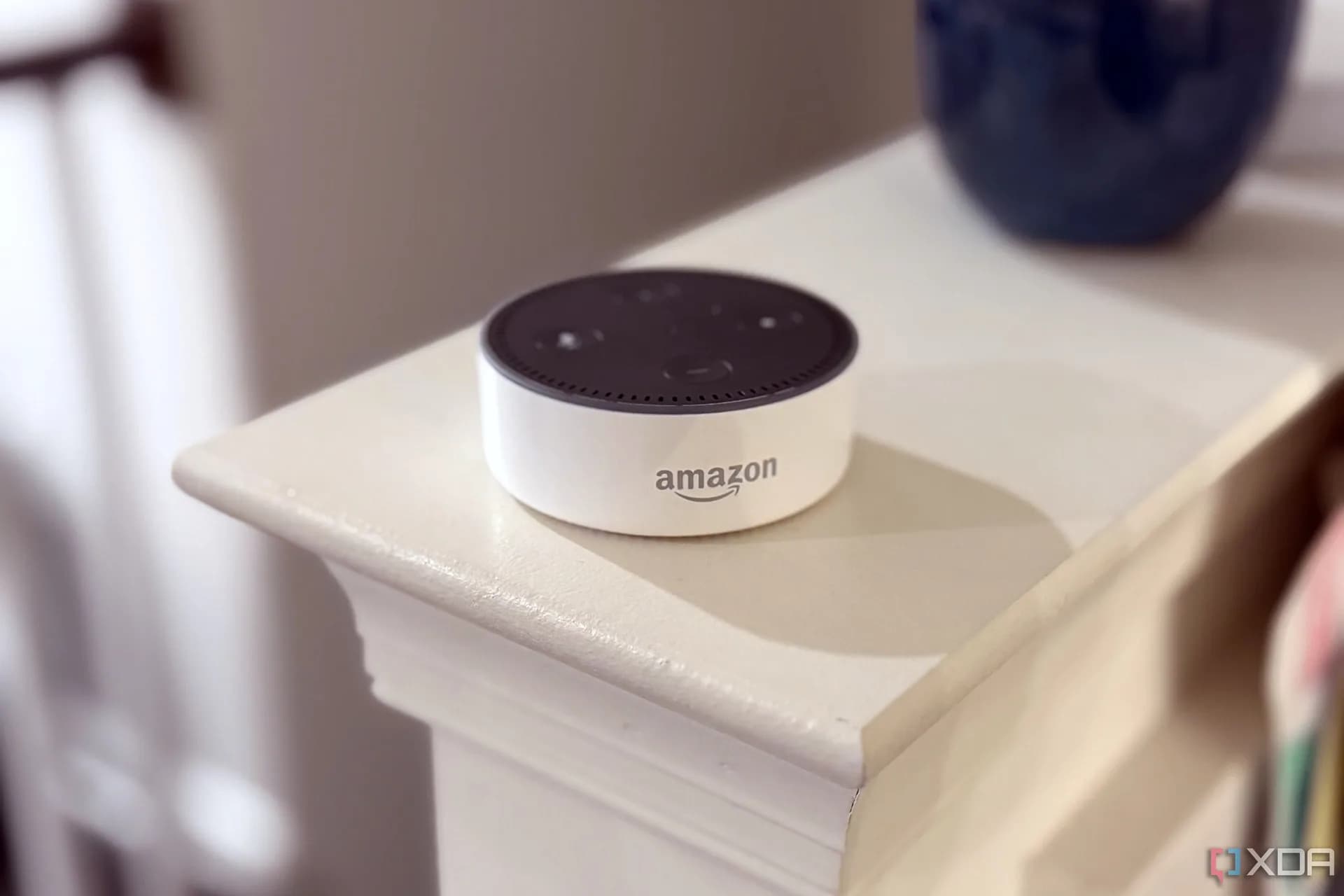
Be the first to comment
Join the argument. No password, just your email or a passkey.