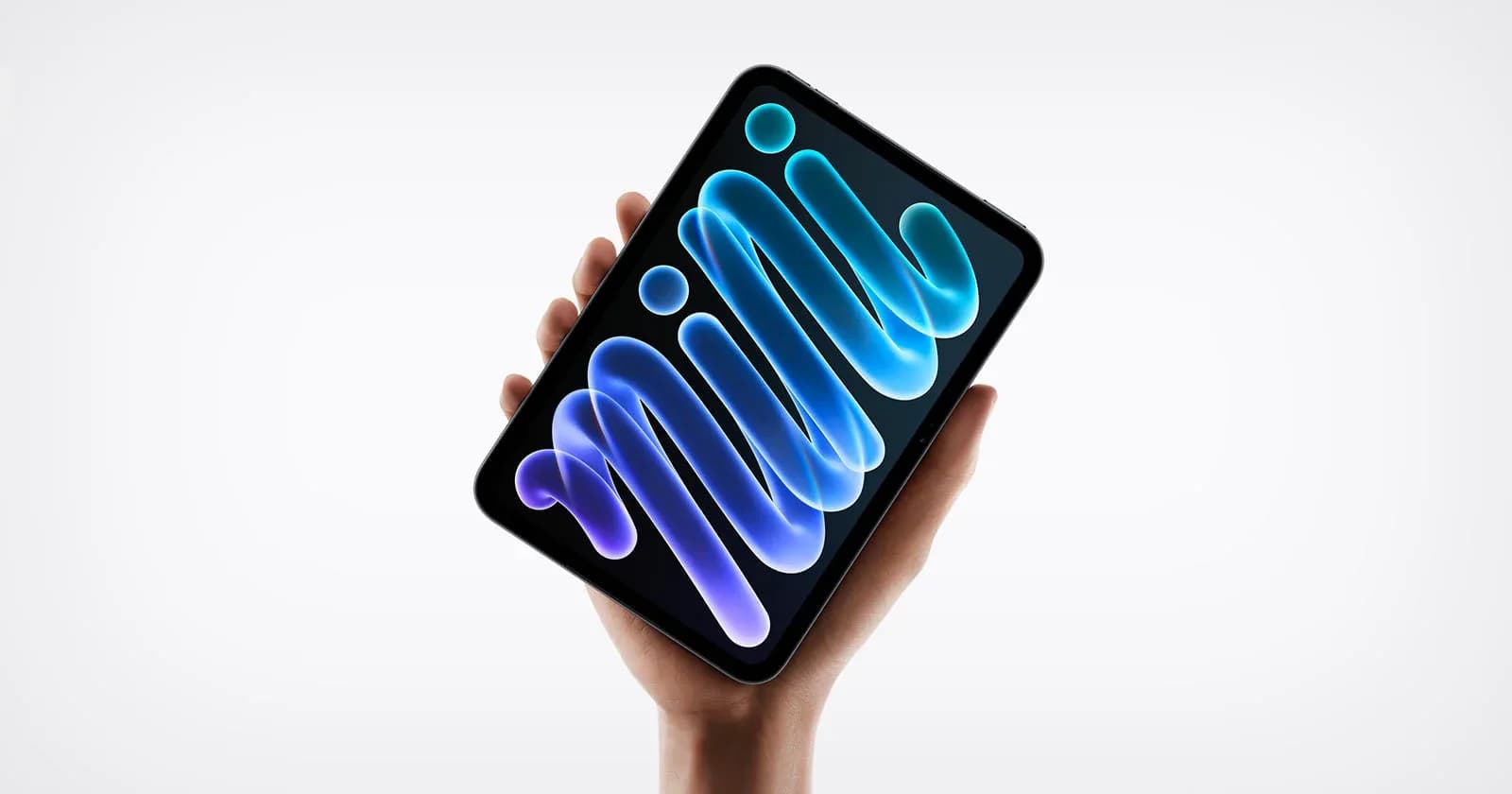
Apple announced a new iPad mini on Monday, and for the first time since 2021 the smallest tablet in its lineup gets a different kind of screen. The eighth-generation model swaps the Liquid Retina LCD panel for an 8.5-inch Super Retina XDR OLED display, and it costs $100 more than the outgoing version: $699 against $599 for the 2024 model.
That's the second price increase for the iPad mini this year. Apple already raised the price once over the summer, citing component shortages that have rippled across the tech industry as demand for AI hardware eats into supply of memory and displays.
The new screen is the headline change. It peaks at 1,200 nits, drops to a 1-nit minimum for reading in low light, and hits 600 nits for full-screen SDR and HDR content, up from 500 nits on the 2024 panel. Apple also added a nano-texture glass option, a first for the mini, and the resolution climbs slightly to fit the larger 8.5-inch display into a body that's the same width and height as before, just thinner. Bezels shrank by 24%.
Inside, the A17 Pro gives way to the A20 Pro, a 2nm chip with a 7-core GPU carrying Neural Accelerators in every core. Apple claims up to 60% faster CPU performance, 2.7 times the graphics performance and 4.5 times the AI performance compared to the previous chip. The 512GB configuration gets an extra perk: a dual 16-core Neural Engine that the 128GB and 256GB versions skip.
Storage tiers haven't moved, still 128GB, 256GB and 512GB, which will disappoint anyone who'd heard rumors the base model might jump to 256GB. Apple Pencil Pro and Apple Pencil (USB-C) support carries over unchanged, and there's still no Magic Keyboard compatibility.
The new mini is also the first in the line to carry an IP67 rating for water and dust resistance, and it picks up Wi-Fi 7, Bluetooth 6 through Apple's N1 chip, a C2 modem for cellular models, and an Acoustic Display speaker system. The front camera has moved to the landscape edge, matching the layout on the M5 iPad Pro. Color options have been trimmed from four, blue, purple, starlight and space gray, down to two: midnight and starlight.
Nobody outside Apple has reviewed the new iPad mini yet, so there's no independent word on battery life or real-world performance. But on paper, the OLED panel addresses the weakest part of the 2024 model, and the brightness range alone should make a difference both outdoors and in the dark.
For anyone still holding a 2024 iPad mini, the case for upgrading is about the screen rather than raw speed, since the A17 Pro inside that model can still handle most everyday tablet tasks. That older model is also likely to get cheaper at third-party retailers once the new one goes on sale in November, which could make it the better buy for anyone unmoved by OLED.
The iPad mini's closest rival inside Apple's own lineup is the $2,000 iPhone Duo, a foldable device with a 7.6-inch screen, just under an inch smaller than the new mini's display.
GDFiled by The Gadgets Desk
Audio, wearables, cameras, tablets, chargers and every other device worth carrying or plugging in.
More from this desk →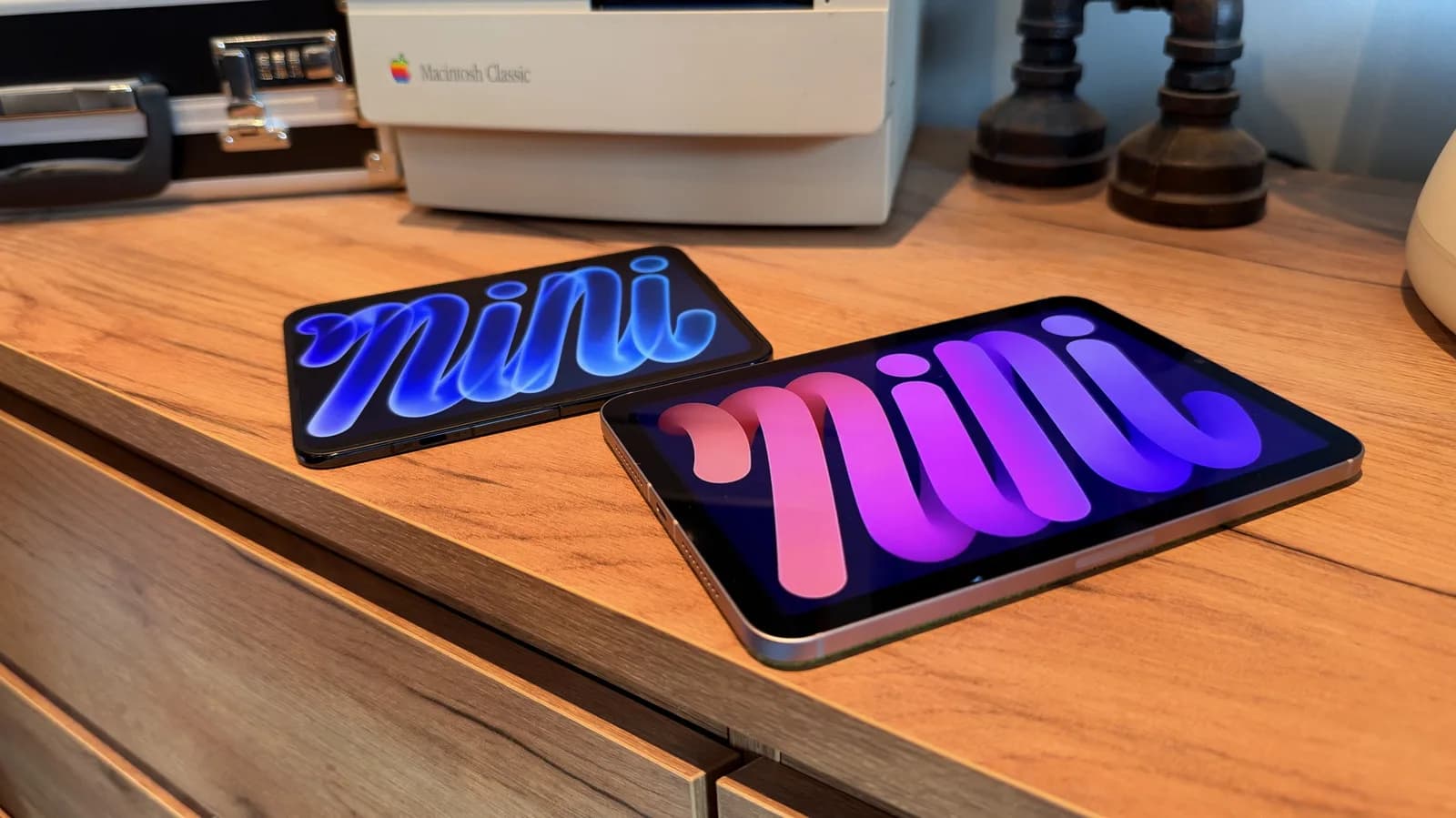


Be the first to comment
Join the argument. No password, just your email or a passkey.