The iPhone Duo is officially on sale — and its biggest flaw isn’t Apple’s hardware. It’s the black bars.* Not the ones in the display bezel. The ones flanking unoptimized apps on the 7.6-inch main screen. Two weeks after launch, major apps from Google, Doordash, Instacart, LinkedIn, Wells Fargo and Uber still render with massive letterboxed margins, wasting nearly half the screen real estate.
Tom’s Guide calls it “the worst thing about the iPhone Duo”, and notes it’s not made by Apple. The problem isn’t universal. YouTube TV, PianoFold Rhythm and AirMail already use the foldable canvas intelligently: grid layouts, dual-column interfaces, split-screen workflows. But Google Drive, Sheets, Gmail (which fills the screen but lacks a two-column inbox), and Calendar remain stubbornly phone-sized.
LinkedIn rotates awkwardly. Cheesecake Factory and Doordash offer no cover-to-main-screen continuity. Uber works fine on the 5.4-inch front display, but Lyft already supports full-screen use on the larger panel. This isn’t a spec failure.
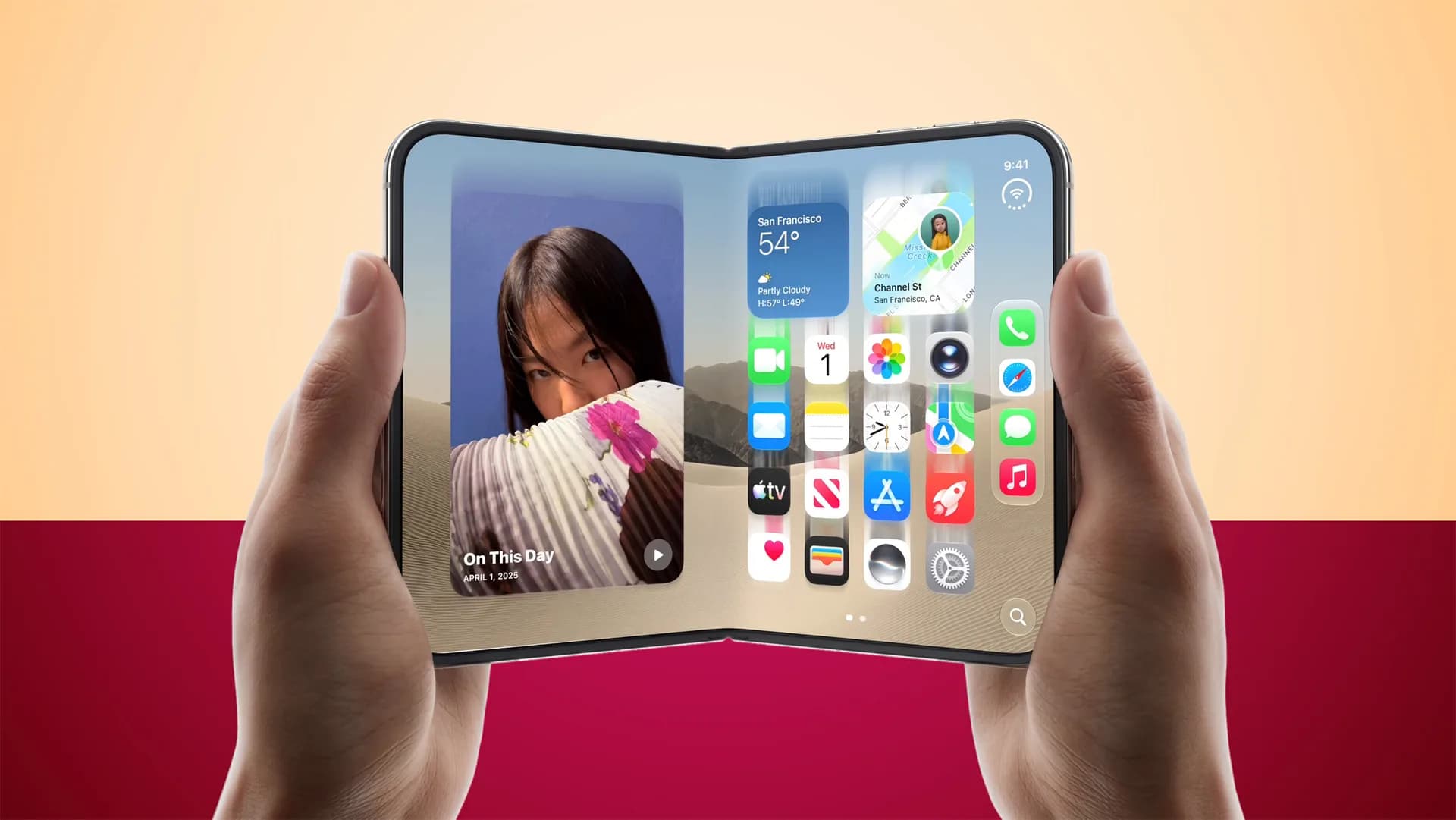
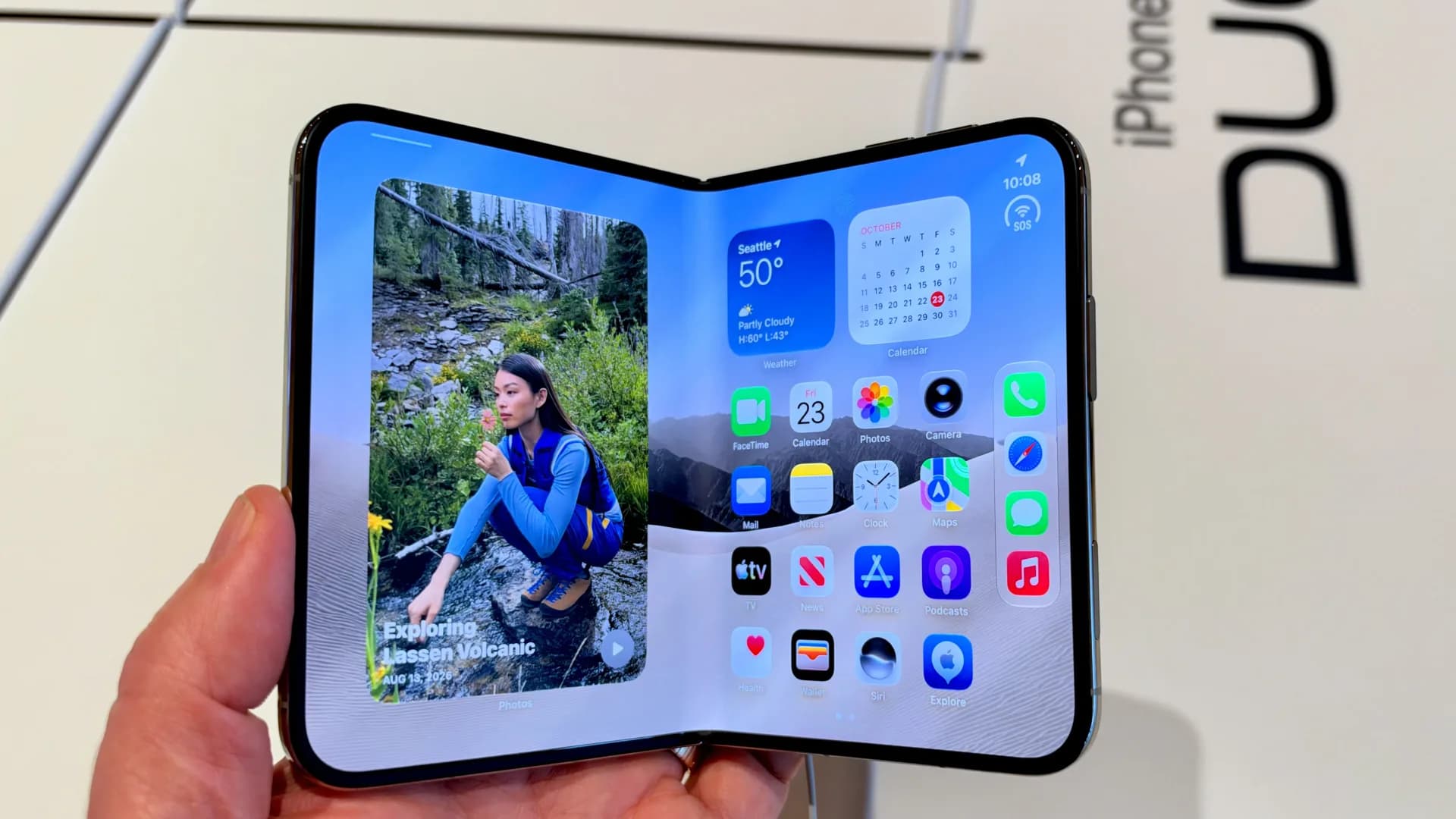
It’s a software rollout bottleneck. Apple shipped the iPhone Duo with iOS 18.5 and robust developer tools for hinge-native layouts. But adoption is lagging, especially among Google’s suite, which Tom’s Guide explicitly flags as “some of the worst offenders.” Why does it matter? Because at $2,000 in the US and ₹99,900 in India, the iPhone Duo isn’t a novelty.
It’s a $2,000 productivity device, and right now, many of the apps people rely on for work, banking, travel and food delivery don’t treat it like one. There’s no official timeline for fixes. Apple hasn’t issued a public statement. Developers haven’t announced updates.
And while Tom’s Guide suggests app makers may be waiting for “a critical mass of iPhone Duo users,” that wait risks becoming self-fulfilling: buyers hold off until apps improve. Apps stay unimproved until more people buy. What happens next? Expect pressure to mount, first from reviewers, then from enterprise IT departments evaluating deployment, then from Apple itself.
The company has pushed hard for iPadOS-style app scaling before. This time, the stakes are higher: the iPhone Duo isn’t just another screen size. It’s Apple’s first hinge-based iPhone, and its success hinges on whether developers treat it as a new platform, not a stretched iPhone.
SDFiled by The Software Desk
Apps, platforms, operating system releases, security fixes and the features arriving in them.
More from this desk →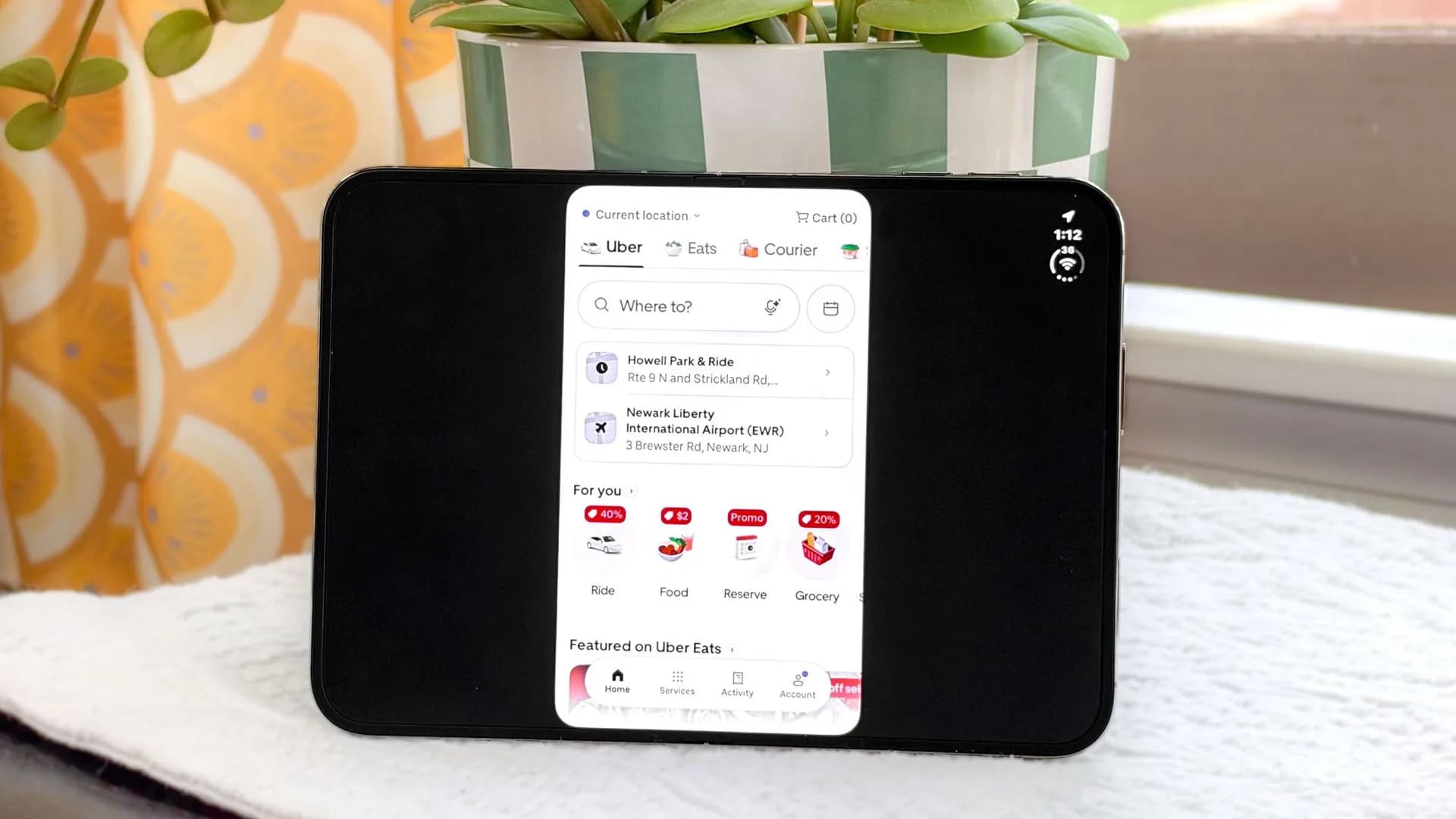
Be the first to comment
Join the argument. No password, just your email or a passkey.