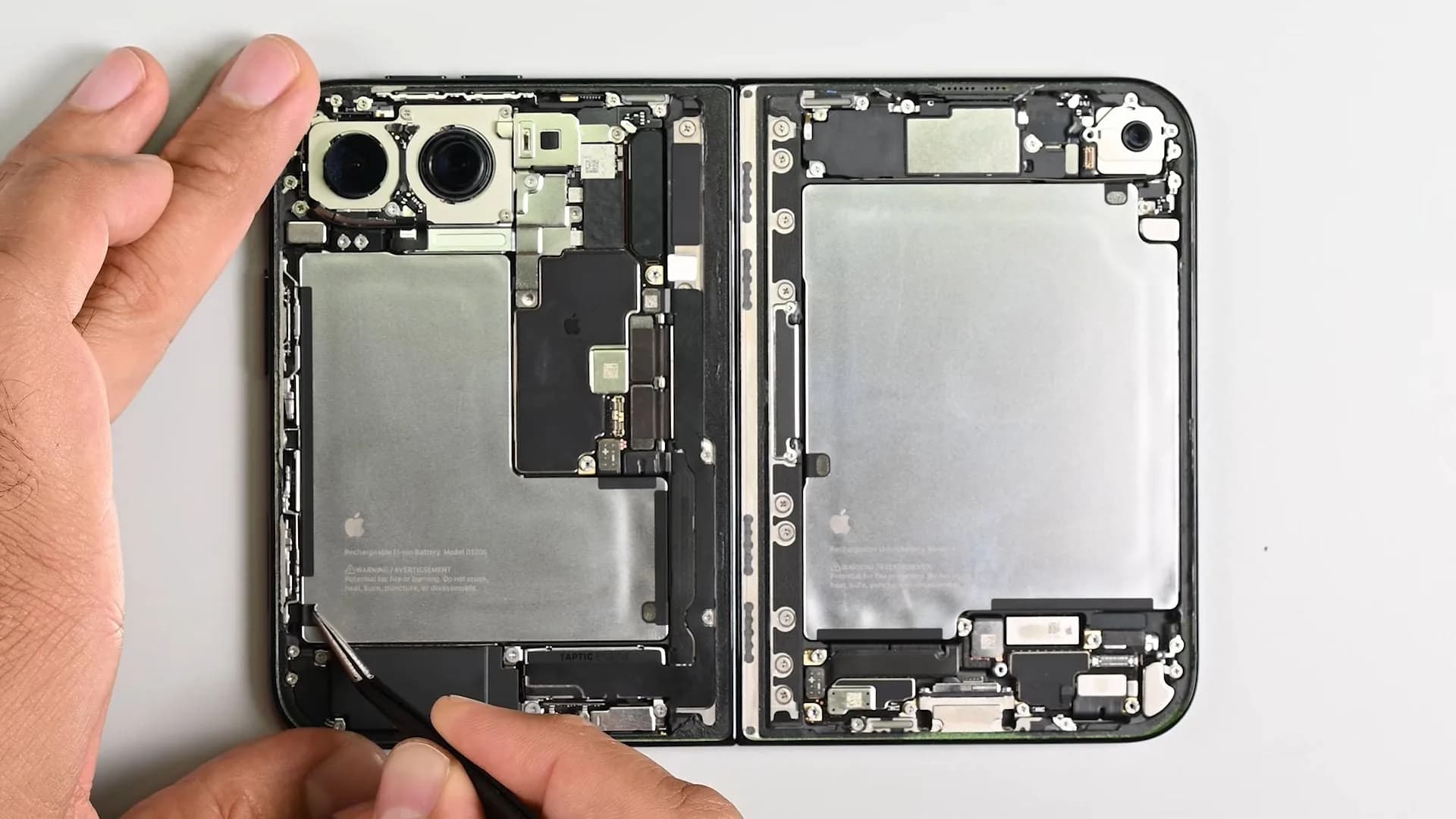
Apple has launched the iPhone Duo — its first foldable phone, and priced it at $1,899 in the US and Rs 1,99,900 in India. It goes on sale Friday, October 13, with deliveries starting October 20. The device arrives nearly a month after its September 9 unveiling, and just as Samsung’s Galaxy Z Fold 8 enters its second full quarter on shelves.
That timing matters: Apple isn’t entering an empty category. It’s stepping into one Samsung has dominated for nine years. And where software maturity now matches hardware durability. The iPhone Duo is not a reboot of the foldable market.
It’s a new entrant in a race already well underway. Its launch price puts it $200 above the Galaxy Z Fold 8’s US launch price of $1,699, and Rs 30,000 more than Samsung’s current Indian MRP of Rs 1,69,999. That premium reflects Apple’s stated ambition: to engineer hardware and software “together,” not around each other.
CEO John Ternus said the iPhone Duo “redefines what it means to use a foldable phone.” But SamMobile notes that line doesn’t quite land against Samsung’s latest model. The Galaxy Z Fold 8 ships with eight generations of One UI refinements. Split-screen multitasking, App Pair, cover-display continuity, and durability tested across millions of real-world folds.
Its software no longer treats the inner and outer screens as separate entities tacked together. It still doesn’t track screen time per display, a gap SamMobile calls “low-hanging fruit”. But that’s a detail, not a flaw. Apple’s advantage is integration.
Its disadvantage is breadth. IOS on the iPhone Duo hasn’t yet absorbed the lived-in edge cases that Samsung’s foldable software has, things like app resizing across hinge transitions, notification handoff from cover to main screen, or how keyboard behavior adapts when unfolding mid-typing. Those aren’t theoretical problems. They’re the ones users report, developers patch, and OS teams prioritize.
Only after mass deployment. So while the iPhone Duo may ship with polished animations and tight system-level continuity, it won’t ship with the depth of fold-specific tooling Samsung has shipped since 2019. There’s no App Pair equivalent announced. No cover-display quick actions beyond basic notifications.
No multi-active window management beyond two apps side-by-side. That doesn’t mean the iPhone Duo will feel broken. It means it will feel new, in the way early iPhones did before third-party apps matured, or early MacBooks did before Thunderbolt peripherals flooded the market. What changes next depends less on specs and more on adoption: how quickly developers adapt their apps for dual-screen iOS, how fast Apple rolls out hinge-aware features based on real usage data, and whether users treat the iPhone Duo as a pocketable tablet replacement.
Or as a very expensive, very fragile experiment. Pre-orders open Friday. First units ship Sunday.
MDFiled by The Mobile Desk
Phones from leak to launch to price cut: what was announced, what it costs where, and when it goes on sale. Indian launches and prices included, not appended.
More from this desk →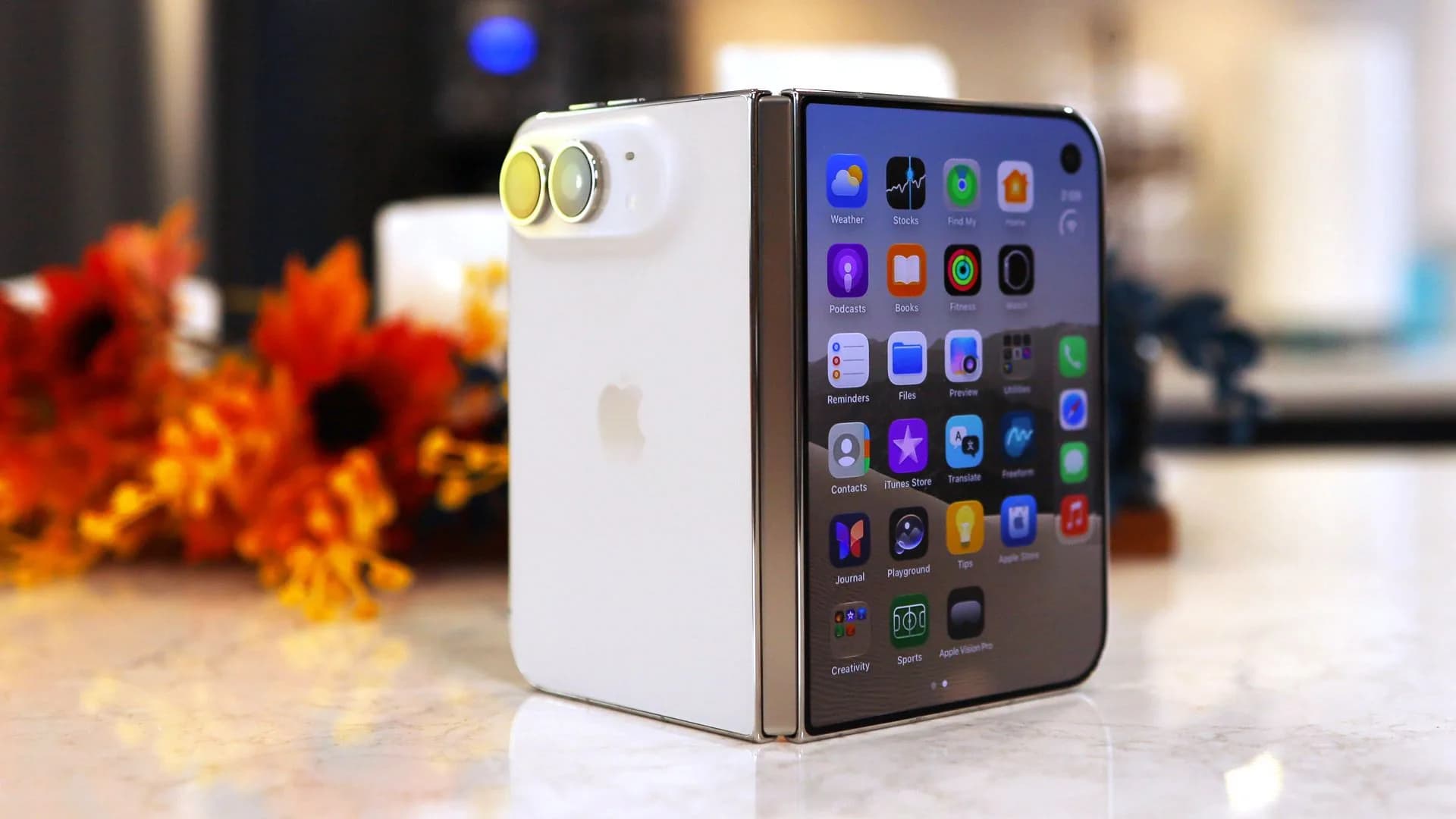
Be the first to comment
Join the argument. No password, just your email or a passkey.