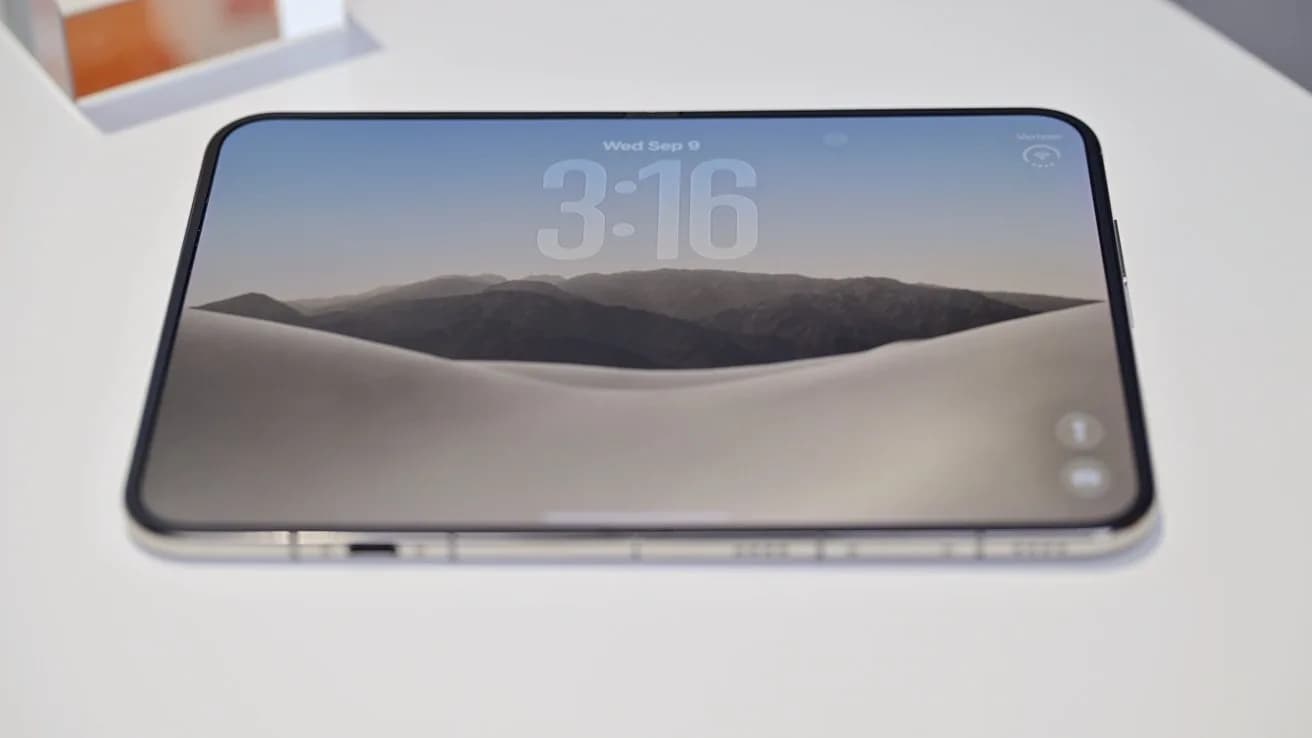
Apple has confirmed the iPhone Duo’s thermal architecture — not as a leak, not as a rumor, but in a direct engineering interview with PCMag. The challenge was fundamental: how to cool a device powerful enough to run desktop-class silicon inside a foldable smartphone thin enough to close flat. Dan Murray, Apple’s VP of silicon engineering, and Banafsheh Barabadi, senior manager of thermal product design, walked through the four interlocking solutions, what they call the ‘four pillars’ of heat management. That make the iPhone Duo physically possible. First, the A20 Pro chip abandons package-on-package (POP) stacking, the vertical sandwich of processor and memory used in earlier iPhones. Instead, DRAM is placed beside the processor in a wafer-level multichip module (WMCM) layout. That shift borrows spatial logic from MacBook Pro designs, where internal volume allows separation without sacrificing bandwidth. Second, ‘metal over foam’ creates a thermally and mechanically compliant coupling between chip and vapor chamber. A material system Apple says took months to perfect. Third, the vapor chamber itself is now three times larger than the one in the iPhone 17 Pro, holds more de-ionized water, and doubles as the device’s central structural plane: both battery and logic board mount directly to it. Fourth, the foldable display’s backplate uses a nanotube copper plate layered with high-conductivity graphite, not just for rigidity, but to spread heat across the surface and eliminate hotspots. Even the hinge contributes: a flexible graphite pipe runs through it, thermally linking the two halves and expanding total dissipation area. Barabadi called the chamber ‘the central structural plane for the device’. The engineers stressed that none of these work alone. Only together do they ‘meaningfully improve thermal performance across every metric’. No pricing, no India or US launch date, no availability window is disclosed. The iPhone Duo remains unannounced. What’s confirmed is how Apple solved the problem, not whether it ships.
iPhone Duo Thermal Design Confirmed: A20 Pro, Vapor Chamber, Graphite Hinge Pipe
No specs. No price. No launch date. But Apple just laid out exactly how it solved the biggest problem holding back the iPhone Duo.
By Spec Sheet
The Mobile Desk · (3 hours ago)
Reported from
How this story was made
Written by the Hitechreports desk from the reporting credited above, with facts attributed to their original publishers. We do not test devices ourselves; anything about performance, battery life or cameras comes from the outlets that did. Prices are as reported at the time of writing. Editorial policy · Report an error
Filed by The Mobile Desk
Phones from leak to launch to price cut: what was announced, what it costs where, and when it goes on sale. Indian launches and prices included, not appended.
More from this desk →Read next
More Smartphones →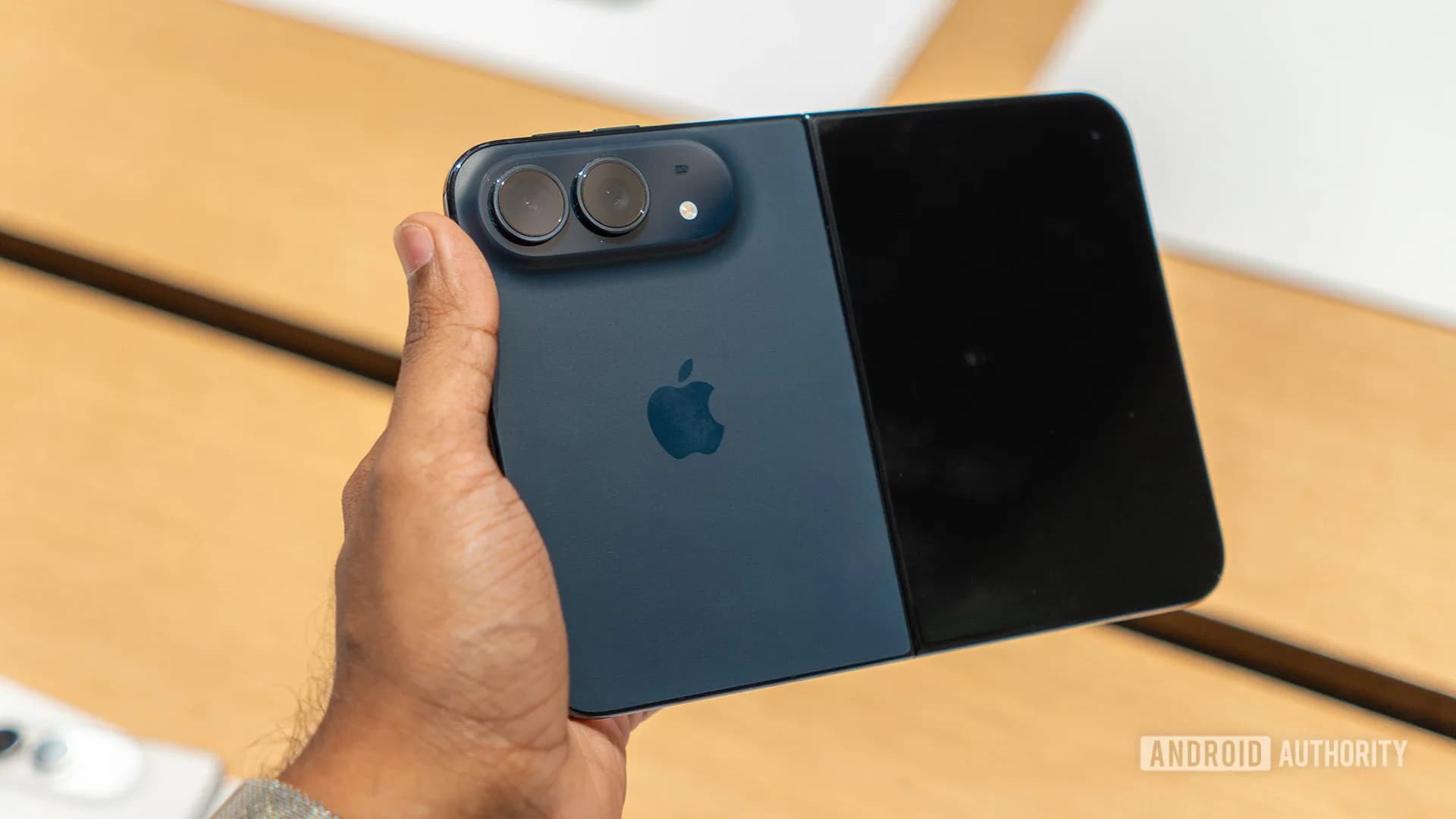
iPhone Duo pre-order starts this week: $2,000 foldable drops to $600 on AT&T
Apple’s iPhone Duo is now officially up for pre-order — and AT&T has already dropped its first deals. The $2,000 foldable starts at $800 with a qualifying trade-in...

iPhone Duo Price, Specs, Release Date and Deals: Everything We Know
Apple's first foldable, the iPhone Duo, starts at $1,999 in the US with pre-orders opening October 16 and sales beginning October 23; no Indian price has been confirmed.
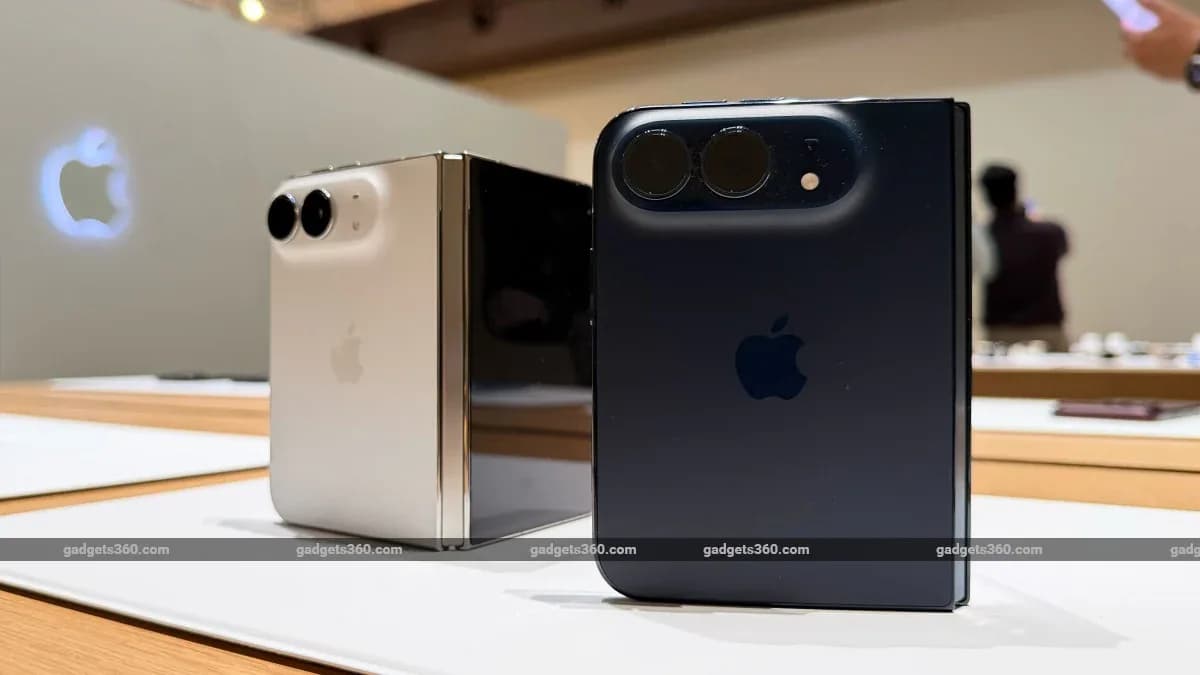
iPhone Duo in India: No price, no date, no plan
Apple is sending hundreds of iPhone Duo demo units to US flagship stores for hands-on display ahead of the October 23 sale — but India gets no mention, no pricing, and no confirmed launch plan.
Be the first to comment
Join the argument. No password, just your email or a passkey.