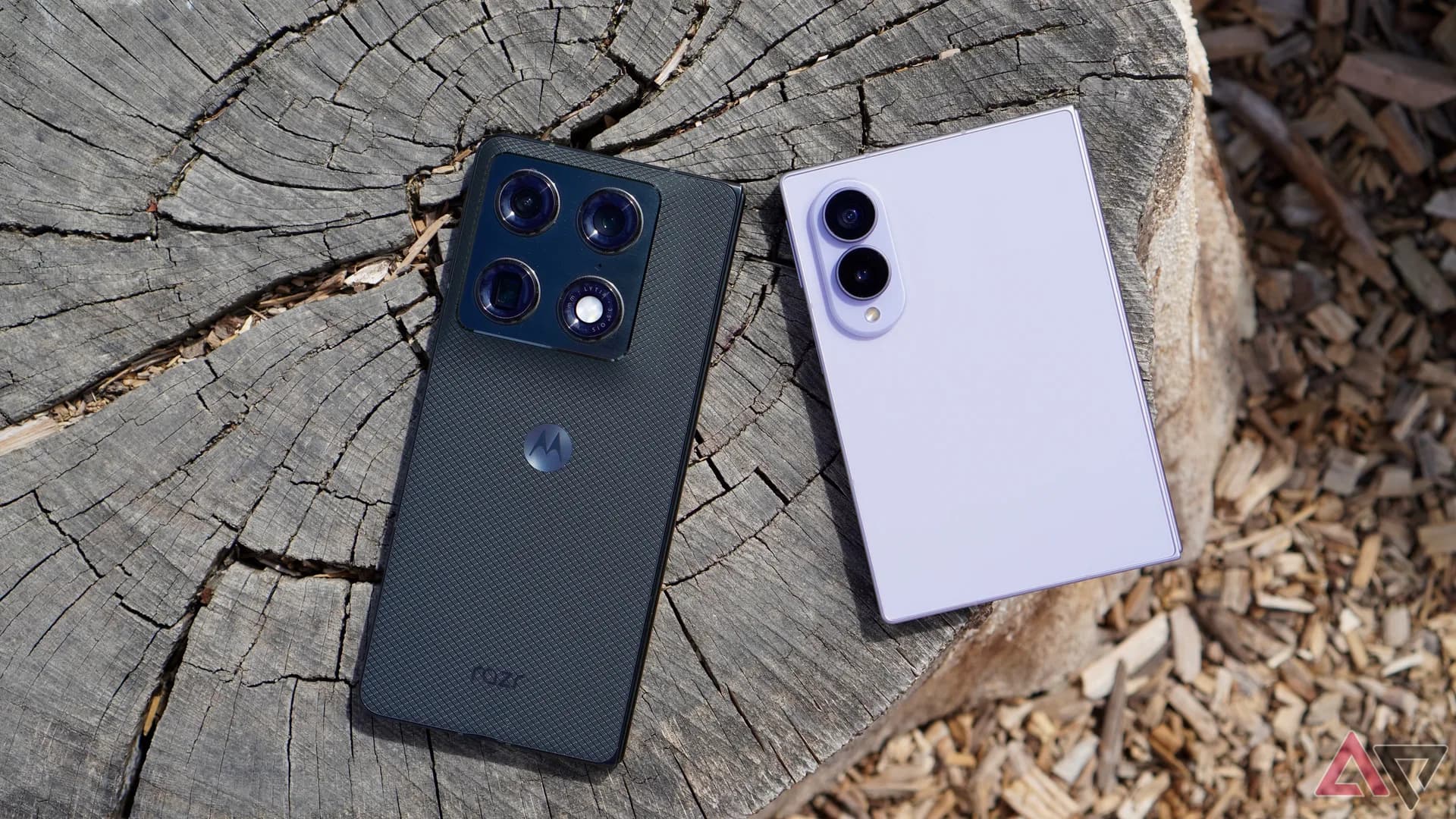
The iPhone Duo and Galaxy Z Fold 8 launched without optical telephoto lenses. So did the Xiaomi 18 Fold — wait, no. It did launch with one: a Leica-engineered 50MP, f/2.8 periscope at 80mm (3.3x), with OIS and usable output up to 96x (2300mm). That single hardware decision reshapes the entire camera hierarchy among 2026’s flagship foldables.
And it’s not a minor detail. It’s the reason Xiaomi’s shots of La Brasseria’s awning show individual threads while Apple and Samsung blur them into watercolor mush, even at just 4x. The comparison isn’t academic. It’s baked into real-world use: midday sun over Dubai Marina, blue hour reflections on black water, neon-lit signage under concrete bridges.
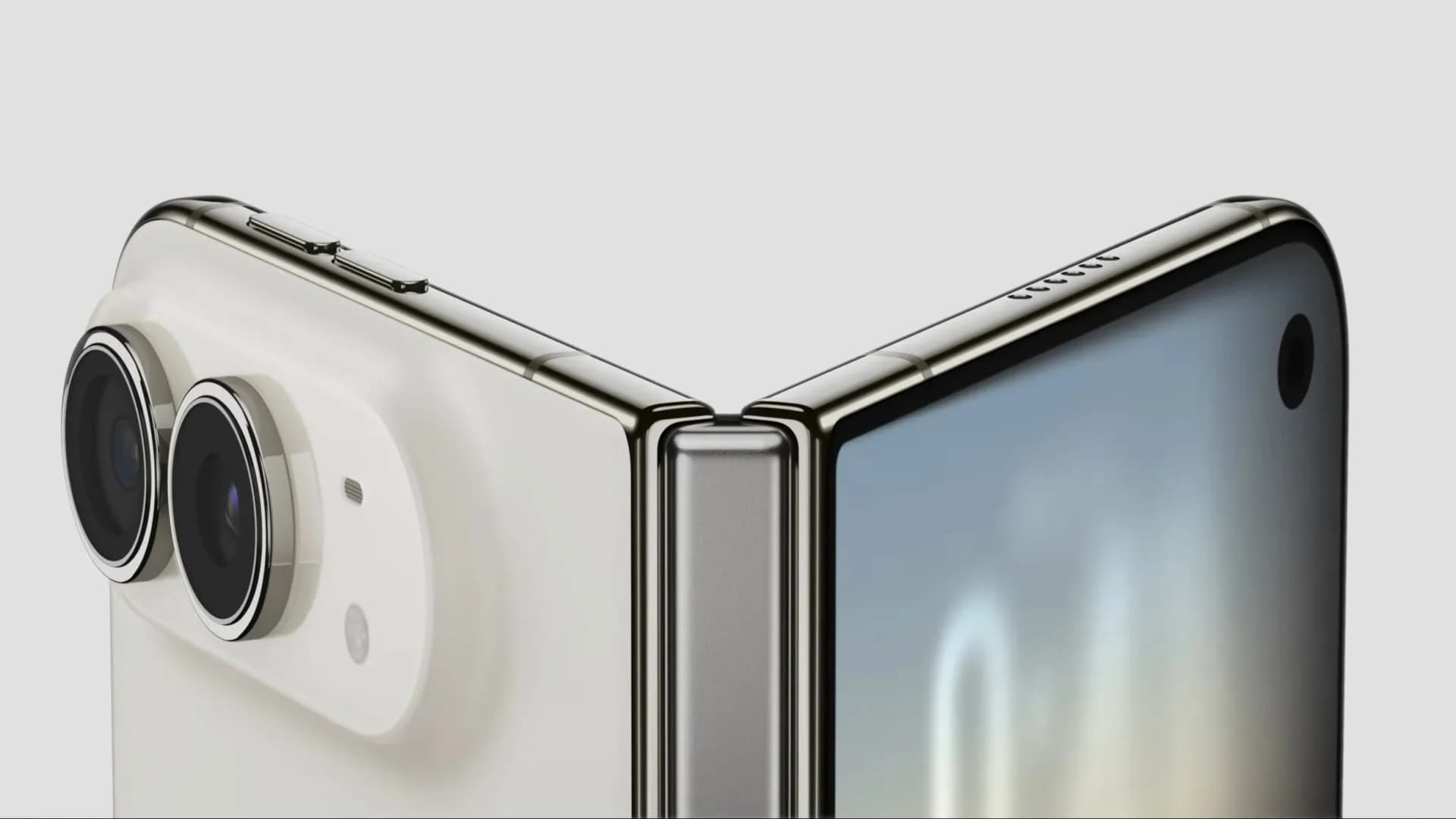
All three phones take excellent photos at 1x. But zoom, especially beyond 3x, is where philosophy becomes physics. Neither the iPhone Duo nor the Galaxy Z Fold 8 includes a dedicated telephoto sensor. Both rely on high-resolution main-sensor crops: the iPhone Duo uses its 48MP wide for tighter framing up to 11x (263mm).
The Galaxy Z Fold 8 leans on AI reconstruction up to 9.6x (230mm). That works, until it doesn’t. At ~4x, the iPhone Duo actually beats Samsung on lettering clarity and architectural slats. At ~10x, Samsung’s AI sharpens lines better than Apple’s softening crop. But both are chasing Xiaomi’s 3.3x periscope, which delivers optical-grade resolution at 6.7x (160mm) and 9.6x (230mm), then keeps going to 29x, 58x, and 96x.
There’s also the ultrawide gap. Samsung’s 13mm (0.5x) and Apple’s 14mm (0.6x) capture dramatically more scene than Xiaomi’s 17mm (0.7x), which cuts entire skyscrapers out of frames like Pier 7. And the main lenses differ too: iPhone Duo shoots at 26mm, Galaxy Z Fold 8 and Xiaomi 18 Fold at 23mm, meaning Apple’s default framing is noticeably tighter.
Color science diverges sharply. Xiaomi’s Leica Vibrant profile warms red hulls and gold latticework without blowing out silver towers. Samsung pushes cooler tones and aggressive contrast, darkening signage, flattening shadows. Apple balances exposure across the frame, trading sky saturation for shadow legibility.
In extreme dynamic range tests, like shooting from under a concrete bridge into midday sun, the iPhone Duo’s HDR handles shaded arches best. Samsung crushes shadows. Xiaomi lands in between. Night performance splits along similar lines.
Xiaomi drops to 1/20s exposure at ISO 400 for rich contrast and deep water reflections. Apple and Samsung meter differently, but neither matches Xiaomi’s ability to resolve fine texture in low light at distance, thanks to glass, not guesswork. This isn’t about who has the “best” camera. It’s about trade-offs made explicit: Apple and Samsung prioritized thinness, weight, and dual-camera simplicity in a passport-sized form.
Xiaomi accepted a thicker hinge and denser internal layout to fit a full triple array, including a periscope that changes what “zoom” means on a foldable. The price? Not disclosed in the reporting. Availability?
Also unmentioned. What is clear: if you care about zoom on a foldable, the choice just got simpler, and it’s not between Apple and Samsung.
MDFiled by The Mobile Desk
Phones from leak to launch to price cut: what was announced, what it costs where, and when it goes on sale. Indian launches and prices included, not appended.
More from this desk →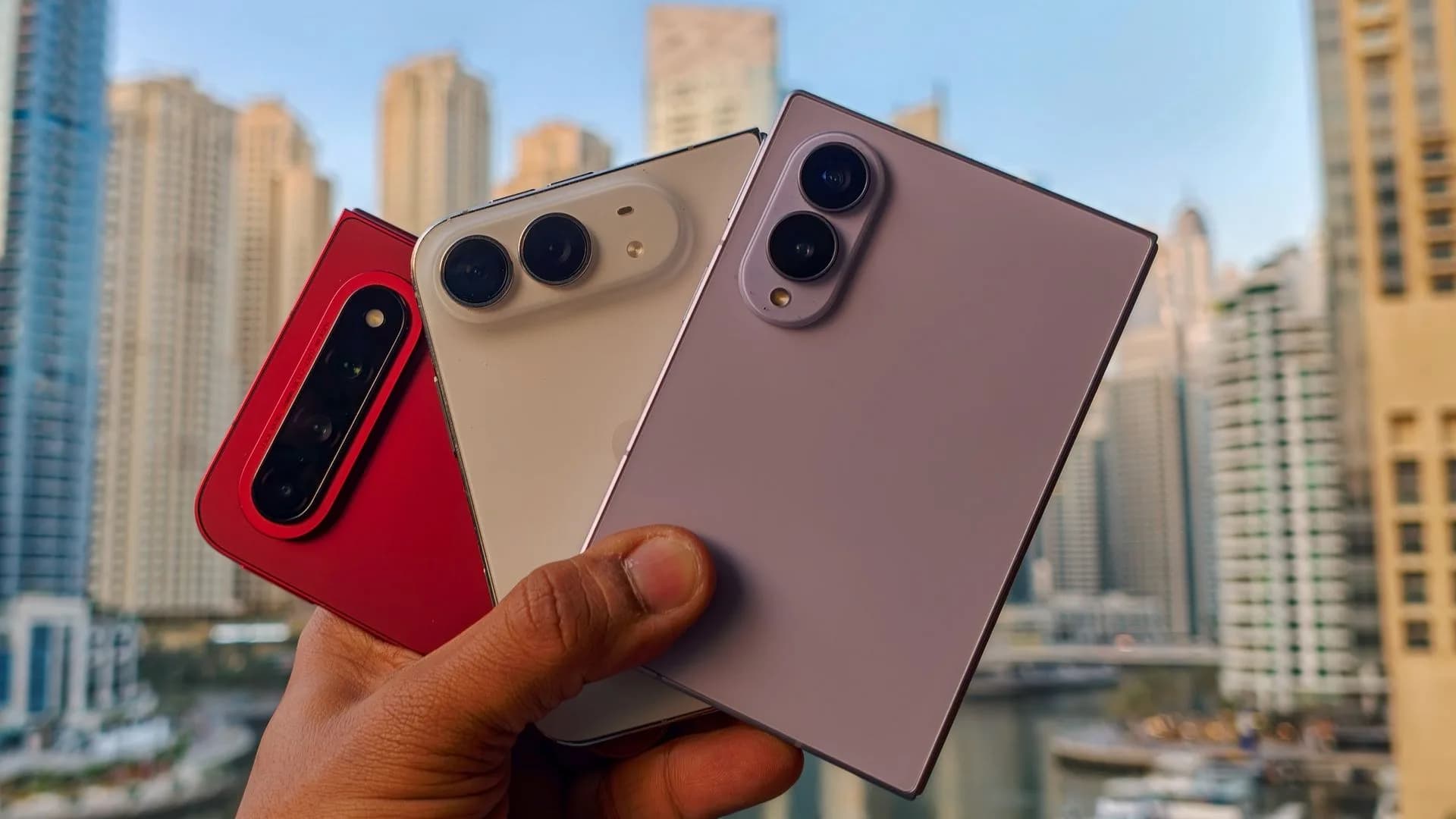
Be the first to comment
Join the argument. No password, just your email or a passkey.