Two Snapdragon flagships are drawing direct comparison this week, and the specs make clear they're built for different buyers rather than a straight rematch.
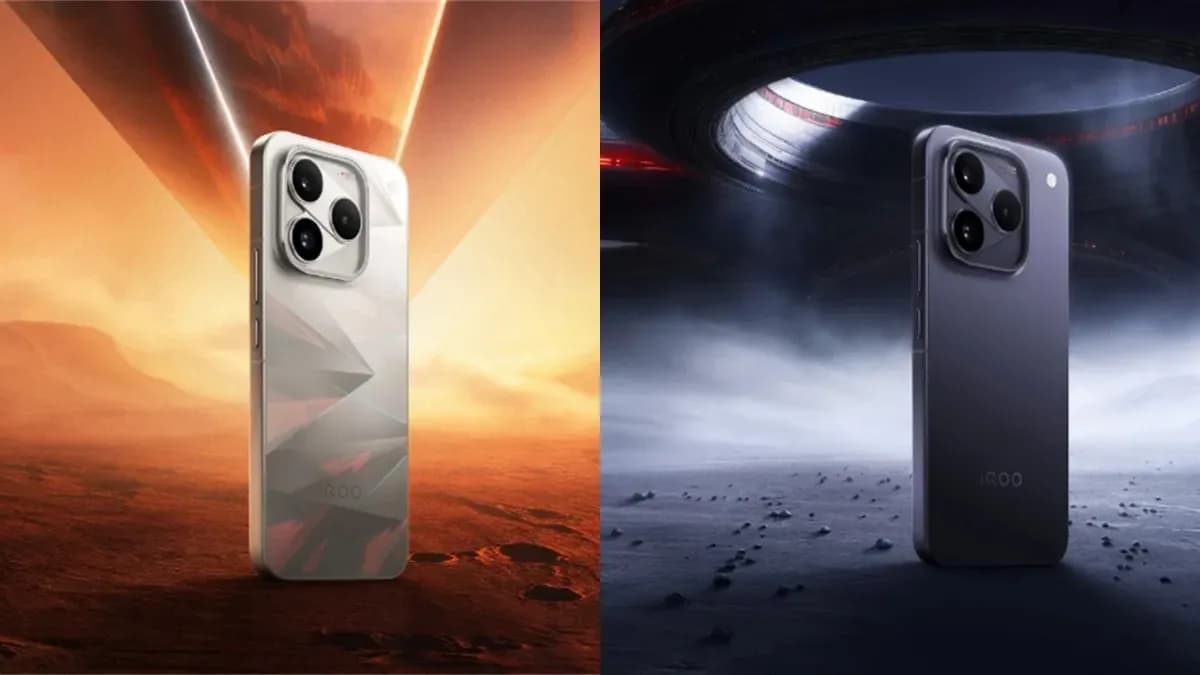
The iQOO 16 runs Android 17 on OriginOS 7 with a Snapdragon 8 Elite Extreme Gen 6 chipset and an Adreno 850 GPU, the higher-tier silicon of the two phones. The Xiaomi 18 Pro uses the standard Snapdragon 8 Elite Gen 6 and runs HyperOS 4 on Android 17. Both top out at 16GB of RAM, UFS 4.1 storage and 1TB configurations, so the gap between them will come down to cooling and software tuning rather than raw ceiling.
Display and design
IQOO's phone carries a 6.85-inch AMOLED panel at 1440p with a 165Hz refresh rate, Dolby Vision and HDR10+, a spec sheet built for competitive gaming. Xiaomi goes smaller and more efficient with a 6.4-inch LTPO AMOLED screen that tops out at 120Hz but claims 4,000 nits of peak brightness, with adaptive refresh meant to save battery during everyday use.
On build, the iQOO 16 pairs an aluminum frame with a glass-fiber reinforced plastic or glass back depending on variant, and carries IP68/IP69 ratings against dust, submersion and high-pressure water jets. The Xiaomi 18 Pro uses Dragon Crystal Glass 3 on the front with an aluminum frame and IP68 protection, and adds a secondary rear display that lets owners check notifications or frame shots using the rear cameras, a feature the iQOO doesn't try to match.
Battery and charging
The iQOO 16 packs an 8,400mAh silicon-carbon battery with 100W wired charging, 40W wireless charging and bypass charging, which routes power directly to the phone during supported gaming sessions instead of cycling through the battery. The Xiaomi 18 Pro carries a smaller 7,000mAh cell but charges wirelessly at 50W, and adds 27W reverse wireless charging so it can top up accessories or another phone. IQOO's capacity edge should matter more to anyone running long gaming sessions away from an outlet, while Xiaomi's faster wireless speeds favor people who top up more often in shorter bursts.
Cameras
This is where the two phones diverge hardest. The Xiaomi 18 Pro's main camera system is built around a 200MP sensor with optical image stabilization and Leica tuning, paired with a 200MP periscope telephoto offering 3.2x optical zoom and a 50MP ultrawide with autofocus, plus laser autofocus and a color spectrum sensor. It also shoots 4K video at up to 120fps with HDR and LOG options. The iQOO 16 takes a more conventional triple-camera route: a 50MP stabilized main sensor, a 50MP periscope telephoto at 3x zoom and a 50MP autofocus ultrawide. Up front, Xiaomi's 50MP autofocus selfie camera outresolves iQOO's 32MP shooter, and its rear display lets users frame selfies with the higher-resolution rear cameras instead.
Neither company has published pricing or availability for either phone in the US or Indian markets, so for now this is a spec-sheet matchup rather than a buying decision. Actual image quality, thermal throttling under sustained load and real-world battery life will need independent testing once units reach reviewers, something neither phone has had yet.
MDFiled by The Mobile Desk
Phones from leak to launch to price cut: what was announced, what it costs where, and when it goes on sale. Indian launches and prices included, not appended.
More from this desk →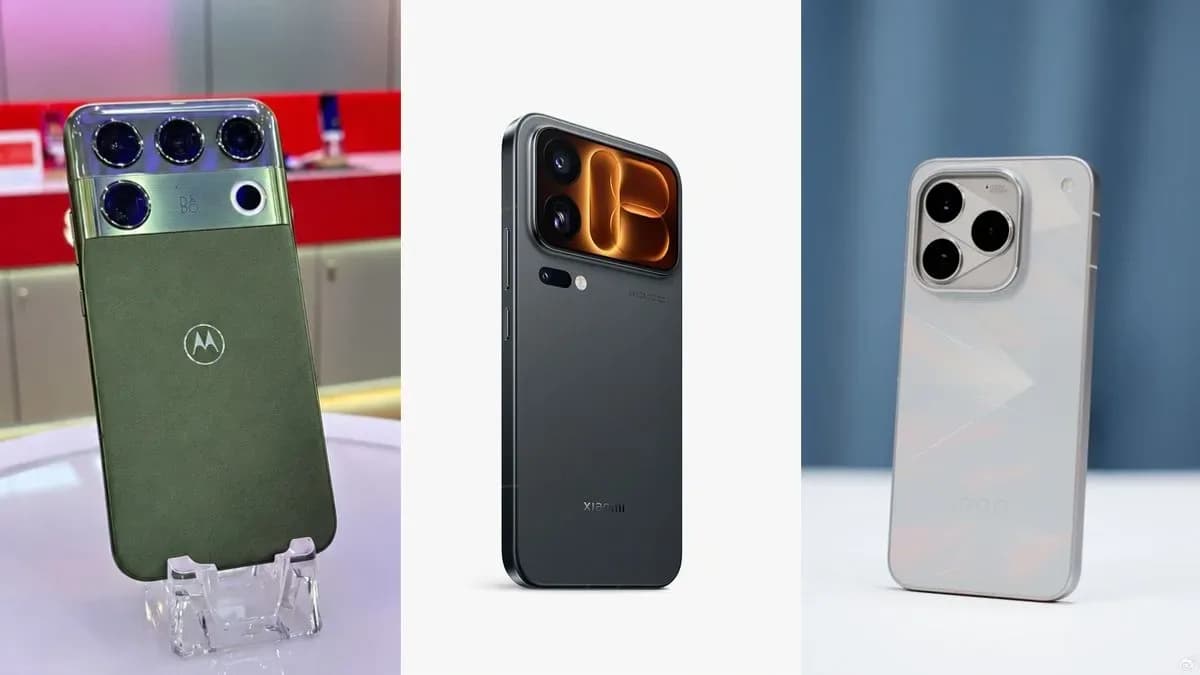
Be the first to comment
Join the argument. No password, just your email or a passkey.